Bhutan Delegation Visits UPSC to Study India’s Examination Management and Technology Systems
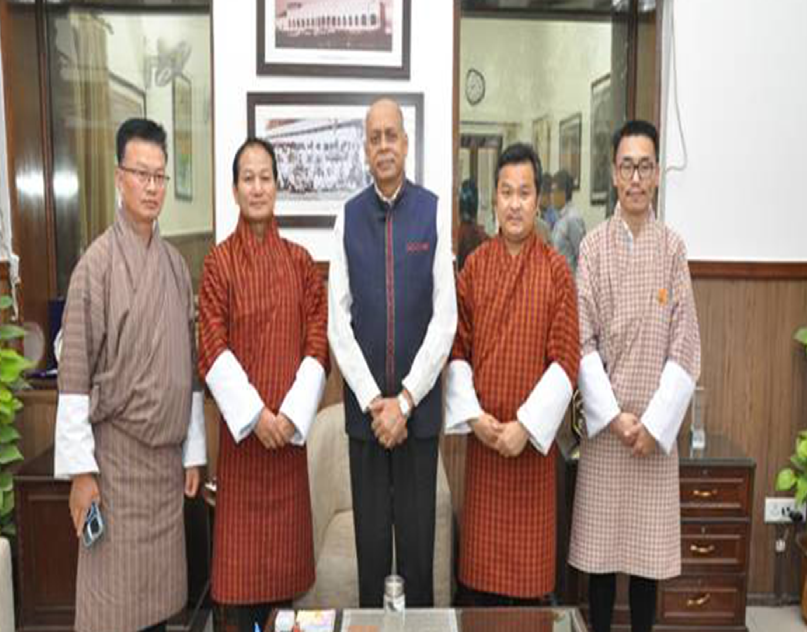
In an increasingly interconnected governance landscape, the recent visit of a Bhutanese delegation to India’s Union Public Service Commission (UPSC) reflects a growing emphasis on cross-border institutional learning. A three-member delegation from Bhutan’s Royal Civil Service Commission (RCSC) travelled to New Delhi to gain insights into the UPSC’s examination management system. The visit highlights Bhutan’s intent to strengthen its civil service recruitment processes by studying one of the world’s most rigorous and transparent examination frameworks.
Understanding a Complex Examination Ecosystem
During the visit, UPSC officials presented a comprehensive overview of their examination cycle, encompassing planning, execution, and evaluation. The Commission conducts large-scale examinations across India, managing vast candidate volumes while maintaining uniform standards. The Bhutanese delegation examined how logistical coordination, candidate management, and administrative precision come together to ensure fairness and consistency across diverse regions.
Technology at the Core of Transparency
A key area of interest for the visiting officials was the UPSC’s integration of technology into its operations. The Commission has adopted advanced digital solutions to enhance efficiency and maintain the integrity of examinations. From secure application processing systems to digital monitoring mechanisms, these tools have significantly reduced the scope for errors and malpractice.
Particular attention was given to Aadhaar-based authentication systems and face-matching technologies that verify candidate identity. These measures ensure that impersonation is minimised and that only genuine candidates participate in the examination process, thereby reinforcing trust in the system.
Role of Artificial Intelligence in Examination Management
The delegation was also introduced to the role of artificial intelligence in streamlining UPSC’s operations. AI-enabled systems are increasingly used to manage large datasets, improve evaluation accuracy, and support administrative functions. Such innovations not only expedite processes but also enhance reliability, demonstrating how modern governance can benefit from technological advancement.
Expanding Opportunities Through Innovation
One of the notable initiatives discussed during the visit was the ‘Pratibha Setu’ portal. This platform enables access to a pool of qualified candidates who may not have secured final selection but possess significant potential. By connecting these candidates with employers, the initiative extends opportunities beyond government recruitment and promotes broader talent utilisation. The Bhutanese delegation expressed interest in exploring similar models within their own administrative ecosystem.
Exchange of Ideas and Best Practices
The interaction between the Bhutanese officials and UPSC representatives facilitated a meaningful exchange of ideas. Discussions centred on best practices in examination management, candidate facilitation, and maintaining transparency. The delegation gained valuable insights into the systems that underpin the UPSC’s reputation as a credible and efficient recruitment body.
Experiencing the System First-Hand
In addition to formal discussions, the delegation visited a UPSC examination centre and the Commission’s museum. These visits provided a practical understanding of operational processes and offered a glimpse into the institution’s legacy. Observing the system in action allowed the delegates to appreciate the scale and discipline required to conduct such examinations seamlessly.
Strengthening Bilateral Cooperation
The visit also signifies a broader commitment to strengthening ties between India and Bhutan in the domain of public administration. Ongoing discussions regarding the renewal of a Memorandum of Understanding (MoU) between the UPSC and Bhutan’s RCSC indicate a long-term vision for collaboration. Such partnerships are instrumental in fostering mutual growth and capacity-building.
Relevance in a Changing Governance Landscape
As public service recruitment evolves to meet contemporary challenges, the importance of robust, transparent, and technology-driven systems becomes increasingly evident. The UPSC’s model offers valuable lessons for countries seeking to modernise their examination frameworks while maintaining fairness and credibility.
A Shared Vision for Excellence
The Bhutan delegation’s visit underscores the value of knowledge-sharing in strengthening governance systems. By learning from India’s experience, Bhutan aims to refine its own processes in alignment with global standards. The engagement highlights a shared commitment to excellence, transparency, and institutional integrity - principles that remain central to effective public administration.
In essence, this exchange is not merely an observational exercise but a meaningful step towards building resilient and future-ready examination systems.