Indian Army Nursing Assistant Recruitment 2026: Apply Online Before April 1 Deadline
A Pathway to Service: Understanding the Indian Army Nursing Assistant Recruitment 2026
In a nation where public service continues to command deep respect and aspiration, the latest recruitment drive by the Indian Army for Nursing Assistant positions offers a compelling opportunity for young aspirants seeking to combine medical service with military discipline. The announcement regarding the commencement of registrations for the 2026 recruitment cycle, alongside the impending application deadline of April 1, signals both urgency and promise for candidates across the country.
Beyond its immediate procedural relevance, this recruitment drive represents a broader narrative: the convergence of healthcare expertise and national defence, and the evolving role of technically skilled personnel within the armed forces.
The Significance of the Nursing Assistant Role
The position of a Nursing Assistant within the Indian Army occupies a distinctive and indispensable niche. Unlike conventional medical roles confined to civilian hospitals, this position demands adaptability, resilience, and the ability to function in high-pressure environments.
Nursing Assistants serve as the backbone of military healthcare support, assisting doctors, managing patient care, and ensuring medical readiness in both peacetime and operational scenarios. Whether stationed in field hospitals, remote outposts, or specialised units, they contribute directly to the wellbeing of soldiers, often under challenging conditions.
The inclusion of Nursing Assistant Veterinary roles further underscores the Army’s holistic approach to care, extending medical attention to animals that play crucial roles in logistics, security, and combat support.
Registration Timeline and Application Framework
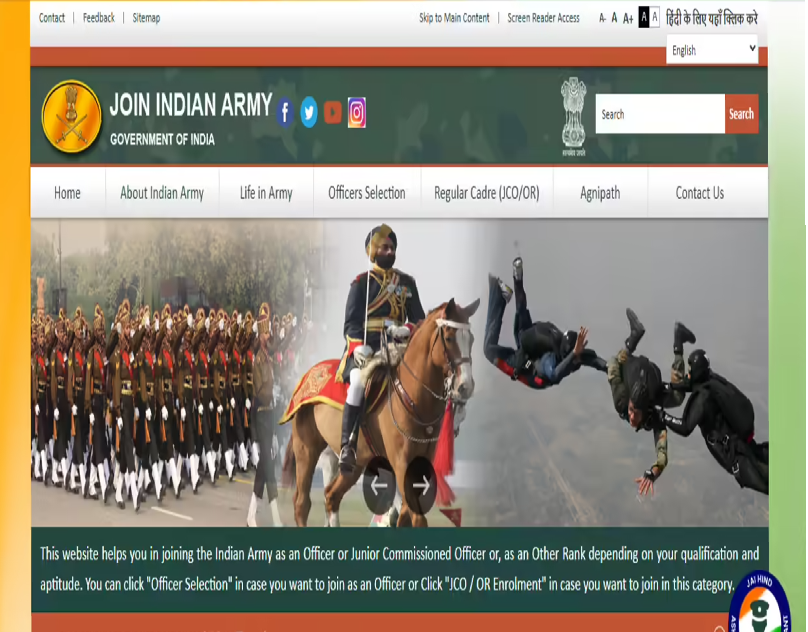
The recruitment process for 2026 has been formally set in motion, with online registrations already underway through the Army’s official recruitment portal. Candidates are required to complete their applications before the stipulated deadline of April 1, 2026.
The digitalisation of the application process reflects a broader shift towards transparency and accessibility in defence recruitment. Prospective candidates from diverse geographical regions can now participate without the constraints of physical submission processes, thereby widening the pool of applicants.
The timeline itself is both structured and demanding, requiring candidates to act promptly while ensuring that all eligibility conditions are met and documentation is accurately submitted.
Eligibility Criteria: Balancing Academic and Physical Standards
The eligibility requirements for the Nursing Assistant role illustrate the Army’s emphasis on a balanced profile, one that integrates academic competence with physical fitness.
Candidates are typically expected to have completed their 10+2 education in the science stream, with subjects such as Physics, Chemistry, Biology, and English forming the academic foundation.
This requirement reflects the technical nature of the role, which necessitates a sound understanding of basic medical and scientific principles.
Age criteria further define the applicant pool, generally encompassing individuals between approximately 17.5 and 23 years.
This range aligns with the Army’s broader recruitment framework, ensuring that candidates possess both the maturity and physical capability required for training and service.
In addition to academic qualifications, candidates must meet prescribed physical standards, including parameters related to height, weight, and overall fitness. These criteria are not merely procedural but essential, given the demanding environments in which Army personnel operate.
The Selection Process: A Multi-Stage Evaluation
The recruitment process is designed to assess candidates comprehensively, combining intellectual aptitude with physical endurance and medical fitness.
Typically, the selection framework includes:
- A Common Entrance Examination (CEE) to evaluate academic proficiency
- Physical fitness tests to assess stamina and strength
- Medical examinations to ensure overall health and suitability for service
This multi-tiered approach ensures that only those candidates who demonstrate excellence across multiple dimensions are selected. It also reinforces the Army’s commitment to maintaining high standards of recruitment.
Opportunities Across Recruiting Zones
One of the defining features of this recruitment drive is its nationwide scope. Positions are being offered across various Army recruiting zones, enabling candidates from different regions to participate in the process.
This decentralised approach not only enhances accessibility but also ensures regional representation within the armed forces. It reflects a broader ethos of inclusivity, wherein talent is recognised and nurtured irrespective of geographical origin.
A Career Beyond Employment
For many aspirants, a position in the Indian Army transcends the conventional notion of employment. It is, instead, a vocation, an opportunity to serve the nation while pursuing personal and professional growth.
The Nursing Assistant role, in particular, offers a unique blend of medical training and military discipline. Candidates gain exposure to structured learning environments, advanced healthcare practices, and the values of teamwork, leadership, and resilience.
Moreover, the experience acquired in such roles often translates into diverse career opportunities, both within and beyond the armed forces. The skills developed ranging from clinical competence to crisis management are highly transferable and valued across sectors.
The Broader Context: Military Modernisation and Skill Integration
The recruitment drive must also be viewed within the larger context of the Indian Army’s ongoing modernisation efforts. As warfare and defence strategies evolve, there is an increasing emphasis on specialised skills, particularly in areas such as healthcare, technology, and logistics.
By recruiting Nursing Assistants and related technical personnel, the Army is strengthening its internal capabilities and ensuring that its human resources are aligned with contemporary requirements.
This shift reflects a recognition that modern defence is not solely about combat readiness but also about sustaining the health, morale, and operational efficiency of personnel.
Challenges and Aspirations for Candidates
While the opportunity is undoubtedly attractive, the path to selection is highly competitive. Candidates must navigate a rigorous process, often balancing preparation with academic or personal commitments.
Success in this endeavour requires not only academic diligence but also physical training, mental resilience, and a clear understanding of the role’s demands. Aspirants must approach the process with discipline, preparation, and a sense of purpose.
At the same time, the recruitment drive serves as a reminder of the vast potential within India’s youth, a reservoir of talent that, when channelled effectively, can contribute significantly to national development.
The Importance of Timely Application
Given the strict application deadline of April 1, 2026, timely action is imperative.
Candidates are advised to carefully review the eligibility criteria, gather necessary documents, and complete the application process well in advance of the closing date.
Attention to detail is crucial, as errors or omissions in the application may result in disqualification. The emphasis on accuracy and preparedness mirrors the discipline expected within the Army itself.
Conclusion
The Indian Army Nursing Assistant Recruitment 2026 stands as a testament to the enduring appeal of service-oriented careers in India. It offers young individuals an opportunity to combine professional ambition with national duty, to acquire specialised skills while contributing to a larger cause.
As the application window progresses towards its closure, the initiative serves both as an invitation and a challenge, an invitation to step forward and serve, and a challenge to meet the exacting standards that such service demands.
In the final analysis, this recruitment drive is not merely about filling positions; it is about shaping individuals who embody the values of dedication, competence, and resilience. For those willing to embrace this path, it promises not only a career, but a calling, one defined by service, discipline, and an unwavering commitment to the nation.