Kerala Cancels SSLC, Plus Two Exams for Gulf Students
Kerala Cancels SSLC and Plus Two Exams for Gulf Students: A Pragmatic Response to Crisis
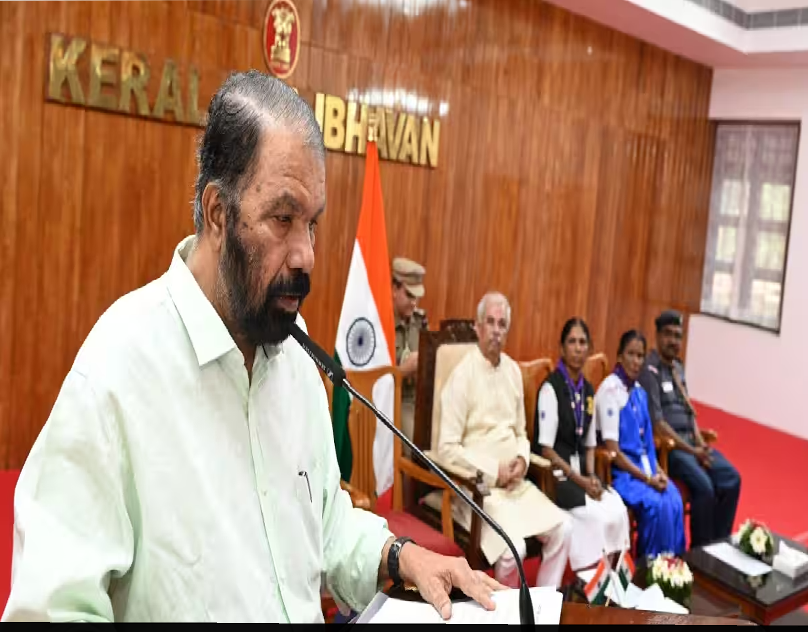
In an unprecedented yet necessary move, the Kerala government has cancelled the SSLC (Class 10) and Plus Two (Class 12) examinations for its students in Gulf countries, citing the ongoing conflict in West Asia. Announced by General Education Minister V Sivankutty, the decision reflects a sensitive and pragmatic approach to an evolving geopolitical situation that has disrupted the academic calendar for hundreds of students.
At a time when stability and access to education remain deeply intertwined, the government’s response underscores a broader commitment to safeguarding students’ academic progression, even amid circumstances beyond institutional control.
Context Behind the Decision
The cancellation comes in the wake of escalating tensions in parts of West Asia, which have rendered it difficult for schools in the Gulf region to function normally. With safety concerns mounting and logistical constraints intensifying, conducting examinations in a fair and standardised manner became increasingly unfeasible.
For Kerala, which operates several examination centres in Gulf countries to accommodate expatriate students, the disruption posed a significant administrative challenge. While examinations within the state proceeded as scheduled, those abroad faced unavoidable delays and uncertainties.
Recognising the gravity of the situation, authorities opted for a decisive intervention rather than prolonging ambiguity for affected students.
Who Is Affected?
The decision impacts over 1,200 students, including approximately 633 SSLC candidates and 592 Plus Two students who were scheduled to appear for their board examinations in the Gulf region.
These students, many of whom are children of Indian expatriates, found themselves unable to attend examinations due to the prevailing conditions. In addition, provisions have been extended to students who had travelled to the Gulf from Kerala and were subsequently stranded, ensuring that they are not academically disadvantaged.
However, eligibility for such considerations is subject to verification. Students must present valid documentation, including hall tickets, passports, and visas, which will be authenticated by school authorities.
Alternative Evaluation Framework
With examinations cancelled, the Kerala government has introduced a carefully structured alternative evaluation system designed to maintain academic integrity while offering relief to students.
For SSLC candidates, results will be computed based on performance in model examinations or term assessments, supplemented by a specified percentage of grace marks.
In the case of Plus Two students, the evaluation process takes a slightly different approach. Marks obtained in the first year (Plus One) will be carried forward and combined with Continuous Evaluation (CE) scores and practical marks from the second year.
This dual-layered methodology ensures that students are assessed on a comprehensive record of their academic performance rather than a single high-stakes examination.
Ensuring Fairness and Academic Continuity
A key concern in such scenarios is maintaining fairness while adopting alternative assessment methods. The Kerala government has attempted to strike this balance by relying on existing academic records, which provide a credible measure of student performance over time.
Moreover, the inclusion of grace marks acknowledges the exceptional circumstances under which students have been operating. It serves as a buffer against any inconsistencies that may arise due to disrupted learning environments.
Importantly, students who are dissatisfied with their computed results will have the opportunity to appear for improvement examinations at a later stage. This provision ensures that academic mobility and merit-based progression are not compromised.
Timeline for Results
Despite the disruption, the government has maintained a clear timeline for result announcements. SSLC results are expected to be declared in the third week of May, while Plus Two results are likely to be released by May 25. This adherence to a defined schedule is crucial, as it allows students to plan their next academic steps without undue delay. Whether pursuing higher secondary education or transitioning to university-level studies, timely results play a pivotal role in shaping future opportunities.
Strengthening the Continuous Assessment System
Beyond immediate relief measures, the announcement also highlighted the need for systemic improvements in the continuous assessment framework. Minister Sivankutty acknowledged concerns regarding inconsistencies in how internal assessments are conducted across schools.
To address these issues, the government plans to strengthen the grievance redressal mechanism and enhance transparency. Schools will be required to display assessment scores publicly, enabling students and parents to review and verify them.
Additionally, school-level monitoring committees will be tasked with examining complaints and ensuring that evaluation practices align with established guidelines.
Additional Academic Support Initiatives
In a parallel development, the government has introduced a study support programme aimed at students in Classes 5 to 9 who have scored below 30 per cent in written examinations. Scheduled to run from April 20 to 27, 2026, the initiative seeks to provide targeted academic assistance and improve foundational learning outcomes. Following the programme, special examinations will be conducted at the school level, after which promotion lists will be finalised. This measure reflects a broader educational strategy that goes beyond immediate crisis management, focusing instead on long-term academic resilience.
A Broader Perspective on Crisis Management in Education
The Kerala government’s decision must be viewed within the larger context of how education systems respond to disruptions. Whether caused by geopolitical conflicts, natural disasters, or public health emergencies, such events test the adaptability and responsiveness of academic institutions. By opting for cancellation coupled with a robust evaluation framework, Kerala has prioritised student welfare without compromising academic standards. The approach aligns with global trends, where flexibility and innovation are increasingly seen as essential components of effective educational governance.
Implications for Students and Stakeholders
For students, the decision brings a sense of relief and clarity after a period of uncertainty. It eliminates the stress associated with postponed or rescheduled examinations and provides a definitive pathway for academic progression.
For educators and administrators, the challenge lies in implementing the alternative evaluation system with consistency and transparency. Ensuring that assessments are fair and accurately reflect student capabilities will be critical to maintaining trust in the system.
Parents, too, play a vital role in this ecosystem. Their understanding and support are essential as students navigate this unconventional academic cycle.
Conclusion
The cancellation of SSLC and Two examinations for Kerala students in the Gulf is a testament to the state’s adaptive and student-centric approach to education. Faced with extraordinary circumstances, the government has demonstrated both decisiveness and empathy, crafting a solution that balances practicality with fairness. While the situation underscores the vulnerabilities inherent in globalised education systems, it also highlights the potential for responsive governance to mitigate such challenges effectively. As students await their results and prepare for the next phase of their academic journey, this episode serves as a reminder that education is not merely about examinations but about resilience, adaptability, and the pursuit of equitable opportunities for all.