IIM Bangalore to Host Aviation and Aerospace Conference on April 18, Focus on Innovation
IIMB to Host Aviation, Aerospace Conference on April 18: Exploring the Future of Flight and Innovation
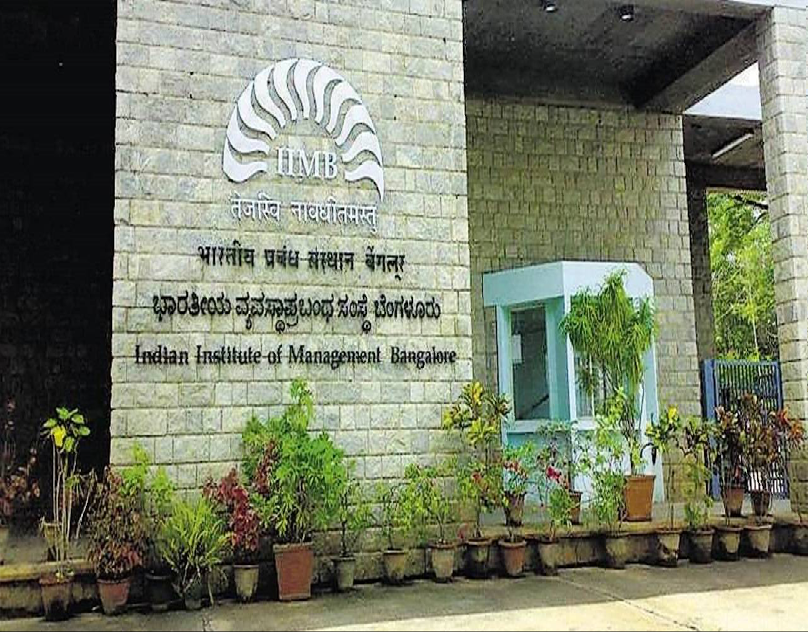
In an era where aviation and aerospace are rapidly redefining the contours of global connectivity and technological advancement, the forthcoming conference hosted by the Indian Institute of Management Bangalore (IIMB) on April 18 assumes considerable significance. Positioned at the intersection of academia, industry, and policy, the event is set to convene an influential cohort of stakeholders to deliberate on the future trajectory of these dynamic sectors. Organised as part of the International Conference on the Future of Aviation and Aerospace (FOAA), the event reflects IIMB’s growing role as a facilitator of high-level dialogue on critical industries shaping both national and global economies. The 2026 edition marks yet another step in this ongoing effort to bridge knowledge, innovation and practice.
A Convergence of Expertise and Vision
The conference is expected to bring together a diverse assembly of participants, including industry leaders, policymakers, academicians, and researchers. Such gatherings are not merely ceremonial; they serve as intellectual crucibles where ideas are exchanged, challenged and refined.
At its core, the FOAA conference is designed to foster meaningful engagement between stakeholders who operate across different layers of the aviation and aerospace ecosystem. From regulatory frameworks to cutting-edge technological developments, the breadth of discussions reflects the complexity and interconnectedness of the sector.
The presence of global experts further enhances the scope of the conference, allowing for cross-border perspectives that are essential in an industry inherently international in nature.
Focus Areas: Innovation, Sustainability, and Policy
One of the defining features of the conference is its emphasis on forward-looking themes. Discussions are expected to centre on innovation-driven growth, sustainable aviation practices and evolving policy frameworks that govern the industry.
Sustainability, in particular, has emerged as a pressing concern. With increasing awareness of environmental impact, the aviation sector is under mounting pressure to adopt greener technologies and reduce carbon emissions. Conferences such as this provide a platform to explore viable pathways, including the adoption of alternative fuels, advancements in aircraft design and improvements in operational efficiency.
Equally important is the role of policy in shaping industry outcomes. Regulatory frameworks must strike a delicate balance between enabling innovation and ensuring safety and compliance. By bringing policymakers into the conversation, the conference facilitates a holistic approach to sectoral development.
India’s Emerging Role in the Global Aerospace Landscape
India’s position in the global aviation and aerospace ecosystem has evolved significantly in recent years. With a rapidly expanding domestic aviation market and increasing investments in aerospace manufacturing, the country is poised to play a more prominent role on the world stage.
The conference will likely explore how India can leverage its strengths, ranging from a skilled workforce to a robust technological base, to become a key player in global supply chains.
Previous editions of the FOAA have highlighted opportunities in areas such as aircraft design, manufacturing, and emerging technologies like drones and electric vertical take-off and landing (eVTOL) systems. These themes are expected to remain central to discussions in 2026, reflecting the sector’s ongoing transformation.
The Role of Academia in Industry Transformation
Institutions like IIM Bangalore play a pivotal role in shaping industry discourse by providing a neutral and intellectually rigorous platform for dialogue. Unlike purely commercial or governmental forums, academic conferences offer the advantage of analytical depth and interdisciplinary perspectives.
Through its Executive Education programmes, IIMB has consistently demonstrated its commitment to engaging with real-world challenges. The FOAA conference exemplifies this approach, bringing together theoretical insights and practical experiences to address complex industry issues.
Moreover, such events serve as valuable learning opportunities for students and early-career professionals, who gain exposure to industry trends and expert perspectives.
Networking and Knowledge Exchange
Beyond formal sessions and panel discussions, the conference offers significant opportunities for networking and collaboration. In sectors as intricate as aviation and aerospace, relationships and partnerships often play a crucial role in driving innovation and growth.
Participants can engage in meaningful interactions, explore potential collaborations, and gain insights into emerging opportunities. This exchange of ideas is particularly valuable in a rapidly evolving landscape where adaptability and innovation are key to success.
The informal dimensions of the conference, conversations during breaks and discussions after sessions, often yield insights that are as impactful as the formal proceedings.
Technological Advancements Shaping the Sector
The aviation and aerospace industries are undergoing a period of unprecedented technological transformation. From artificial intelligence and data analytics to advanced materials and autonomous systems, innovation is redefining how these sectors operate.
The conference is expected to delve into these developments, examining their implications for efficiency, safety and competitiveness. For instance, the integration of AI in predictive maintenance and flight operations has the potential to significantly enhance operational reliability.
Similarly, advancements in manufacturing technologies, such as additive manufacturing, are opening new possibilities for design and production. These innovations not only improve performance but also contribute to cost efficiency and sustainability.
Addressing Challenges and Opportunities
While the sector presents immense opportunities, it is not without its challenges. Issues such as supply chain disruptions, regulatory complexities and skill gaps continue to pose significant hurdles. The conference provides a platform to address these challenges through collaborative dialogue. By bringing together stakeholders from different domains, it encourages the development of comprehensive solutions that consider multiple perspectives. At the same time, the event highlights the vast opportunities that lie ahead. From expanding passenger traffic to increasing demand for cargo services and defence capabilities, the scope for growth remains substantial.
Global Context and Strategic Importance
The aviation and aerospace sectors are integral to global economic development, facilitating trade, connectivity, and technological progress. As such, discussions at the conference are likely to extend beyond national boundaries, considering global trends and geopolitical dynamics. In a world marked by rapid change, the ability to anticipate and respond to emerging challenges is critical. Conferences like FOAA play an essential role in shaping strategic thinking, enabling stakeholders to navigate uncertainty with greater confidence.
Building a Future-Ready Ecosystem
A recurring theme in such forums is the need to build a future-ready ecosystem, one that is resilient, innovative, and inclusive. This involves not only technological advancements but also investments in human capital, infrastructure and policy frameworks. Education and skill development are particularly crucial. As the industry evolves, there is a growing demand for specialised skills that align with emerging technologies. Academic institutions, therefore, have a vital role to play in preparing the workforce of the future.
Conclusion
The upcoming aviation and aerospace conference at IIM Bangalore represents more than a gathering of experts; it is a reflection of the sector’s dynamic evolution and the collaborative effort required to shape its future. By focusing on innovation, sustainability, and strategic alignment, the event underscores the importance of dialogue in addressing complex challenges and unlocking new opportunities. It reinforces the idea that progress in such a multifaceted industry is best achieved through collective insight and shared vision. As stakeholders converge on April 18, the discussions that unfold are likely to influence not only immediate strategies but also the long-term trajectory of aviation and aerospace. In doing so, the conference reaffirms its role as a vital platform for thought leadership and transformative ideas in one of the world’s most critical industries.