NCERT Makes Physical Education Mandatory with Khel Praveen for Classes 3 to 10 Across India Students
NCERT Introduces ‘Khel Praveen’: Redefining Physical Education and Making It Mandatory from Classes 3 to 10
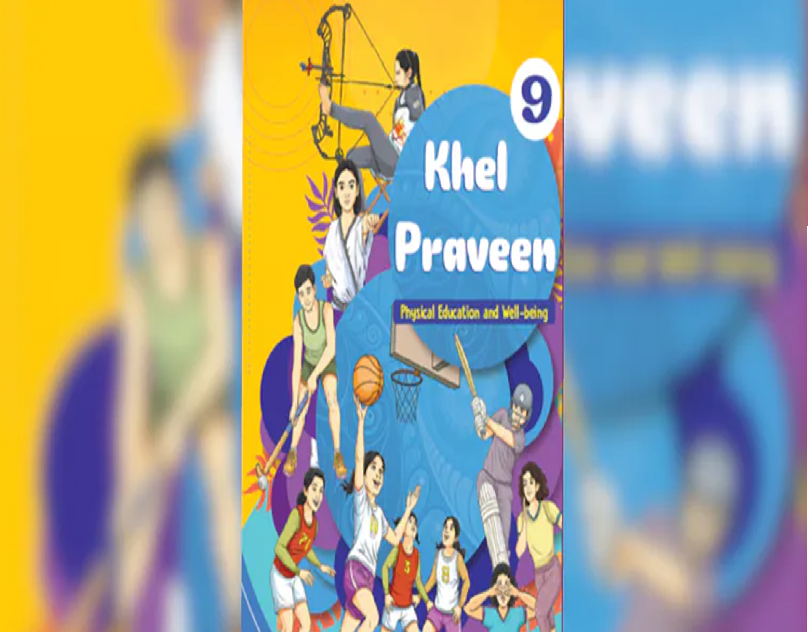
In a significant and forward-looking reform in India’s school education landscape, the National Council of Educational Research and Training has introduced a new Class 9 textbook titled Khel Praveen, alongside a sweeping policy shift that makes physical education compulsory for students from Classes 3 to 10. This development marks a decisive departure from conventional perceptions of physical education as a peripheral or non-evaluative subject, repositioning it as an integral component of holistic learning. At a time when education systems worldwide are re-evaluating the balance between academic rigour and student well-being, this initiative reflects a deeper understanding of the role that physical, emotional and social health play in shaping young learners. The introduction of Khel Praveen is not merely the addition of a new textbook; it is emblematic of a broader pedagogical transformation that seeks to redefine how students engage with physical activity, wellness and life skills.
A Paradigm Shift in School Education
For decades, physical education in Indian schools has often been treated as a supplementary activity, limited to occasional sports periods or annual events. The decision to make it mandatory across Classes 3 to 10 signals a fundamental shift in this approach. It elevates physical education to the same level of importance as academic subjects, ensuring that students across all age groups receive structured and consistent exposure to fitness and sports.
The introduction of Khel Praveen aligns with this vision by offering a comprehensive framework that integrates theory, practice and experiential learning. It reimagines physical education not as a set of drills or exercises, but as a multidisciplinary subject that encompasses science, culture, ethics and personal development.
This shift is particularly significant in the context of contemporary challenges such as sedentary lifestyles, increased screen time and rising concerns about mental health among students. By embedding physical education into the core curriculum, NCERT seeks to address these issues proactively, fostering healthier habits from an early age.
From Drills to Holistic Learning
One of the most striking aspects of Khel Praveen is its departure from traditional methodologies. Earlier approaches to physical education often focused on repetitive drills, fitness tests and basic sports activities. In contrast, the new textbook adopts a holistic framework that emphasises understanding, reflection and application.
Students are introduced to the science of movement, gaining insights into how the human body functions during physical activity. They are encouraged to set personal fitness goals, monitor their progress and develop a deeper awareness of their own well-being.
The curriculum also integrates elements of history and ethics, linking sports to broader cultural and societal contexts. This interdisciplinary approach ensures that students do not merely participate in physical activities but also appreciate their significance and impact.
Yoga is another key component of the new framework, reinforcing the idea of wellness as a balanced integration of physical, mental and emotional health. By incorporating such elements, Khel Praveen expands the scope of physical education beyond exercise, positioning it as a lifelong practice.
A Balanced and Inclusive Assessment Model
The transformation introduced by NCERT extends beyond content to evaluation methods. The assessment structure under Khel Praveen is designed to be balanced, practical and inclusive, reflecting a more comprehensive understanding of student learning.
Students will be evaluated with 40 per cent weightage each for theory and practical components, and 20 per cent for project work. This distribution ensures that equal importance is given to conceptual understanding, physical performance and real-world application.
The theory component covers essential concepts related to fitness, health and sports science, while practical assessments focus on skill development, physical fitness and quality of performance. The inclusion of project work introduces an innovative dimension, encouraging students to engage with their communities and explore real-life applications of their learning.
Projects may involve designing inclusive games, conducting fitness surveys or documenting local sports traditions. Such activities not only enhance practical knowledge but also foster creativity, collaboration and social awareness.
Reviving India’s Indigenous Sporting Heritage
A notable feature of Khel Praveen is its emphasis on indigenous sports and traditional disciplines. Students are introduced to practices such as Mallakhamb, Thang-Ta, Gatka and Kalaripayattu, which reflect India’s rich and diverse sporting heritage.
This inclusion serves multiple purposes. It promotes physical fitness and discipline while also fostering a sense of cultural identity and pride among students. By engaging with traditional sports, learners gain a deeper appreciation of India’s historical and cultural legacy.
Moreover, the integration of indigenous practices into the curriculum ensures that these art forms are preserved and revitalised for future generations. It represents a conscious effort to balance global influences with local traditions, creating a more inclusive and culturally rooted educational framework.
Encouraging Self-Directed and Experiential Learning
Another defining aspect of Khel Praveen is its emphasis on self-directed learning. Students are encouraged to take ownership of their fitness journeys, setting goals, tracking progress and reflecting on their experiences.
This approach aligns with contemporary educational philosophies that prioritise autonomy, critical thinking and personal growth. By empowering students to make informed choices about their health and well-being, the curriculum fosters a sense of responsibility and independence.
Experiential learning plays a central role in this process. Through hands-on activities, projects and community engagement, students gain practical insights that extend beyond the classroom. This not only enhances their understanding but also makes learning more engaging and meaningful.
Expanding Career Awareness in Physical Education
Traditionally, physical education has rarely been associated with career opportunities. However, Khel Praveen seeks to change this perception by highlighting various professional pathways within the field.
Students are introduced to careers in sports science, physiotherapy, coaching, sports management and fitness training. This exposure broadens their horizons, encouraging them to consider diverse career options that align with their interests and abilities.
By integrating career awareness into the curriculum, NCERT ensures that physical education is not viewed as a secondary subject but as a domain with significant academic and professional potential.
Aligning with Broader Educational Reforms
The introduction of Khel Praveen is part of a larger effort to reform and modernise India’s education system. It aligns with the principles of holistic and competency-based learning, which emphasise the development of skills, values and attitudes alongside academic knowledge.
This initiative also reflects the growing recognition of the interconnectedness of physical and mental health. By prioritising well-being, NCERT acknowledges that effective learning cannot occur in isolation from a student’s overall health and environment.
Furthermore, the emphasis on inclusivity ensures that students of varying abilities and backgrounds can participate and benefit from the curriculum. The focus on designing inclusive games and activities highlights the importance of accessibility and equity in education.
Implications for Schools and Educators
The successful implementation of this reform will depend on the active participation of schools and educators. Teachers will play a crucial role in translating the principles of Khel Praveen into practice, guiding students through both theoretical and practical components.
Schools will need to invest in infrastructure, training and resources to support the new curriculum. This may include upgrading sports facilities, organising workshops and integrating technology into physical education.
The shift also calls for a change in mindset among educators and parents, recognising the value of physical education as an essential component of a child’s development.
The Road Ahead
As Khel Praveen is introduced across schools, it is expected to have a far-reaching impact on the educational landscape. By making physical education mandatory and reimagining its scope, NCERT has laid the foundation for a more balanced and holistic approach to learning. In the long term, this initiative has the potential to transform not only individual students but also the broader society. A generation that prioritises health, fitness and well-being is better equipped to navigate the challenges of a rapidly changing world.
Conclusion
The introduction of Khel Praveen and the mandate of physical education from Classes 3 to 10 represent a transformative moment in Indian education. It signifies a shift from a narrow focus on academic achievement to a more comprehensive vision of student development. By integrating science, culture, ethics and experiential learning, NCERT has redefined the role of physical education in schools. The initiative underscores the importance of nurturing not just intellectually capable students, but also physically active, emotionally resilient and socially responsible individuals. As this reform takes root, it promises to reshape the educational experience, ensuring that learning is not confined to classrooms but extends to every aspect of a student’s life.