NIOS ODE Results 2026 Released Online: Students Can Check Scorecards on Official Portal
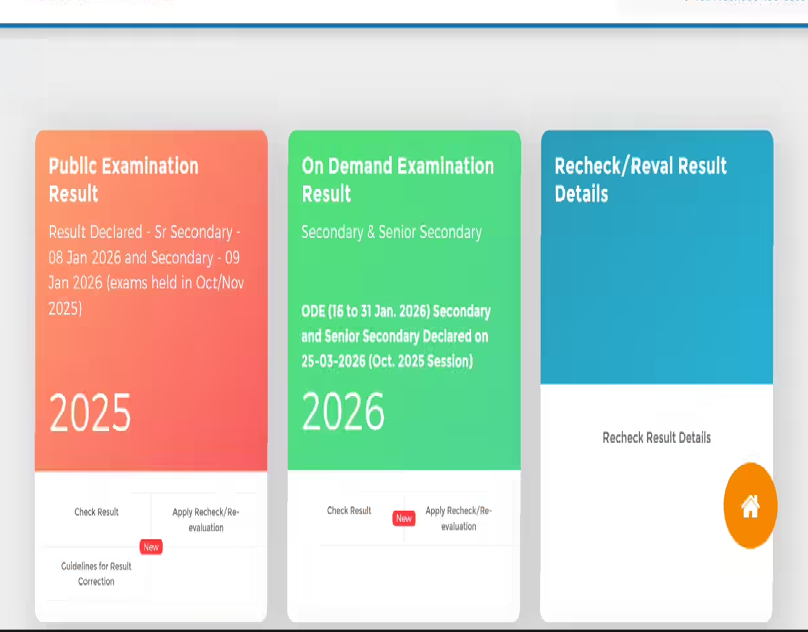
The declaration of the NIOS On-Demand Examination (ODE) Results 2026 marks an important moment for learners across India who have chosen alternative pathways to education. The National Institute of Open Schooling (NIOS), known for its inclusive and flexible approach, has made the results available online through its official portal, enabling candidates to access their performance with ease and immediacy.
At a time when education is increasingly defined by accessibility and adaptability, the ODE system stands as a progressive model. The announcement of the results not only reflects administrative efficiency but also highlights the evolving nature of assessment systems in contemporary education.
Understanding the NIOS ODE Framework
The On-Demand Examination system offered by NIOS is distinct from conventional board examinations. Unlike fixed schedules, ODE allows students to appear for examinations when they feel adequately prepared. This flexibility is particularly beneficial for learners who require a personalised pace of study, whether due to professional commitments, personal circumstances, or diverse learning needs.
The results released for 2026 represent the culmination of this adaptive learning process. Students who appeared for the examinations can now review their performance, assess their strengths, and plan their next academic steps accordingly. The system embodies a learner-centric philosophy, where assessment is aligned with readiness rather than rigid timelines.
Seamless Digital Access to Results
One of the defining features of the NIOS ODE results process is its fully digital interface. Candidates can access their scorecards through the official portal by entering their enrolment number and relevant credentials.
This streamlined approach ensures that students across geographical locations, including those in remote or underserved areas, can obtain their results without logistical challenges. The inclusion of a direct link to the result page further simplifies the process, minimising confusion and enhancing user experience.
In addition to accessibility, the digital format also ensures transparency. Students can view subject-wise marks, overall performance, and qualifying status in a clear and structured manner. The ability to download and retain scorecards provides an added layer of convenience, particularly for those planning further education or employment.
The Significance of Scorecards
The NIOS ODE scorecard is more than a record of marks; it serves as an essential academic document that reflects a student’s progress and capabilities. It includes detailed information such as subject-wise scores, total marks, and qualifying status, offering a comprehensive overview of performance.
For students pursuing higher education or vocational opportunities, this document plays a crucial role in admissions and applications. It is therefore imperative that candidates carefully verify all details and retain copies for future reference.
The emphasis on accuracy is particularly important in the digital age, where documentation often forms the basis for multiple academic and professional processes. Any discrepancies, however minor, can lead to complications if not addressed promptly.
Flexibility as a Defining Feature
The ODE system’s greatest strength lies in its flexibility. Unlike traditional examination boards that adhere to fixed annual or biannual schedules, NIOS conducts on-demand examinations throughout the year. This allows students to choose examination dates based on their preparedness, thereby reducing academic pressure and promoting meaningful learning.
Such an approach is especially beneficial for non-traditional learners, including working professionals, athletes, artists, and individuals returning to education after a gap. It accommodates diverse learning journeys, making education more inclusive and adaptable.
The release of results in this system is equally dynamic. Results are typically announced within a relatively short period after the examination, ensuring that students do not have to endure prolonged waiting times. This responsiveness enhances the overall efficiency of the system.
The Broader Role of NIOS in Education
The National Institute of Open Schooling occupies a unique position within India’s educational framework. Established with the aim of providing accessible education to all, it caters to a wide spectrum of learners, including those who may not thrive in conventional academic environments.
Through its open schooling model, NIOS offers courses at the secondary and senior secondary levels, along with vocational and life-enrichment programmes. Its emphasis on flexibility, inclusivity, and learner autonomy sets it apart from traditional boards.
The ODE system, in particular, exemplifies this philosophy. By allowing students to take control of their learning timelines, it fosters a sense of responsibility and self-discipline - qualities that are essential for lifelong learning.
Navigating the Post-Result Phase
With the results now declared, students enter a crucial phase of reflection and planning. For those who have achieved their desired outcomes, the focus may shift towards higher education or professional pursuits. For others, the results provide an opportunity to identify areas for improvement and prepare for subsequent attempts.
NIOS offers provisions for rechecking and re-evaluation, enabling students to seek clarification or reassessment of their results if required. This ensures that the evaluation process remains transparent and fair.
Additionally, the availability of multiple examination attempts within the ODE framework allows students to improve their performance without the constraints of fixed academic cycles. This reinforces the system’s commitment to continuous learning and improvement.
The Importance of Verification and Documentation
As students access their scorecards, careful verification of details becomes essential. Information such as name, enrolment number, subject codes, and marks must be checked thoroughly to ensure accuracy.
In the event of discrepancies, students are advised to follow the prescribed procedures for correction within the stipulated timeframe. Maintaining accurate records is critical, particularly for those planning to use their results for admissions or employment.
The digital nature of the scorecards also underscores the importance of secure storage. Students should retain both digital and printed copies to safeguard against potential data loss or technical issues.
A Reflection of Evolving Educational Practices
The release of the NIOS ODE Results 2026 is indicative of broader shifts within the education sector. As learning becomes increasingly personalised and technology-driven, traditional models of assessment are being re-evaluated.
The success of systems like ODE demonstrates that flexibility and rigour need not be mutually exclusive. By combining structured evaluation with adaptable timelines, NIOS has created a model that addresses the diverse needs of modern learners.
This approach is particularly relevant in a world where education is no longer confined to classrooms or fixed schedules. Lifelong learning, upskilling, and reskilling have become integral to personal and professional growth, and systems like ODE provide the necessary framework to support these goals.
Looking Ahead
As the education landscape continues to evolve, the role of institutions like NIOS will become increasingly significant. Their ability to innovate and adapt to changing needs positions them as key contributors to the future of education.
The declaration of the ODE results is not merely an administrative milestone; it is a reflection of a system that prioritises accessibility, flexibility, and learner empowerment. For students, it represents both an achievement and an opportunity, a moment to celebrate progress and to envision the next steps in their educational journey.
Conclusion
The release of the NIOS ODE Results 2026 marks a significant achievement for learners across the country. By providing a flexible, accessible, and efficient examination system, NIOS continues to redefine the boundaries of education. As students download their scorecards and reflect on their performance, they do so within a framework that values individual pace, diverse pathways, and continuous growth. In an era where education must adapt to the complexities of modern life, the NIOS ODE system stands as a compelling example of what inclusive and forward-thinking education can achieve.