HPTU ₹76 Crore Budget 2026 Focuses on Research and Skills
Himachal Pradesh Technical University ₹76 Crore Budget for 2026–27: A Strategic Push Towards Research, Innovation and Holistic Education
In a noteworthy development within India’s higher education landscape, Himachal Pradesh Technical University (HPTU), Hamirpur, has approved an annual budget of ₹76.07 crore for the financial year 2026–27. This financial blueprint reflects a forward-looking vision that extends beyond conventional academic priorities, placing strong emphasis on research, innovation, skill development and holistic student growth. The approval of the budget, following detailed deliberations by the Finance Committee and subsequent endorsement by the Board of Directors, signals a strategic shift in how technical education is envisioned in the state. At a time when universities across India are striving to align with global standards, HPTU’s latest budget represents an effort to redefine its institutional priorities and strengthen its academic ecosystem.
A Budget Anchored in Academic Transformation
The ₹76.07 crore allocation is not merely a financial statement; it is a policy direction. The university has explicitly prioritised research, innovation and entrepreneurial development as central pillars of its growth strategy.
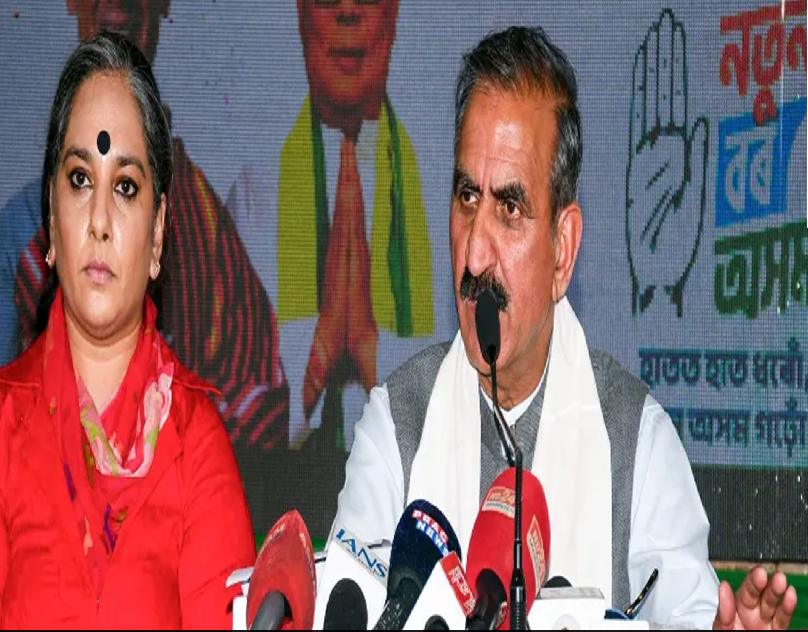
Chief Minister Sukhvinder Singh Sukhu has underscored the importance of moving beyond traditional classroom learning, highlighting the need for practical exposure, industry engagement and skill-based education. This vision aligns with broader national goals of creating a skilled and self-reliant workforce capable of contributing meaningfully to economic development.
In essence, the budget reflects a paradigm shift, from knowledge dissemination to knowledge application, from theoretical instruction to experiential learning.
Strengthening Research and Innovation Infrastructure
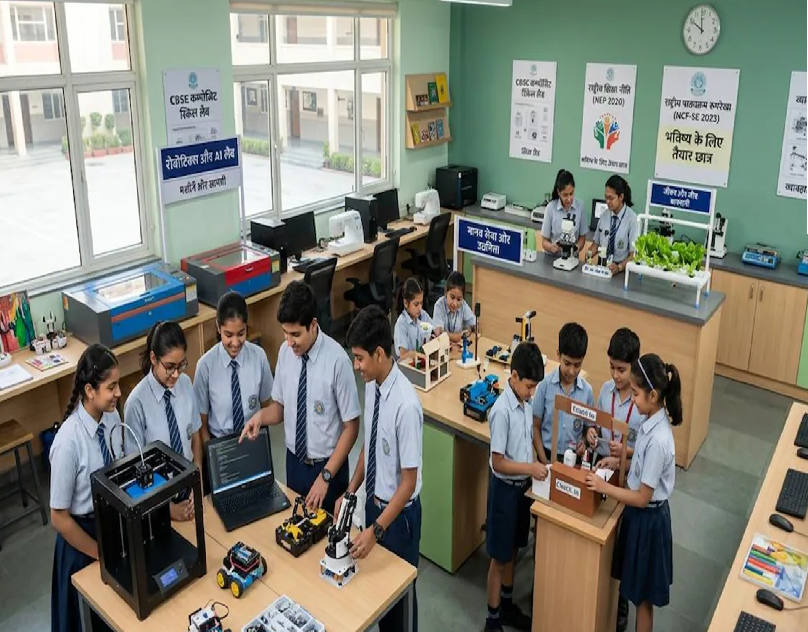
A significant portion of the budget has been earmarked for enhancing research capabilities and infrastructure. Notably, ₹3 crore has been allocated for the development of modern laboratories and technical facilities.
This investment is crucial in enabling students and faculty to engage in advanced research activities. Laboratories equipped with contemporary technology serve as the backbone of any technical institution, facilitating experimentation, innovation and the practical application of theoretical concepts.
In addition, ₹1 crore has been designated for books, e-resources and academic journals. This allocation reflects an understanding of the evolving nature of knowledge consumption, where digital resources play an increasingly vital role in academic and research pursuits.
Together, these measures aim to create a robust academic environment that fosters intellectual curiosity and supports high-quality research output.
Promoting a Research-Oriented Academic Culture
One of the most significant announcements accompanying the budget is the introduction and expansion of PhD programmes across the university and its affiliated institutions.
By strengthening doctoral education, HPTU seeks to cultivate a culture of research and innovation. Doctoral programmes not only contribute to academic advancement but also play a critical role in addressing real-world challenges through applied research.
To further incentivise research supervision, the university has introduced a provision to award ₹50,000 to PhD guides for each completed thesis. This initiative is likely to encourage faculty members to actively mentor research scholars and contribute to the university’s academic output.
Additionally, the proposal to confer honorary PhDs on distinguished individuals highlights an effort to recognise excellence and build stronger connections between academia, industry and society.
Focus on Student Development and Holistic Growth
While research and infrastructure form a core component of the budget, equal emphasis has been placed on student development. Funding for sports and cultural activities has been significantly increased, rising from ₹25 lakh to ₹55 lakh.
This enhancement reflects a broader understanding of education as a holistic process. Universities are not merely centres of academic instruction; they are spaces where students develop leadership skills, creativity and emotional intelligence.
The budget also includes provisions for student clubs, placement initiatives and entrepreneurship development programmes. These initiatives aim to create a vibrant campus environment that nurtures talent and encourages innovation beyond the classroom.
Emphasis on Skill Development and Industry Exposure
In today’s rapidly evolving job market, employability is closely linked to practical skills and industry exposure. Recognising this, HPTU’s budget places strong emphasis on skill-based training and hands-on learning.
The university plans to enhance industrial exposure for students, enabling them to gain real-world experience and develop competencies that are directly relevant to the workplace.
Entrepreneurship development has also been identified as a key focus area. By encouraging students to explore entrepreneurial ventures, the university aims to foster a culture of innovation and self-reliance.
Such initiatives are particularly significant in the context of India’s growing start-up ecosystem, where universities are increasingly playing a pivotal role in nurturing future entrepreneurs.
Aligning with Broader Educational Trends
HPTU’s budgetary priorities reflect broader trends in higher education, both nationally and globally. There is a growing recognition that traditional models of education must evolve to meet the demands of a knowledge-driven economy.
Institutions are increasingly focusing on interdisciplinary learning, research collaboration and industry partnerships. The emphasis on digital resources, research infrastructure and skill development in HPTU’s budget is consistent with these emerging trends.
Moreover, the focus on holistic development aligns with contemporary educational philosophies that view students as well-rounded individuals rather than mere recipients of academic knowledge.
Institutional Governance and Decision-Making
The approval of the budget followed a structured decision-making process involving the Finance Committee and the Board of Directors.
This layered approach ensures that financial decisions are carefully evaluated and aligned with the institution’s long-term objectives. It also reflects a commitment to transparency and accountability in governance.
Vice-Chancellor Abhishek Jain, who chaired the Finance Committee meeting, has played a central role in shaping the university’s strategic direction. His emphasis on innovation, research and student-centric initiatives is evident in the budget’s allocations.
Contextualising the Budget Within State Finances
It is important to view HPTU’s budget within the broader financial context of Himachal Pradesh. The state government has presented an overall budget of ₹54,928 crore for 2026–27, reflecting fiscal challenges and the need for prudent financial management. Within this framework, the allocation of ₹76.07 crore to a single technical university underscores the importance placed on education as a driver of development. It also highlights the government’s commitment to investing in human capital despite fiscal constraints.
Challenges and Implementation Considerations
While the budget sets an ambitious agenda, its success will depend on effective implementation. Allocating funds is only the first step; ensuring that these resources are utilised efficiently is equally critical.
Challenges may arise in areas such as infrastructure development, faculty recruitment and the execution of new programmes. Continuous monitoring, evaluation and stakeholder engagement will be essential to translate budgetary intentions into tangible outcomes.
Furthermore, maintaining a balance between academic excellence and financial sustainability will be crucial in the long term.
Opportunities for Students and Faculty
For students, the new budget opens up a range of opportunities. Enhanced infrastructure, increased funding for extracurricular activities and greater industry exposure are likely to enrich the overall educational experience.
For faculty members, the focus on research and the introduction of incentives for PhD supervision create a conducive environment for academic growth and professional development.
Together, these initiatives have the potential to elevate the university’s academic standing and attract talent from across the country.
A Vision for the Future
The ₹76.07 crore budget is not just about the present; it is a roadmap for the future. By prioritising research, innovation and holistic development, HPTU is positioning itself as a progressive institution capable of adapting to changing educational paradigms.
The emphasis on entrepreneurship and skill development suggests a vision that extends beyond academia, aiming to contribute to economic growth and societal progress.
If implemented effectively, the budget could serve as a model for other state universities seeking to modernise their academic frameworks.
Conclusion
The approval of the ₹76 crore budget by Himachal Pradesh Technical University marks a significant step towards redefining technical education in Himachal Pradesh. With a clear focus on research, infrastructure, student development and industry engagement, the university has laid the foundation for a more dynamic and future-ready academic ecosystem. As higher education continues to evolve, initiatives such as this highlight the importance of strategic investment in knowledge, skills and innovation. For HPTU, the challenge now lies in translating this vision into reality, ensuring that the benefits of the budget are felt across classrooms, laboratories and beyond. In an increasingly competitive educational landscape, such forward-thinking measures are not merely desirable; they are essential.