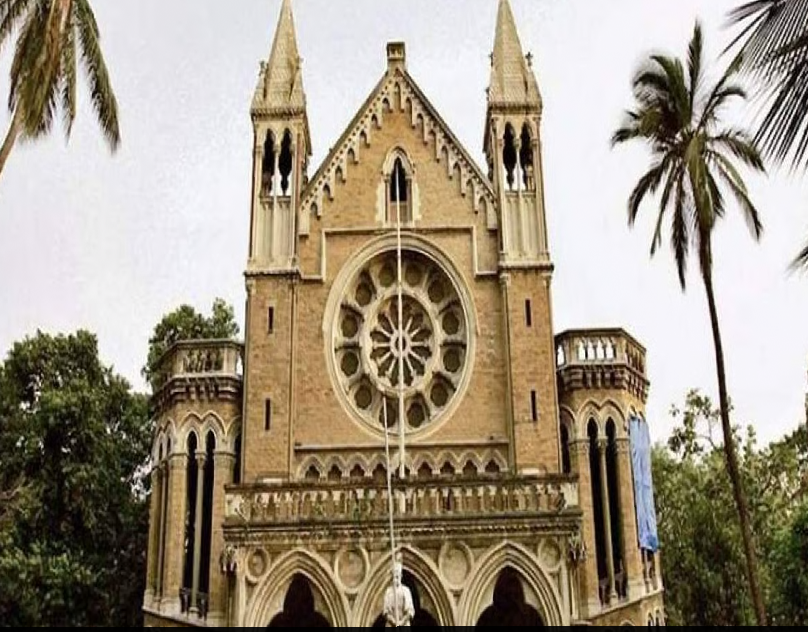
Mumbai University UG Admissions 2026 Registration Begins
Mumbai University UG Admissions 2026 Begin as Thousands Prepare for a New Academic Session
The University of Mumbai has officially commenced the undergraduate (UG) admission process for the 2026-27 academic session, opening registrations for thousands of students seeking entry into one of India’s most historically significant and academically influential public universities. The online admission portal became active on May 6, allowing candidates to apply for first-year degree programmes across affiliated colleges, autonomous institutions and university departments.
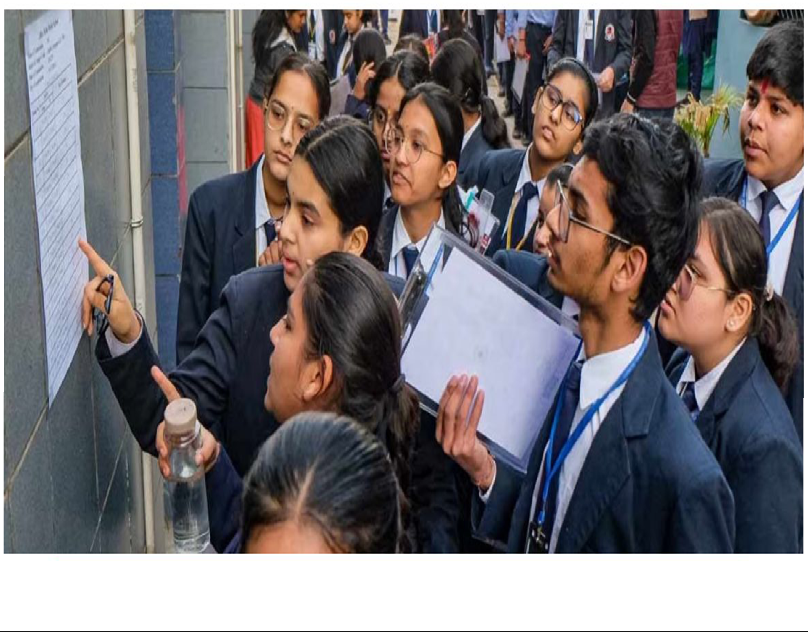
For students across Maharashtra and beyond, the commencement of admissions marks the beginning of a critical academic transition. From selecting preferred colleges and courses to navigating merit lists and documentation procedures, the coming weeks will shape the educational pathways of a new generation entering higher education.
The registration process, which remains open until May 21 at 1 pm, applies primarily to non-professional undergraduate courses including Bachelor of Arts (BA), Bachelor of Science (BSc) and Bachelor of Commerce (BCom), alongside several multidisciplinary and emerging academic programmes.
As India’s higher education landscape continues evolving under the framework of the National Education Policy (NEP) 2020, this year’s admission cycle also reflects broader transformations taking place within university education, curriculum design and student aspirations.
One of India’s Largest University Admission Processes
Established in 1857, the University of Mumbai remains one of the oldest and most prominent universities in the country. With hundreds of affiliated colleges and lakhs of enrolled students, its annual undergraduate admission process is among the largest in India.
The scale of admissions reflects not only the university’s academic influence but also Mumbai’s enduring status as a major educational destination. Students from diverse socioeconomic and geographical backgrounds seek admission into its colleges each year, drawn by the institution’s reputation, affordability and extensive course offerings.
The 2026 admission cycle includes programmes across traditional disciplines as well as newer interdisciplinary fields such as Data Science, Forensic Science, Aeronautics and Film Studies.
This diversification of courses signals the university’s attempt to align itself with changing academic and industry demands. Modern students increasingly seek programmes that integrate employability, technological relevance and interdisciplinary learning rather than remaining confined solely to conventional degree structures.
Registration Timeline and Important Dates
According to the admission schedule released by the university, online registration and application submission began at 11 am on May 6, 2026. The application window will remain open until May 21, 2026, at 1 pm.
The university has also outlined the subsequent stages of the admission process:
- First merit list: May 26, 2026
- Verification and fee payment for the first list: May 27 to May 29
- Second merit list: May 30
- Verification and fee payment for the second list: June 1 to June 3
- Third merit list: June 4
- Final admission procedures: June 9
- Commencement of classes: June 13, 2026
The structured timeline is intended to streamline admissions while ensuring that students receive sufficient time for document verification and fee payment.
University authorities have also clarified that the minority quota and in-house admissions will take place simultaneously during the registration period.
How Students Can Apply
The admission process is being conducted entirely online through the university’s official admission portal. Candidates are required to complete both pre-enrolment registration and college-level applications within the stipulated timeline.
The application procedure broadly includes:
- Online registration on the university portal
- Submission of personal and academic details
- Uploading required documents
- Selection of preferred colleges and courses
- Payment of applicable fees
- Submission and confirmation of application
Among the documents required during registration are:
- Passport-sized photograph
- Signature
- Class 12 marksheet
- Category certificates, where applicable
Students are advised to complete registrations carefully and verify uploaded information thoroughly before final submission, as inaccuracies may create complications during document verification stages.
The Continuing Importance of Merit-Based Admissions
Mumbai University’s undergraduate admission process continues to operate primarily through merit lists based on Class 12 examination performance. Despite growing national discussions around entrance examinations and standardised testing frameworks, merit-based admissions remain central to undergraduate entry within many public universities.
This model carries both strengths and challenges.
On one hand, merit lists provide a relatively accessible pathway for students without requiring additional entrance preparation costs. On the other hand, the intense competition for highly reputed colleges and courses often results in exceptionally high cut-offs, especially within commerce and science streams.
Colleges such as St. Xavier’s College Mumbai, HR College of Commerce and Economics and Mithibai College routinely witness strong competition due to their academic reputation and placement opportunities.
As a result, admission season in Mumbai frequently becomes a period of both anticipation and anxiety for students and families alike.
The Influence of NEP 2020 on University Admissions
This year’s admissions are also taking place within the broader context of the National Education Policy 2020, which has introduced significant structural reforms across higher education institutions.
The NEP framework encourages multidisciplinary learning, academic flexibility and holistic education models. Universities across India, including Mumbai University, have gradually begun adapting course structures, credit systems and curricular frameworks in alignment with these reforms.
One visible shift is the growing emphasis on interdisciplinary programmes and skill-oriented learning. Traditional academic boundaries between arts, commerce and science are becoming increasingly fluid, enabling students to combine subjects from multiple domains.
This transformation reflects changing realities within global employment ecosystems where adaptability and cross-disciplinary understanding are becoming increasingly valuable.
Mumbai as an Educational Destination
The annual admission cycle also highlights Mumbai’s enduring role as one of India’s most significant educational hubs.
Beyond its economic prominence, the city hosts a dense ecosystem of universities, colleges, research institutions and professional training centres. Students are often drawn not only by academic opportunities but also by exposure to industries such as finance, media, technology, law and entertainment.
For many students from smaller towns and semi-urban regions, admission into a Mumbai college represents a major milestone associated with independence, professional aspiration and social mobility.
However, studying in Mumbai also presents challenges. Rising living costs, accommodation constraints and urban congestion continue to affect student experiences within the city. Despite these difficulties, the educational prestige associated with Mumbai institutions remains strong.
The Digitalisation of University Admissions
The fully online nature of the admission process reflects the accelerating digital transformation within Indian higher education administration.
Over the past decade, universities have increasingly adopted digital systems for applications, fee payment, merit publication and academic management. This transition has improved efficiency and reduced dependency on manual administrative processes.
Online admissions have also enhanced accessibility for students applying from distant regions. Candidates no longer need to physically visit campuses during the initial registration stages.
Nevertheless, digital systems continue to expose inequalities related to internet access, technological familiarity and device availability. Students from rural or economically disadvantaged backgrounds may still encounter challenges while navigating entirely online procedures.
Consequently, educational institutions and counselling centres continue playing an important role in assisting applicants during admission cycles.
The Emotional Transition from School to University
For many students, undergraduate admissions represent more than administrative formalities. They symbolise the transition from structured school environments into a more independent and exploratory phase of life.
The move towards university education often brings significant emotional adjustments. Students must navigate academic expectations, social transitions, career uncertainties and personal independence simultaneously.
Parents, too, experience this transition intensely, particularly within families where higher education represents a major aspirational achievement.
In recent years, educational psychologists have increasingly highlighted the importance of emotional preparedness during this stage. Academic success alone does not determine a student’s ability to adapt to university life. Confidence, communication skills, resilience and self-management are equally essential.
As a result, conversations surrounding higher education are gradually expanding beyond marks and admissions to include student well-being and holistic development.
The Expanding Diversity of Career Aspirations
One notable trend shaping undergraduate admissions today is the diversification of career ambitions among students.
While conventional professions such as engineering, medicine and chartered accountancy continue attracting large numbers of applicants, there is growing interest in fields including:
- Data analytics
- Media studies
- Design
- Psychology
- Film production
- Environmental studies
- Liberal arts
- Digital communication
Mumbai University’s inclusion of emerging programmes reflects this changing landscape.
Students increasingly seek courses that combine academic depth with industry relevance and creative flexibility. This evolution mirrors broader transformations within the global economy where interdisciplinary knowledge and adaptable skill sets are becoming increasingly important.
The Future of Higher Education
As registrations continue for the 2026–27 academic session, the larger significance of Mumbai University’s admission process lies in what it represents for India’s educational future.
Universities today are no longer viewed solely as spaces for degree acquisition. They are expected to cultivate innovation, critical thinking, social awareness and professional adaptability within rapidly changing global contexts.
The coming generation of students will enter a world shaped by technological disruption, artificial intelligence, economic uncertainty and evolving career structures. Consequently, higher education institutions face growing pressure to prepare students not merely for examinations, but for complexity itself.
For thousands of students currently completing their registration forms, the immediate focus may remain on merit lists and admissions. Yet the journey they are beginning extends far beyond classrooms and scorecards.
It marks the beginning of intellectual independence, personal transformation and participation within a changing educational landscape that continues redefining the meaning of learning in contemporary India.