NCERT, IIT Madras Partner for AI-Driven Education Innovation
NCERT & IIT Madras Join Hands to Boost Educational R&D and Technology Integration
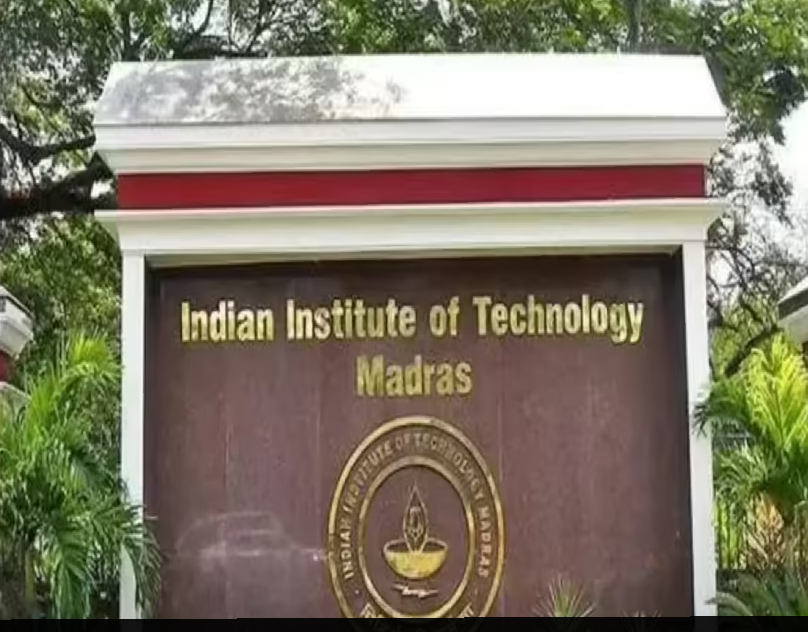
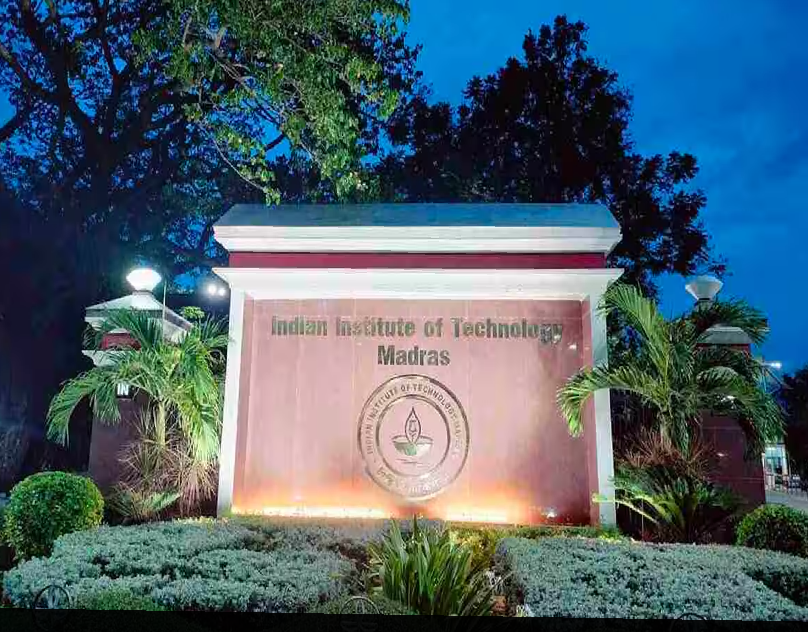
In a significant move towards transforming India’s education landscape, the National Council of Educational Research and Training has signed a Memorandum of Understanding (MoU) with Indian Institute of Technology Madras. The partnership aims to strengthen research and development in education while accelerating the integration of advanced technologies into teaching and learning processes.
This collaboration marks a forward-looking step in aligning India’s education system with global standards, particularly in the areas of digital innovation, inclusivity, and skill development. By combining NCERT’s expertise in curriculum design with IIT Madras’ technological capabilities, the initiative seeks to create a more dynamic and future-ready educational ecosystem.
A Strategic Partnership for Educational Transformation
The MoU reflects a shared vision of leveraging technology to enhance the quality, accessibility, and inclusivity of education across the country. As education systems worldwide increasingly adopt digital tools, this collaboration positions India to take a proactive role in shaping the future of learning.
The partnership is expected to focus on developing innovative solutions that address existing challenges in education, including disparities in access, variations in teaching quality, and the need for personalised learning experiences.
By bringing together academic expertise and technological innovation, NCERT and IIT Madras aim to create scalable models that can be implemented across diverse educational settings.
Integrating AI and Machine Learning in Education
A central component of the collaboration is the use of emerging technologies such as Artificial Intelligence (AI) and Machine Learning (ML). These technologies have the potential to revolutionise education by enabling more efficient content delivery, personalised learning pathways, and data-driven decision-making.
AI-powered tools can help analyse student performance, identify learning gaps, and provide customised recommendations. Similarly, machine learning algorithms can enhance assessment systems, making them more adaptive and responsive to individual student needs.
The integration of these technologies is expected to not only improve learning outcomes but also make education more engaging and interactive.
Supporting the Vision of NEP 2020
The collaboration is closely aligned with the goals of the National Education Policy 2020 and the evolving National Curriculum Framework. Both emphasise the importance of technology, inclusivity, and holistic learning in shaping the future of education.
According to Sanjay Kumar, the partnership is a crucial step towards realising the vision outlined in these frameworks. He highlighted the need to make educational content widely accessible in digital formats and available in multiple languages to support learning in students’ mother tongues.
This multilingual approach is particularly important in a country as diverse as India, where language plays a key role in effective learning and comprehension.
Digital Content and Multilingual Learning
One of the key focus areas of the collaboration is the development and dissemination of high-quality digital educational content. The initiative aims to ensure that textbooks and learning materials are available in digital formats and translated into all 22 scheduled languages of India.
This effort is expected to significantly enhance accessibility, especially for students in remote and underserved regions. By providing content in regional languages, the initiative supports inclusive education and aligns with the principle of learning in one’s mother tongue.
In addition to textbooks, the collaboration will also explore the creation of multimedia resources, including videos, animations, and interactive modules, to enrich the learning experience.
Embracing Gamification and Extended Reality
The integration of advanced digital tools such as gamification, animation, and extended reality (XR) is another key aspect of the partnership. These technologies can make learning more engaging by transforming abstract concepts into interactive experiences.
Gamification introduces elements of play into education, encouraging student participation and motivation. Similarly, extended reality technologies, including virtual and augmented reality, can provide immersive learning environments that enhance understanding.
Such innovations are particularly valuable in subjects that require visualisation and practical application, helping students grasp complex concepts more effectively.
Personalised Adaptive Learning: A New Approach
The concept of Personalised Adaptive Learning (PAL) is central to the collaboration’s objectives. PAL uses technology to tailor educational content and teaching methods to the individual needs of each student.
By analysing data on student performance and learning patterns, adaptive systems can adjust the pace, difficulty, and style of instruction. This ensures that students receive support where needed while being challenged appropriately.
The adoption of PAL represents a shift from one-size-fits-all education to a more student-centric approach, enhancing both engagement and outcomes.
Empowering Teachers Through Continuous Development
The success of any educational reform depends significantly on teachers. Recognising this, the collaboration includes a strong focus on Continuous Professional Development (CPD) for educators.
Through training programmes and digital tools, teachers will be equipped with the skills needed to effectively integrate technology into their classrooms. This includes understanding AI-based tools, designing digital lesson plans, and using data to improve teaching strategies.
By empowering teachers, the initiative ensures that technological advancements translate into meaningful improvements in classroom learning.
Research, Data Analytics, and Innovation
Another critical area of collaboration is research and data analytics. By leveraging big data, NCERT and IIT Madras aim to gain insights into learning patterns, educational outcomes, and system-level challenges.
Such data-driven approaches can inform policy decisions, improve curriculum design, and enhance assessment systems. Collaborative research initiatives will also contribute to the development of innovative pedagogical models.
This focus on research ensures that the education system evolves based on evidence and best practices.
Promoting Inclusive and Equitable Education
Inclusivity remains a core objective of the partnership. By integrating technology and developing multilingual content, the initiative seeks to bridge gaps in access and ensure that quality education reaches all learners.
Special attention will be given to creating platforms that cater to diverse learning needs, including students from different socio-economic backgrounds and those with varying abilities.
This commitment to inclusivity aligns with the broader goal of creating an equitable education system where every student has the opportunity to succeed.
A Vision for the Future of Learning
Commenting on the collaboration, Dinesh Saklani described it as a significant step towards harnessing technology for accessible and inclusive education. The partnership represents a convergence of vision, expertise, and innovation aimed at redefining how education is delivered in India.
As technology continues to reshape industries and societies, the need for a future-ready education system becomes increasingly important. Initiatives like this not only address current challenges but also prepare students for the demands of a rapidly changing world.
Building a Future-Ready Education Ecosystem
The MoU between NCERT and IIT Madras marks a milestone in India’s journey towards modernising its education system. By combining technological innovation with educational expertise, the partnership aims to create a more inclusive, efficient, and forward-looking learning environment.
As the collaboration unfolds, its impact is expected to be far-reaching, influencing curriculum design, teaching practices, and student outcomes across the country.
Ultimately, this initiative represents a commitment to ensuring that education in India is not only accessible but also relevant, engaging, and aligned with the needs of the future.