Odisha Schools Closed Early Due to Heatwave, Summer Break Begins
Odisha School Holidays: Early Summer Vacation Announced Amid Heatwave Concerns
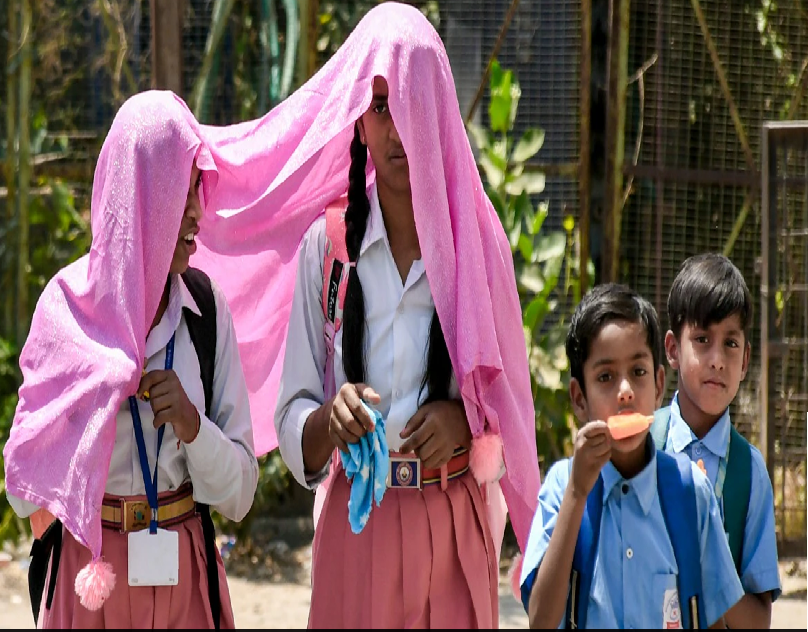
In response to intensifying heatwave conditions across the state, Mohan Charan Majhi, Chief Minister of Odisha, has announced the immediate commencement of summer vacation for schools starting April 27, 2026. The decision, taken in consultation with the School and Mass Education Department, reflects growing concerns over student safety and well-being as temperatures continue to rise to extreme levels.
The announcement marks a significant departure from the usual academic calendar, underlining the urgency of the situation. With soaring temperatures posing health risks, especially to young children, the state government has prioritised precautionary measures to minimise exposure to harsh weather conditions.
Early Vacation Declared in View of Heatwave
Traditionally, summer vacations in Odisha schools begin in early May, typically around May 6, and continue until mid-June. However, this year’s unusually severe heatwave has prompted authorities to advance the schedule by nearly ten days.
Nityananda Gond, the state’s School and Mass Education Minister, confirmed that the decision was taken after careful evaluation of prevailing climatic conditions. He noted that while the academic schedule is generally fixed, student safety must take precedence during extreme weather events.
The early closure applies to all government and private schools across the state, ensuring uniform implementation of the directive. Authorities have made it clear that compliance is mandatory, and institutions that fail to adhere to the order will be held accountable for any adverse incidents.
Protecting Students from Extreme Weather
Heatwaves have become increasingly frequent and intense in several parts of India, with Odisha being particularly vulnerable due to its geographic and climatic conditions. High temperatures, often accompanied by humidity, can lead to heat exhaustion, dehydration, and other health complications, especially among children.
By announcing an early summer break, the government aims to reduce students’ exposure to extreme heat during peak daytime hours. The move is also intended to ease concerns among parents and educators, who have been closely monitoring weather conditions in recent weeks.
This proactive approach highlights the growing need for climate-responsive policies in the education sector, particularly in regions prone to extreme weather patterns.
Academic and Administrative Activities to Continue
Despite the closure of schools for regular classes, certain academic and administrative activities will continue as scheduled. Examinations, census-related duties, and other official responsibilities will not be disrupted by the vacation.
This ensures that essential processes within the education system remain on track, even as precautionary measures are implemented. Schools and administrative bodies are expected to make necessary arrangements to carry out these activities while maintaining safety protocols.
The decision strikes a balance between safeguarding students and ensuring that critical academic timelines are not significantly affected.
Implementation Across Government and Private Schools
The directive for early summer vacation applies uniformly to both government-run and private educational institutions across Odisha. Authorities have emphasised strict compliance, making it clear that any deviation from the order will be taken seriously.
School managements have been instructed to ensure that campuses remain closed for regular academic activities during the vacation period. This uniform implementation is aimed at preventing confusion and ensuring that all students benefit from the protective measure.
Parents have also been advised to cooperate with school authorities and adhere to official guidelines during this period.
Ensuring Continuity of Learning During the Break
While the early vacation addresses immediate health concerns, the state government has also taken steps to ensure that students’ learning is not disrupted. The Odisha School Education Programme Authority (OSEPA) has introduced a structured Summer Learning Programme for students from Shishu Vatika to Class 8 in government schools.
The initiative is designed to maintain academic engagement during the break, allowing students to continue learning in a flexible and stress-free manner. It reflects a growing emphasis on balancing safety with educational continuity.
Structured Assignments and Learning Resources
As part of the programme, OSEPA has prepared detailed class-wise and subject-wise assignment sheets. These materials are intended to provide students with guided practice during the vacation, reinforcing concepts learned during the academic year.
The assignments are designed to be manageable and engaging, ensuring that students remain connected to their studies without feeling overwhelmed. By focusing on revision and application, the programme aims to strengthen foundational learning.
This structured approach helps maintain academic momentum, even in the absence of formal classroom instruction.
Use of Digital Platforms for Learning Support
Recognising the importance of digital connectivity, OSEPA has incorporated audiovisual content into the Summer Learning Programme. These resources will be shared with parents through school-managed WhatsApp groups, making them easily accessible.
The use of multimedia content enhances the learning experience by making it more interactive and engaging. It also allows students to learn at their own pace, adapting to individual learning styles.
District education officers have been instructed to create grade-wise WhatsApp groups for parents in all government schools. These groups will serve as a communication channel for sharing assignments, resources, and updates, ensuring consistent engagement throughout the vacation.
Role of Parents and Teachers in the Learning Process
With students spending more time at home, the role of parents becomes increasingly important in supporting their learning. By facilitating access to assignments and digital resources, parents can help create a conducive environment for study.
Teachers, too, play a crucial role by designing effective learning materials and staying connected with students through digital platforms. This collaborative approach ensures that education continues beyond the classroom.
The Summer Learning Programme thus represents a shared responsibility between schools, teachers, and families.
Adapting Education to Changing Realities
The early declaration of summer vacation in Odisha highlights the need for adaptive strategies in the education sector. As climate patterns become more unpredictable, educational institutions must be prepared to respond swiftly to ensure student safety.
At the same time, maintaining continuity in learning remains a priority. Initiatives like the Summer Learning Programme demonstrate how technology and planning can help bridge gaps caused by unforeseen disruptions.
This dual approach, prioritising safety while sustaining education, reflects a more resilient and responsive system.
Balancing Safety and Learning
As Odisha navigates the challenges posed by the ongoing heatwave, the early summer vacation serves as a reminder of the importance of student well-being. The decision underscores the government’s commitment to protecting young learners while ensuring that their academic progress continues uninterrupted.
For students, the break offers a chance to rest and stay safe, while also engaging with structured learning activities. For educators and policymakers, it presents an opportunity to refine strategies that address both environmental and educational challenges.
Ultimately, the move sets a precedent for proactive governance in the face of climate-related disruptions, reinforcing the idea that education systems must evolve to meet changing realities.