UP Universities Uniform Rule Sparks Debate on Campus Identity
Uniforms in Universities: Uttar Pradesh’s New Dress Code Directive and the Debate Around Campus Identity
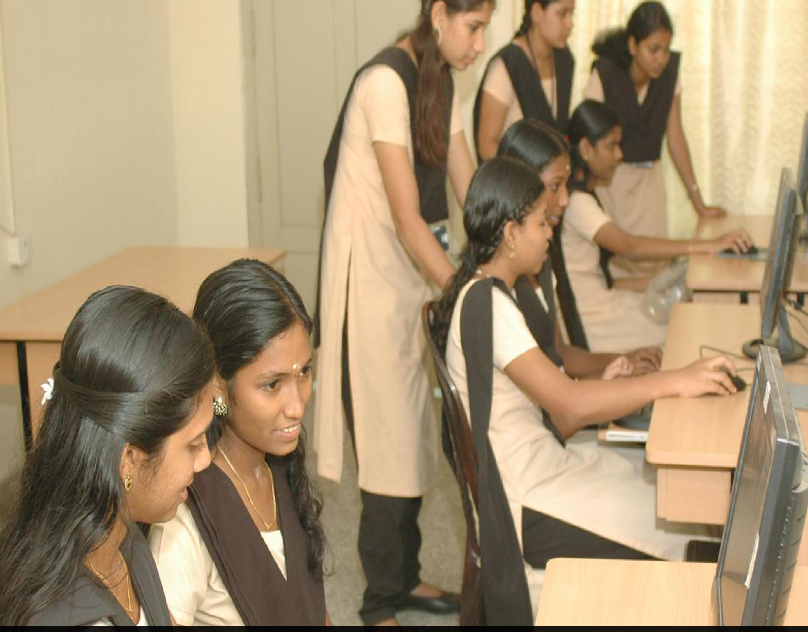
The decision to introduce compulsory uniforms across universities and colleges in Uttar Pradesh has ignited one of the most significant discussions in higher education this year. Issued under the direction of Anandiben Patel, the order seeks to establish a standardised dress code for students enrolled in state universities and affiliated colleges. The move, according to officials, is intended to strengthen discipline, promote equality and create a more focused academic atmosphere across campuses. While school uniforms have long been a familiar aspect of India’s educational structure, universities have traditionally functioned as spaces marked by greater personal freedom and individual expression. The prospect of extending uniform regulations into higher education, therefore, represents a substantial cultural and administrative shift, one that has drawn both support and criticism from students, educators and policy observers alike.
The Directive and Its Intended Purpose
The announcement emerged during a review meeting chaired by the Governor at Raj Bhavan, where discussions centred on the functioning of government-run and aided colleges affiliated with Jannayak Chandrashekhar University. During the meeting, institutions were instructed to implement a compulsory uniform system and prepare frameworks regarding colour schemes, design structures and timelines for execution.
According to the Governor’s office, the objective behind the directive is not merely aesthetic uniformity but the cultivation of discipline and equality within academic environments. Officials have argued that standardised attire can reduce visible socio-economic distinctions among students while encouraging a stronger sense of institutional identity.
This reasoning aligns with a broader philosophy often associated with uniforms in educational spaces: the idea that common attire fosters collective belonging while minimising distractions linked to fashion competition or economic disparity.
Universities as Spaces of Transition
The debate surrounding the decision becomes particularly significant because universities occupy a distinct position within the educational ecosystem. Unlike schools, which are generally structured around supervision and standardisation, universities are often regarded as transitional spaces between adolescence and professional adulthood.
For many students, entering university symbolises intellectual independence and personal autonomy. Clothing, in this context, becomes more than fabric; it represents self-expression, identity formation and cultural individuality. Critics of the directive, therefore, argue that imposing uniforms at the university level risks undermining the freedom traditionally associated with higher education.
Supporters, however, contend that discipline and individuality are not mutually exclusive. They argue that educational institutions must prioritise academic seriousness over performative social distinctions, particularly at a time when concerns about campus behaviour, safety and institutional accountability are intensifying.
The Equality Argument
One of the most frequently cited justifications for the move is the reduction of socio-economic disparities. In campuses where students come from vastly different financial backgrounds, clothing can unintentionally become a marker of class distinction. Expensive fashion trends, branded accessories and visible lifestyle indicators may deepen feelings of exclusion among economically disadvantaged students.
Proponents of uniforms argue that standardised attire can help neutralise these visible differences, creating a more inclusive atmosphere where students are judged less by appearance and more by merit and participation.
This perspective is not unique to Uttar Pradesh. Similar arguments have historically been used to justify school uniforms across various educational systems globally. Whether such policies genuinely eliminate inequality, however, remains a matter of debate. Critics point out that economic disparities often manifest in other ways and cannot be resolved solely through dress codes.
Discipline and Institutional Culture
Another central aspect of the directive is its emphasis on discipline. Educational administrators frequently associate uniforms with structured behaviour, punctuality and a stronger sense of institutional responsibility. The Governor reportedly stated that uniformity helps create a more serious academic environment and reinforces campus decorum.
The connection between attire and discipline has long been debated within educational theory. Some argue that uniforms psychologically encourage students to adopt a more focused mindset, while others believe behavioural standards should emerge through academic engagement and institutional culture rather than enforced clothing norms.
Nevertheless, the Uttar Pradesh directive appears to position uniforms as part of a broader attempt to reshape campus culture through administrative reform and behavioural expectations.
Beyond Uniforms: A Wider Reform Agenda
Interestingly, the announcement regarding dress codes was accompanied by several other directives linked to higher education reform. During the same review meeting, emphasis was placed on vocational education, student safety, teacher accountability and employment-oriented learning.
Institutions were reportedly encouraged to introduce short-term vocational courses aimed particularly at improving employability and supporting financial independence among students, especially women. Suggested programmes included training in accountancy, GST practices, beautician courses, food processing and other skill-based areas.
This broader context is important because it reveals that the uniform directive is not an isolated policy measure. Rather, it forms part of a larger administrative vision focused on discipline, employability and institutional restructuring.
Teacher Accountability and Campus Safety
The Governor also reportedly addressed concerns regarding faculty conduct during the meeting, particularly in light of recent controversies involving allegations of misconduct within university departments. Strong instructions were issued emphasising that teachers must uphold the dignity associated with the profession and avoid behaviour that compromises institutional credibility.
Additionally, universities and colleges were advised to strengthen mechanisms related to student welfare, hostel safety and grievance redressal systems. Committees involving students were proposed to ensure that campus concerns could be communicated more effectively.
Viewed in this wider framework, the uniform mandate appears intertwined with a larger discourse about order, accountability and administrative control within higher education institutions.
Student Reactions and Public Debate
Unsurprisingly, the directive has generated mixed reactions among students. Some have welcomed the move, arguing that uniforms may improve campus security by helping institutions distinguish enrolled students from outsiders. Others believe the measure could reduce peer pressure associated with fashion and economic competition.
At the same time, many students and education observers remain sceptical. Critics argue that universities should encourage individuality, creativity and freedom of expression rather than impose school-style regulations. Some also question whether dress codes address the deeper structural challenges confronting higher education, including infrastructure gaps, faculty shortages and academic quality.
There are also practical concerns regarding implementation. Questions surrounding affordability, seasonal suitability and design flexibility are likely to emerge as institutions begin drafting specific uniform frameworks.
The Symbolism of Uniforms in Higher Education
The controversy surrounding the Uttar Pradesh directive ultimately reflects a broader philosophical tension within education itself. Should universities function primarily as structured institutions focused on discipline and conformity, or should they prioritise intellectual freedom and personal expression?
Uniforms, though seemingly simple, occupy a symbolic space within this debate. They can represent equality and institutional belonging for some, while symbolising restriction and homogenisation for others.
Educational systems across the world continue to grapple with this balance. In some countries, university dress codes remain minimal or non-existent, while in others, professional attire expectations are deeply embedded within institutional culture.
Looking Ahead
As universities across Uttar Pradesh begin preparing implementation frameworks, the practical impact of the directive will become clearer. Much will depend on how institutions interpret the order, the degree of flexibility allowed and the manner in which student concerns are addressed.
The conversation, however, extends beyond clothing alone. It touches upon deeper questions about the future of higher education, the role of institutional authority, and the evolving expectations placed upon universities in contemporary India.
Whether the policy ultimately succeeds in fostering discipline and equality or becomes a source of prolonged contention remains to be seen. What is undeniable, however, is that the decision has already transformed uniforms from a routine school requirement into a national conversation about identity, governance and the purpose of university life itself.