Child Education Society Celebrates Vidya, Vivek, Vikas at 4th CES Vidya Utsav
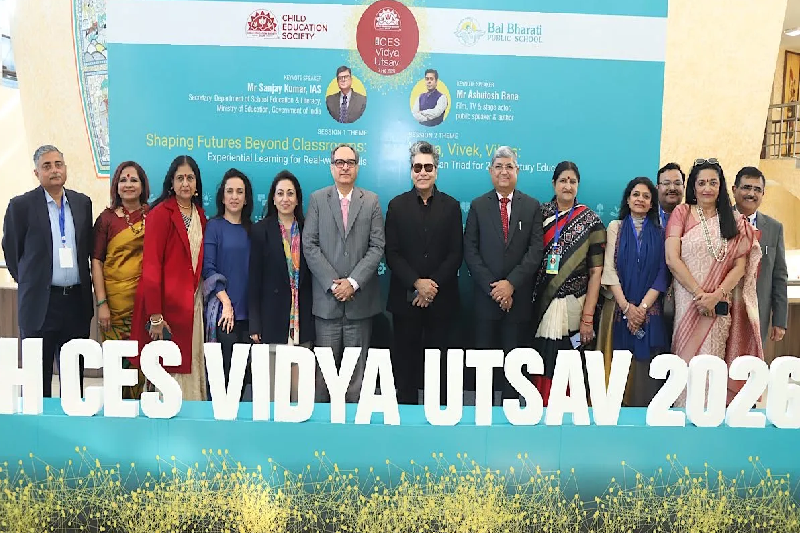
In an era when education systems worldwide are undergoing rapid transformation, conversations that bridge tradition with innovation are increasingly vital. The 4th CES Vidya Utsav, organised by the Child Education Society (CES) on 7 February 2026 at the Manekshaw Centre Auditorium in New Delhi, emerged as one such significant platform. Bringing together policymakers, educators, cultural thinkers and diverse stakeholders, the conclave sought to reimagine education in ways that prepare learners not merely for employment, but for thoughtful citizenship and purposeful living. Centred on the enduring Indian educational triad of Vidya (knowledge), Vivek (wisdom) and Vikas (progress), the event provided an opportunity to reflect on how these timeless principles can guide contemporary educational reform. The discussions, addresses and cultural presentations collectively reinforced the notion that education must remain holistic, humane and forward-looking if it is to meaningfully shape future generations.
Reimagining Education Beyond Classrooms
The event was graced by Mr Sanjay Kumar, IAS, Secretary, Department of School Education and Literacy, Ministry of Education, Government of India, whose address on the theme “Shaping Futures Beyond Classrooms” set the tone for the day. He emphasised that education must move beyond rote learning towards experiential and application-based approaches. Such pedagogical shifts, he suggested, are essential for nurturing critical thinking, adaptability and real-world competence among students. Mr Kumar also highlighted the growing significance of multilingual education in India’s diverse sociolinguistic landscape. Multilingualism, he noted, enhances accessibility, inclusivity and cognitive development, enabling students to engage with knowledge more meaningfully while preserving cultural identities. His remarks underscored the broader policy direction towards equitable, inclusive education that resonates with India’s national educational priorities.
A Vision for Holistic and Humane Education
Mr Nikhil Channa, President of the Child Education Society, offered a thoughtful perspective on redefining education to make it more relevant, holistic and inclusive. His address stressed the importance of a value-based framework that cultivates empathy, character and social responsibility alongside academic excellence. In an increasingly competitive educational environment, he argued, the humanistic dimensions of learning must not be overlooked. Education should nurture emotionally intelligent individuals capable of ethical decision-making and civic engagement. This vision aligns with the longstanding ethos of CES, which has consistently advocated education as a means of personal and societal transformation rather than merely a pathway to economic mobility.
Contemporary Challenges and Opportunities: Panel Reflections
A highlight of the Vidya Utsav was the panel discussion addressing pressing contemporary themes in education. The distinguished panel brought together voices from policy, academia, technology and industry, reflecting the interdisciplinary nature of modern educational discourse.
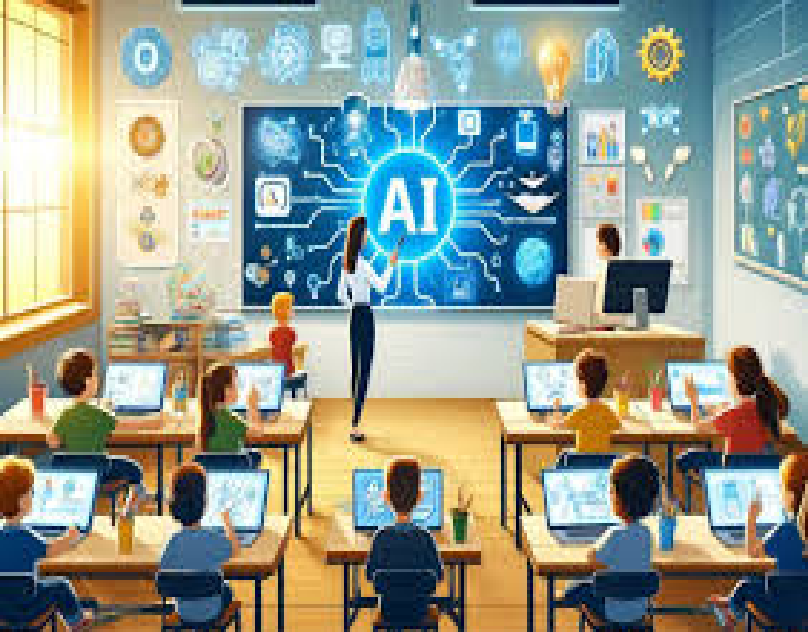
Key areas of discussion included the cultivation of employability skills, strengthening Public–Private Partnerships in education, effective utilisation of school-level autonomy, and the responsible integration of Artificial Intelligence within educational ecosystems. Participants acknowledged that AI’s influence on education is both transformative and irreversible, necessitating thoughtful governance and ethical implementation. The panel comprised Dr Buddha Chandrasekhar, Chief Coordinating Officer at AICTE and CEO of Anuvadini AI; Ms Lakshmi Kaul, an expert in public policy, trade policy and education; Dr Vinnie Jauhari, educationist, author and Director – Education Industry at Microsoft Elevate; and Dr Biswajit Saha, Director of Skill Education and Training at CBSE. The session was ably moderated by Mr Sharad Arora, Member of the Board of Management and Advisor (IT) at CES. The discussion reflected a shared consensus: education must adapt to evolving labour market demands while safeguarding ethical principles, cultural values and equitable access. Technology, while powerful, must serve pedagogical goals rather than overshadow them.
Vidya, Vivek, Vikas: A Cultural and Intellectual Reflection
The afternoon session, themed “Vidya, Vivek, Vikas - The Indian Triad of 21st Century Education,” offered a compelling blend of intellectual reflection and cultural resonance. Renowned actor, author and cultural thinker Mr Ashutosh Rana delivered a captivating address that deeply engaged the audience. Mr Rana reflected on the interconnectedness of knowledge, wisdom and progress, suggesting that true education lies in harmonising intellectual acquisition with moral discernment and societal contribution. He advocated a shift from livelihood-centric learning towards education that enables individuals to live with purpose, dignity and cultural rootedness. His reflections also celebrated the arts as integral to education. By nurturing creativity and cultural sensitivity, artistic engagement enriches cognitive development and emotional intelligence. Mr Rana commended CES for preserving this balance between academic rigour and artistic expression.
Celebrating Culture as an Educational Resource
Complementing the intellectual discussions was a rich cultural segment that highlighted India’s intangible heritage. The choir-orchestral presentation “Ragamala - A Garland of Ragas” and a classical dance recital offered a sensory and emotional counterpoint to the day’s academic deliberations. These performances served not merely as entertainment but as reminders of the profound educational value embedded within artistic traditions. Exposure to music, dance and cultural expression cultivates aesthetic appreciation, discipline and cultural awareness, qualities increasingly recognised as essential components of holistic education.
Honouring Legacy and Contribution
A particularly moving segment of the Vidya Utsav was the felicitation of distinguished alumni and stalwart leaders associated with CES. Recognising their enduring contributions to society underscored the institution’s commitment to celebrating excellence not only within academia but across diverse fields of public life. Such recognition also provides current students with aspirational role models, illustrating the far-reaching impact of education grounded in values, integrity and social responsibility.
A Collective Commitment to Nation-Building
The conclave concluded with a Vote of Thanks proposed by Mr L. V. Sehgal, Joint Secretary of CES. He acknowledged the vital role played by educators, policymakers and institutional leaders in shaping the nation’s future. His remarks emphasised that education remains a collective endeavour requiring sustained collaboration across sectors. Mr Sehgal commended educators for their unwavering dedication to nurturing responsible, value-driven citizens. In an age marked by rapid technological advancement and societal change, this commitment remains indispensable.
Education at the Crossroads: Lessons from Vidya Utsav
The 4th CES Vidya Utsav offered several broader insights into the evolving educational landscape:
First, education must transcend traditional classroom boundaries. Experiential learning, interdisciplinary approaches and real-world engagement are essential for preparing students for contemporary challenges.
Second, values and character formation remain central. Academic achievement alone cannot suffice; empathy, ethics and social awareness are equally critical.
Third, technology, particularly Artificial Intelligence, presents both opportunities and responsibilities. Its integration must be guided by ethical considerations and pedagogical intent.
Fourth, cultural heritage and artistic engagement are not peripheral but foundational to holistic education. They nurture identity, creativity and emotional intelligence.
Looking Forward
The reaffirmation of Vidya, Vivek, Vikas as guiding principles positions the Child Education Society as a thoughtful participant in India’s ongoing educational transformation. By integrating knowledge, wisdom and progress, CES advocates an educational philosophy that is simultaneously rooted in tradition and responsive to contemporary realities. As India aspires to strengthen its global educational standing while addressing domestic equity challenges, such dialogues are invaluable. They encourage reflection, inspire innovation and foster collaborative action. Ultimately, education’s purpose extends beyond producing skilled workers; it lies in nurturing thoughtful individuals capable of contributing meaningfully to society. The 4th CES Vidya Utsav served as a timely reminder that when knowledge is guided by wisdom and directed towards progress, education becomes a powerful force for nation-building and human flourishing.