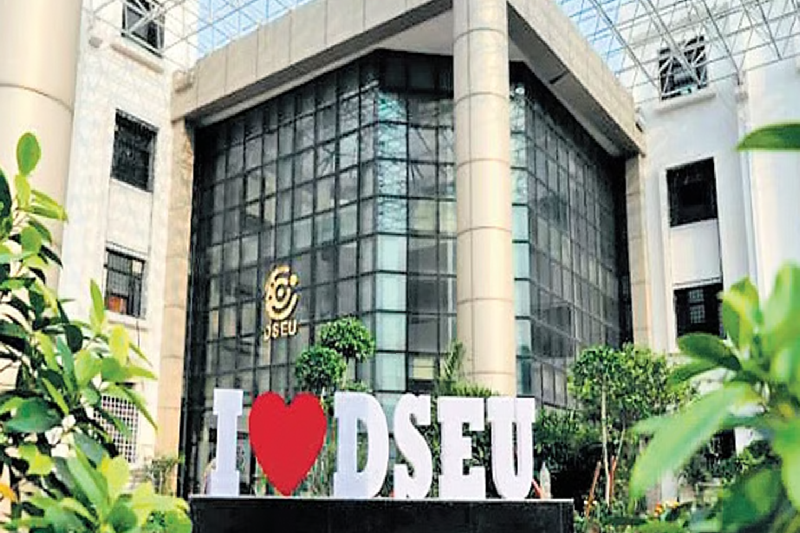
Delhi Govt Considering Wider Consultations To Review DSEU’s Functioning
The evolving landscape of higher and technical education in India increasingly demands institutions that are agile, inclusive and responsive to changing industry needs. Within this context, the Delhi government’s decision to consider broader stakeholder consultations to review the functioning of the Delhi Skill and Entrepreneurship University (DSEU) signals a significant moment for the capital’s skill education ecosystem. The proposed consultations aim not merely to assess administrative efficiency but to examine deeper structural, academic and governance dimensions that influence the university’s effectiveness and public credibility.
The Background of DSEU’s Formation
Delhi Skill and Entrepreneurship University was established with an ambitious vision: to integrate vocational training, technical education and entrepreneurial development under a unified institutional framework. By merging government polytechnics, industrial training institutes and skill centres into a single university structure, policymakers sought to streamline pathways between education and employability. The intent was clear, to enhance workforce readiness, promote innovation and ensure equitable access to skill-based education for diverse segments of society. However, as with many large-scale institutional restructurings, implementation has presented complex challenges. Aligning legacy systems, faculty structures, infrastructure capacities and academic programmes within a new administrative model requires careful planning, sustained investment and consistent stakeholder engagement.
The Government’s Review Initiative
Senior officials have indicated that the Delhi government is contemplating an expanded consultation process involving multiple stakeholders. The move reflects recognition that comprehensive institutional evaluation benefits from diverse perspectives, including policymakers, academic experts, industry representatives, faculty members and students themselves. One notable aspect under consideration is the possible involvement of former All India Council for Technical Education (AICTE) chairman T. G. Sitharam. Bringing an experienced national-level education administrator into the consultation process could provide valuable insights into regulatory frameworks, academic quality assurance and long-term institutional sustainability. This expanded consultation would complement the work of a previously constituted four-member review committee tasked with examining DSEU’s functioning in detail.
Scope of the Review
The review committee’s mandate is broad and substantive. It encompasses governance structures, academic processes, recruitment policies for teaching and non-teaching staff, programme design, and the utilisation of assets inherited from merged institutions. Such a comprehensive scope reflects the multifaceted nature of modern universities, where administrative efficiency, academic excellence and infrastructure management must operate in synchrony. Particular attention is being given to how effectively the merger of polytechnics and skill centres has translated into coherent academic pathways. Integrating vocational and academic streams remains a complex endeavour requiring curricular innovation, industry collaboration and sustained faculty development.
Stakeholder Concerns and Institutional Challenges
Over recent years, DSEU has reportedly encountered several concerns raised by students, faculty members and staff. These include allegations of administrative inefficiencies, infrastructure inadequacies, fee escalations and faculty-related issues following the institutional merger. Student groups have expressed apprehensions regarding rising fees and perceived dilution of academic standards. For an institution initially envisioned to expand access to marginalised communities, maintaining affordability and inclusivity remains a crucial priority. Equally important is ensuring that academic rigour and industry relevance are not compromised amid structural transitions. Concerns have also been raised about enrolment trends. Falling enrolment figures, where reported, may reflect broader perceptions about institutional stability, programme relevance or employability outcomes. Addressing such perceptions requires transparent communication, demonstrable academic quality and strong industry linkages.
Governance and Administrative Considerations
Effective governance lies at the heart of any successful university. Clarity in decision-making processes, accountability mechanisms and administrative responsiveness significantly influence institutional credibility. The current review offers an opportunity to reassess governance frameworks, identify areas of improvement and introduce reforms that enhance transparency and efficiency. Administrative integration following mergers often presents logistical complexities. Harmonising policies across previously independent institutions, aligning financial systems, and standardising academic procedures can be resource-intensive. Nevertheless, such efforts are essential for creating a cohesive institutional identity.
Academic Quality and Curriculum Relevance
In skill-focused universities, curriculum design must remain closely aligned with industry requirements. Rapid technological advancements, evolving labour market demands and the rise of interdisciplinary professions necessitate continual curricular renewal. The review process may therefore examine how effectively DSEU programmes integrate emerging fields such as digital technologies, advanced manufacturing, sustainable practices and entrepreneurial innovation. Strong industry partnerships, internship opportunities and applied learning experiences are critical components of such alignment. Equally important is faculty development. Continuous professional training enables educators to keep pace with technological change and pedagogical innovation, ensuring students receive contemporary and relevant instruction.
Infrastructure and Resource Utilisation
Another dimension under scrutiny involves the utilisation of physical and academic assets inherited from merged campuses. Efficient use of infrastructure, i.e - laboratories, workshops, classrooms and digital resources directly affects teaching quality and student experience. Strategic planning in this area can enhance operational efficiency while improving learning outcomes. Investments in modern laboratories, digital learning platforms and student support services may significantly strengthen institutional appeal and effectiveness.
Strengthening the Skill Education Ecosystem
Beyond institutional concerns, the review holds broader implications for Delhi’s skill education ecosystem. A robust skill university can contribute to workforce development, entrepreneurship promotion and regional economic growth. Aligning educational outputs with industry needs enhances employability while fostering innovation. Public–private partnerships may also play a pivotal role. Collaboration with industry stakeholders can facilitate curriculum co-design, research partnerships, apprenticeship programmes and job placement opportunities. Such partnerships ensure that skill education remains responsive to real-world demands.
Balancing Access, Equity and Excellence
A central challenge for DSEU and indeed for many skill-focused institutions lies in balancing accessibility with excellence. Ensuring affordable education for marginalised groups while maintaining high academic standards requires thoughtful policy design and adequate funding. Scholarship programmes, flexible learning pathways, digital accessibility initiatives and community outreach can help maintain inclusivity. At the same time, rigorous quality assurance mechanisms safeguard academic credibility.
The Importance of Dialogue and Transparency
The government’s emphasis on wider consultations reflects a constructive approach grounded in dialogue. Educational institutions thrive when stakeholders feel heard, respected and involved in decision-making processes. Transparent communication about challenges, reforms and progress fosters trust and collective ownership.
For students and faculty alike, such engagement can alleviate uncertainty and encourage active participation in institutional development.
Looking Ahead: Opportunities for Renewal
While institutional reviews often arise from concerns, they also present opportunities for renewal. By identifying strengths, addressing weaknesses and incorporating expert insights, DSEU can emerge stronger and more resilient. Potential outcomes of the review may include governance reforms, curriculum enhancement, infrastructure upgrades, faculty development initiatives and strengthened industry collaborations. Each of these can contribute to a more robust and responsive educational institution.
A Broader Reflection on Skill Education
The review of DSEU also invites reflection on the evolving role of skill education in India. As the nation aspires to become a global economic leader, workforce preparedness becomes increasingly critical. Universities dedicated to skill development must therefore operate at the intersection of education, industry and societal needs. Innovative pedagogies, technological integration and inclusive policies will define the success of such institutions in the coming years.
Conclusion
The Delhi government’s initiative to consider wider consultations for reviewing DSEU’s functioning represents a thoughtful step towards strengthening technical and skill education in the capital. By engaging diverse stakeholders and addressing governance, academic and infrastructural challenges, the review has the potential to enhance institutional effectiveness and public confidence. Ultimately, the success of DSEU will depend on its ability to uphold its founding vision, providing accessible, high-quality skill education that empowers individuals, supports industry growth and contributes to inclusive societal progress. Through collaborative dialogue and sustained reform, the university can continue to evolve as a pivotal institution in India’s educational and economic landscape.