Maharashtra’s New Recruitment Framework: A Transformative Push Towards Transparent and Efficient Public Employment
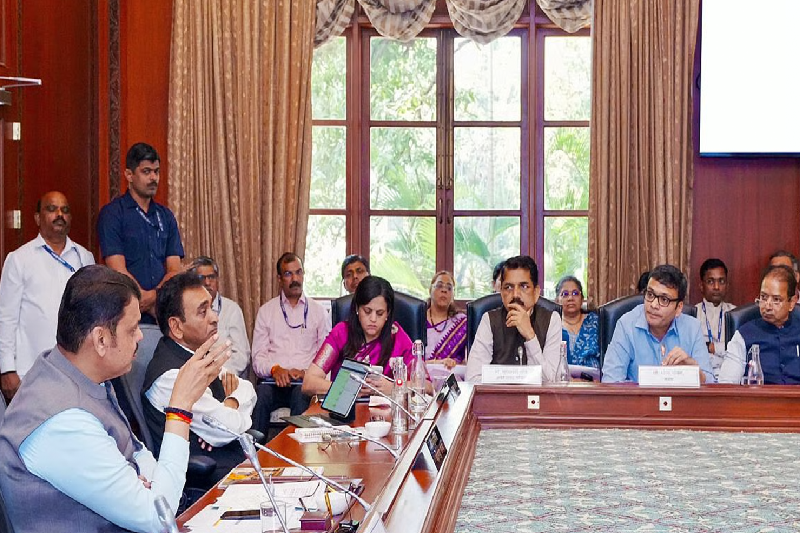
In a significant administrative development, the Government of Maharashtra has announced plans to introduce a comprehensive statewide recruitment system aimed at filling more than 70,000 government vacancies in a phased manner. The initiative, discussed during a high-level meeting chaired by Chief Minister Devendra Fadnavis, represents a broader push towards governance reforms, improved human resource management, and enhanced transparency in public sector hiring. With nearly 50,000 of these positions expected to be handled through the Maharashtra Public Service Commission (MPSC), the reform signals both administrative ambition and a renewed commitment to strengthening public institutions.
Addressing Long-Standing Vacancies
Government vacancies have long posed challenges across many Indian states, often affecting service delivery, administrative efficiency, and citizen trust. Maharashtra, one of India’s most economically dynamic states, has similarly grappled with unfilled positions across departments ranging from education and health to infrastructure and administration. The proposed recruitment system seeks not merely to fill posts quickly but to create a structured and sustainable hiring framework that can prevent such backlogs from recurring. The decision to fill more than 70,000 positions underscores the scale of the issue. Beyond the immediate administrative need, the move is expected to provide substantial employment opportunities for qualified youth, an important consideration given the increasing emphasis on job creation in both public and private sectors.
Emphasis on Governance Reforms
The recruitment initiative forms part of a broader governance reform agenda. According to statements made following the meeting, the government intends to prioritise administrative efficiency, clarity in recruitment rules, and systematic workforce planning. This signals a shift away from ad hoc recruitment drives towards a more institutionalised process aligned with long-term policy goals. Such reforms are particularly relevant in a state as complex and diverse as Maharashtra. Effective governance requires not only adequate staffing but also the right distribution of skills, competencies, and expertise across departments. The proposed framework appears designed to ensure that recruitment decisions are guided by clearly defined service entry rules, eligibility criteria, and the specific functional requirements of each role.
The Role of the Maharashtra Public Service Commission
The involvement of the Maharashtra Public Service Commission in managing approximately 50,000 of the vacancies highlights the government’s reliance on established institutional mechanisms for fair recruitment. The MPSC has historically played a central role in selecting candidates for various civil services and administrative roles, ensuring merit-based appointments through competitive examinations and structured evaluation processes. Expanding its role within this new recruitment initiative could strengthen institutional credibility, provided adequate resources and operational efficiencies are maintained. At the same time, it places significant responsibility on the commission to handle the increased volume of applications without compromising procedural integrity or timelines.
Digital Transformation and Verification Systems
One of the most noteworthy aspects of the proposed reform is the emphasis on digital verification and online recruitment processes. The government has indicated plans to develop robust digital platforms that will facilitate application submission, document verification, and recruitment tracking. This digital pivot aligns with broader national trends in e-governance. By reducing reliance on manual processes, online systems can minimise delays, curb bureaucratic opacity, and reduce opportunities for malpractice. Transparent digital workflows also enable candidates to track their application status in real time, fostering greater trust in the recruitment process. However, the success of such digital systems will depend on careful design, cybersecurity safeguards, and accessibility considerations. Ensuring that candidates from rural or technologically underserved regions can participate effectively will be crucial for maintaining inclusivity.
Transparency as a Central Pillar
Transparency has emerged as a recurring theme in the government’s communication about the new recruitment framework. Public sector hiring in India has occasionally faced criticism over perceived procedural ambiguities or delays. By explicitly foregrounding transparency, the Maharashtra government appears intent on reinforcing public confidence. Transparent recruitment not only enhances trust but also strengthens institutional performance. When hiring processes are perceived as fair and merit-based, they tend to attract higher-quality applicants and reduce disputes or legal challenges. Over time, this can improve organisational morale and administrative effectiveness.
Potential Economic and Social Impact
Beyond administrative considerations, the large-scale recruitment initiative carries notable socio-economic implications. Government employment remains a highly sought-after career path in India due to its perceived stability, benefits, and social prestige. Filling tens of thousands of vacancies could provide a significant boost to employment levels, particularly among educated youth. Moreover, better-staffed public institutions can enhance service delivery in critical sectors such as education, healthcare, urban planning, and social welfare. Improved governance capacity can, in turn, support economic development, investment confidence, and citizen satisfaction.
Alignment with Broader Policy Trends
The recruitment reform also reflects broader national policy trends emphasising efficiency, digitisation, and institutional accountability. Across India, governments are increasingly exploring technology-driven administrative solutions to streamline public services. Maharashtra’s initiative fits within this larger trajectory, potentially positioning the state as a model for administrative modernisation. Furthermore, aligning recruitment practices with clearly defined skill requirements mirrors global public administration trends, where competency-based hiring is gaining prominence. Such approaches help ensure that public servants are equipped to handle increasingly complex governance challenges.
Challenges and Considerations
While the initiative is ambitious, its successful implementation will require careful attention to several factors. Timely coordination between departments, clarity in revised recruitment rules, and adequate capacity within the MPSC will be essential. Digital infrastructure must also be robust, secure, and user-friendly. Additionally, managing public expectations will be important. Large recruitment announcements often generate significant anticipation among job seekers. Ensuring realistic timelines, transparent communication, and consistent procedural adherence will help sustain credibility throughout the process.
Looking Ahead
The Maharashtra government has indicated that decisions regarding amendments to service recruitment rules may soon be taken at the cabinet level. This suggests that the reform is still evolving, with further policy clarity likely in the coming months. If implemented effectively, the initiative could mark a turning point in how public sector recruitment is conceptualised and executed in the state. In the longer term, the success of this recruitment framework may depend not only on filling current vacancies but also on institutionalising best practices that prevent future backlogs. Continuous evaluation, feedback mechanisms, and adaptability will be key to ensuring that the system remains responsive to changing administrative needs.
Conclusion
Maharashtra’s proposed statewide recruitment system represents more than a routine hiring exercise; it reflects a broader effort to modernise governance, enhance transparency, and strengthen institutional capacity. By aiming to fill over 70,000 vacancies through structured, technology-enabled processes, the government is signalling its commitment to both administrative reform and employment generation. If executed with diligence and foresight, the initiative could deliver substantial benefits from improved public services and stronger institutions to expanded employment opportunities. Equally, it will serve as a test case for how effectively large-scale governance reforms can be implemented in a rapidly evolving administrative landscape.