Delhi CM Rekha Gupta Inaugurates Advanced Computer Labs In 100 Government Schools
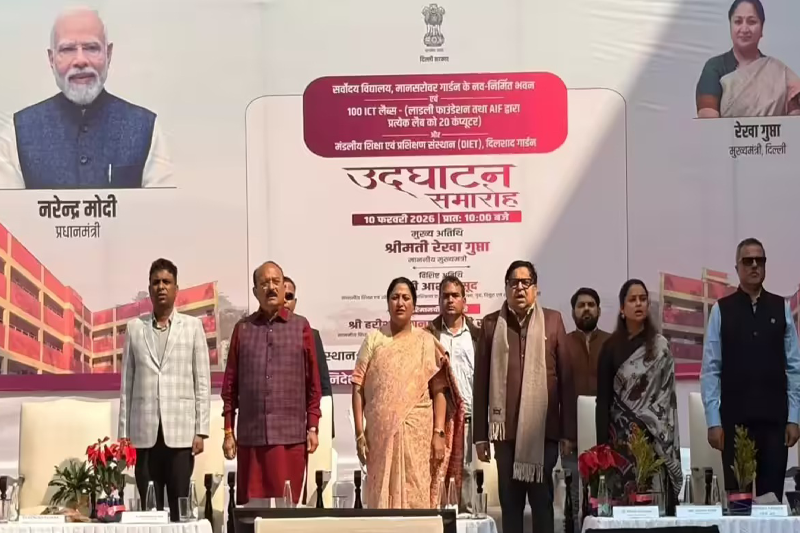
In a significant stride towards strengthening public education infrastructure, Delhi Chief Minister Rekha Gupta has inaugurated 100 advanced Information and Communication Technology (ICT) laboratories across government schools in the national capital. The initiative, implemented under the Digital Equalizer Program by the American India Foundation (AIF) in collaboration with the Ladli Foundation Trust, signals a renewed governmental emphasis on digital inclusion, equitable access to technology, and the modernisation of learning environments.
The inauguration ceremony, held at Sarvodaya Vidyalaya in Mansarovar Garden, marked more than a symbolic milestone. It reflected a broader vision of aligning public education with contemporary technological realities and preparing students for a rapidly evolving digital economy. At a time when technological fluency increasingly defines academic and professional success, investments of this nature are not merely infrastructural upgrades, but they are strategic educational interventions.
A Push Towards Digital Equity
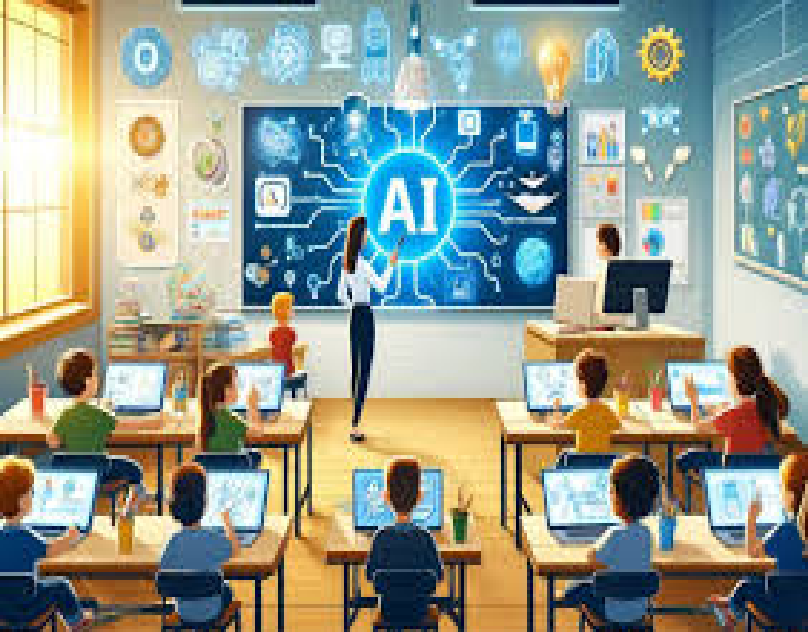
One of the most notable aspects of the initiative is its focus on digital equity. Government schools often serve students from socio-economically diverse backgrounds, many of whom may have limited access to technology outside the classroom. By establishing state-of-the-art ICT labs equipped with 20 computers and interactive flat panel displays (IFPDs) in each participating school, the programme aims to bridge this digital divide.
These facilities are expected to enhance not only computer literacy but also the pedagogical experience itself. Interactive displays, multimedia resources, and online learning tools can significantly enrich classroom engagement, making abstract concepts more tangible and accessible. In an educational landscape increasingly shaped by blended learning and digital platforms, such infrastructure becomes indispensable rather than optional.
Equally important is the provision of trained personnel to manage and optimise the use of these laboratories. Technology in isolation rarely transforms education; its effectiveness depends on informed implementation, teacher readiness, and consistent usage. By ensuring trained support staff, the programme acknowledges this critical dimension, enhancing the likelihood of sustained educational impact.
Infrastructure Beyond Technology
Alongside the ICT labs, Chief Minister Gupta inaugurated a new building block at Sarvodaya Vidyalaya and a modern District Institute of Education and Training (DIET) facility in Dilshad Garden. The DIET building, featuring 36 rooms and specialised laboratories, is designed to strengthen teacher education, professional development, and pedagogical innovation.
Teacher training remains a cornerstone of educational reform. While technological tools can facilitate learning, skilled educators determine how effectively these tools are integrated into curricula and classroom practices. The new DIET facility is expected to provide structured professional development opportunities, enabling teachers to adapt to digital methodologies, updated curricula, and evolving student needs.
This holistic approach combining student-facing digital infrastructure with teacher training support demonstrates a systemic understanding of educational transformation. It recognises that meaningful reform requires investment across the entire educational ecosystem rather than isolated interventions.
Public–Private Partnerships in Education
The collaboration between government authorities, the American India Foundation, and the Ladli Foundation Trust underscores the growing role of public–private partnerships in educational development. Such partnerships can mobilise financial resources, technical expertise, and innovative practices that complement governmental initiatives.
Chief Minister Gupta highlighted the intention to elevate government schools to a standard comparable with, or even surpassing, private institutions. This aspiration reflects an emerging policy trend: repositioning public education not as a fallback option but as a competitive, high-quality alternative.
The planned expansion to include over 2,000 computers and more than 100 computer laboratories through continued partnerships suggests that the initiative is not a one-off endeavour but part of a sustained strategy. If implemented effectively, it could reshape perceptions of government schooling while improving educational outcomes for thousands of students.
Policy Context and Educational Reform
This initiative aligns with broader national educational priorities, including the emphasis on digital literacy and experiential learning articulated in recent policy frameworks. The integration of technology into classrooms supports competency-based learning, encourages collaborative problem-solving, and prepares students for technology-driven career pathways.
Education Minister Ashish Sood, present at the inauguration, stressed the importance of prioritising classrooms and laboratories over publicity-driven initiatives. His remarks highlighted an ongoing procurement process for approximately 7,000 smart blackboards intended for 21,000 classrooms. This indicates a parallel effort to modernise classroom infrastructure at scale.
Such measures collectively point towards a systemic upgrade of Delhi’s public education infrastructure. If accompanied by curriculum innovation and continuous teacher training, these reforms could significantly enhance educational quality and accessibility.
Addressing Student-Teacher Ratios
Another anticipated benefit of the infrastructure expansion is the improvement in student-teacher ratios. Authorities expect a reduction from approximately 55:1 to 40:1, a change that could meaningfully influence classroom dynamics. Lower ratios typically allow for greater individual attention, improved assessment practices, and more effective learning outcomes.
While infrastructure alone cannot resolve staffing challenges, the creation of additional facilities often facilitates better resource allocation and classroom distribution. When combined with teacher training initiatives, such improvements can contribute to a more supportive and effective learning environment.
Long-Term Educational Impact
The introduction of advanced ICT labs is likely to have implications beyond immediate academic performance. Early exposure to digital tools can cultivate critical thinking, research skills, and technological adaptability, i.e - competencies increasingly valued across higher education and the workforce.
Moreover, access to technology fosters educational inclusivity. Students who might otherwise lack digital exposure gain opportunities to engage with online resources, coding platforms, virtual simulations, and collaborative learning tools. These experiences can broaden academic aspirations and career possibilities.
There is also a broader societal dimension. Digitally literate students contribute to a more informed citizenry capable of navigating information ecosystems responsibly. As India’s economy becomes more technology-driven, investments in digital education support national competitiveness and innovation capacity.
Challenges and Considerations
Despite the promise of such initiatives, their success depends on sustained implementation, maintenance, and evaluation. ICT labs require regular technical upkeep, software updates, and pedagogical integration. Without consistent oversight, even well-equipped facilities risk underutilisation.
Additionally, teacher confidence in using digital tools varies widely. Continuous professional development, peer learning networks, and institutional support will be essential to ensure that technology enhances rather than complicates teaching practices.
Monitoring educational outcomes will also be crucial. Data on student engagement, digital literacy progression, and academic performance can help refine future interventions and ensure accountability.
A Step Towards Educational Transformation
The inauguration of 100 advanced ICT labs in Delhi government schools represents more than an infrastructural upgrade; it reflects a strategic commitment to educational modernisation, digital equity, and systemic reform. By combining technology integration, teacher training support, and collaborative partnerships, the initiative seeks to address multiple dimensions of educational quality simultaneously.
If sustained with careful implementation and continuous evaluation, this effort could serve as a model for other regions seeking to revitalise public education through technology. Ultimately, the success of such programmes will be measured not merely by the number of computers installed but by the extent to which they enrich learning experiences, expand opportunities, and empower students to thrive in a rapidly changing world.
In an era where education increasingly intersects with technology, initiatives like these signal an important shift, one that positions public schooling as forward-looking, inclusive, and responsive to the demands of the twenty-first century.