Forging Tomorrow’s Learning Landscapes: Delhi’s Quest to Elevate Narela as a Premier Education Hub
In the wake of the Union Budget 2026–27, states across India are intensifying efforts to capitalise on new initiatives designed to reshape the nation’s educational ecosystem. Among the forward-looking proposals unveiled by the Government of India was the creation of five new “university townships”, expansive, integrated complexes that unify higher education, research excellence, industry interface, residential life and employment opportunities.
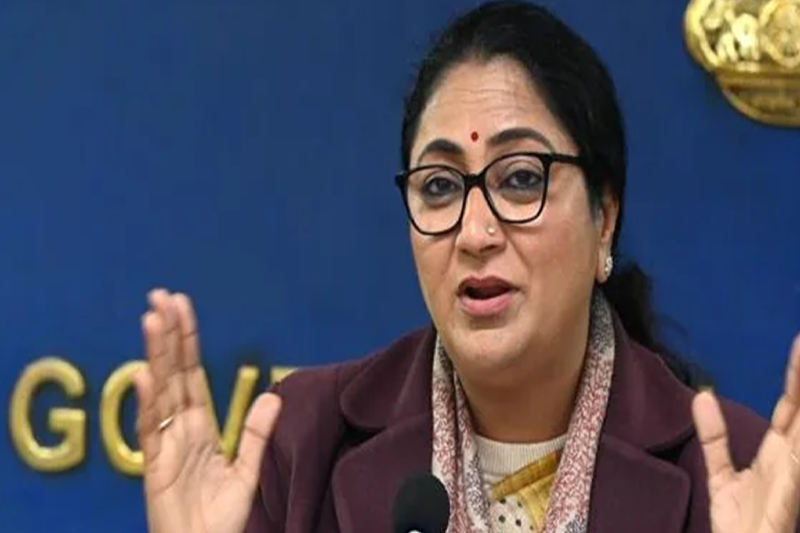
For the National Capital Territory of Delhi, this presents not merely an opportunity but a strategic inflection point. At a press conference held in early February 2026, Chief Minister Rekha Gupta articulated her government’s ambition to have the proposed Narela education hub included among the five township sites referenced in the Budget. This endeavour encapsulates Delhi’s drive to modernise its educational infrastructure, foster skill development and expand opportunities for youth in a rapidly changing socio-economic landscape.
Narela: From Outskirts to Education Epicentre
Narela, a sub-city on the northern periphery of Delhi has long been earmarked for transformative development. Originally envisioned as a satellite township with industrial and residential potential, it has increasingly become the focus of ambitious urban and educational planning. Spanning substantial tracts of land and benefiting from improved transport links, Narela is uniquely positioned to host an educational agglomeration that could rival established academic zones in India’s metropolitan centres.
Previous initiatives have already underscored this intent. For instance, the Delhi Development Authority (DDA), under instruction from the Lieutenant Governor’s office, allocated 181 acres of land to major universities and institutions, including technical, entrepreneurial and specialised campuses as part of the foundation for an “education hub” in Narela.
Chief Minister Gupta’s appeal to include this burgeoning site among the new university townships builds upon that groundwork, seeking to blend local aspirations with national policy momentum. Inclusion in this flagship initiative would elevate Narela’s profile dramatically, attracting investment, talent and institutional partnerships that extend well beyond Delhi’s territorial boundaries.
The Union Budget’s Vision and Its Resonance
The Budget 2026–27, presented to Parliament under the stewardship of the Finance Minister, outlined a comprehensive scheme aimed at fortifying India’s human capital and bridging the divide between education and industry. A central pillar of this vision is the establishment of university townships, a multi-dimensional education-cum-innovation precincts strategically sited along industrial and logistics corridors. These townships are intended to stimulate regional economic development while bridging academic inquiry with real-world enterprise and employment markets.
This initiative represents a shift in national policy: from discrete institutional expansions to holistic education ecosystems where learning, research, residential life, industry-interaction and community engagement coalesce. Enhanced infrastructure, from world-class laboratories to innovation incubators, is expected to characterise these zones, i.e - forging environments that nurture creativity, cross-disciplinary exploration and global competitiveness.
For Delhi, a city already host to a constellation of premier universities, specialised research centres and professional institutes, the new townships offer a canvas upon which to inscribe a next generation education model, one that could elevate its status from centre of learning to global destination for scholarly aspiration.
Chief Minister’s Strategic Priorities
At the press briefing, Chief Minister Gupta characterised the Union Budget as “balanced” and inclusive, capable of supporting social priorities while fuelling economic growth and youth empowerment. She stressed that the Delhi administration would endeavour to “derive maximum benefit” from its provisions, particularly those aligned with education, infrastructure and skill development.
Among the provisions highlighted by Gupta was a substantial increase in special assistance for Union Territories with legislatures, with Delhi and Puducherry together earmarked for an allocation of ₹15,380 crore, up markedly from ₹6,275 crore in the previous fiscal. Such fiscal support, she argued, could underpin infrastructural improvements, including water systems, transportation and basic services that are essential precursors to any large-scale township project.
Gupta also pointed to enhanced allocations for centrally sponsored schemes, noting an increase from ₹12,483 crore to ₹13,611 crore for the upcoming year, a sign that the capital could anticipate sustained support for developmental priorities across multiple sectors, including education.
Aligning with National Priorities: AVGC and Content Creation Labs
Beyond the Narela proposal, the Chief Minister outlined Delhi’s intention to integrate local institutions into national schemes aimed at promoting emerging creative and technological sectors. One such initiative is the Government of India’s drive to establish Content Creation Labs in 15,000 secondary schools and 500 colleges across the country to seed capabilities in Animation, Visual Effects, Gaming and Comics (AVGC).
These labs are designed to cultivate digital literacy, creative problem-solving and future-ready competencies among students, bridging the divide between traditional academic pathways and the burgeoning digital economy. Delhi’s schools and colleges, Gupta noted, will be integrated into this network, positioning the capital’s youth to tap into sectors characterised by rapid growth, global demand and high-value employment potential.
This alignment reflects a broader policy pragmatism: rather than pursuing isolated programmes, Delhi is positioning itself to leverage national initiatives that dovetail with local strengths, in this case, an existing concentration of creative industries, digital enterprises and professional services that could amplify the impact of such content creation ecosystems.
Economic & Social Dimensions
The Narela proposal and related budgetary provisions also have profound implications for Delhi’s socio-economic fabric. A township anchored in education and innovation could catalyse job creation, attract domestic and international investments, and serve as an incubator for entrepreneurial ventures that spring from university research and student ingenuity.
Moreover, the integration of education hubs into urban planning can stimulate broader urban regeneration, creating jobs in construction, services and infrastructure while enhancing the quality of life for local residents through improved transit, utilities and public amenities.
Gupta underscored this holistic vision, emphasising that Budget provisions extend beyond capital projects to support sectors such as health, tourism and sports, all of which intersect with education and youth engagement. Initiatives such as hostels for girls in every district aimed at expanding access and inclusion and enhanced funding for central government hospitals in Delhi exemplify the wide ambit of the Budget’s socio-development focus.
Transportation and Connectivity Gains
Integral to the transformative potential of township projects is the broader infrastructure landscape. Gupta highlighted the announcement of the Delhi-Varanasi high-speed rail corridor, one of seven such corridors proposed nationwide as a significant enhancement to the capital’s transport infrastructure.
Such connectivity improvements not only reduce travel time and enhance regional mobility but also make integrated education towns more viable by linking them to important economic nodes. Efficient transport systems are indispensable for attracting faculty talent, student populations and industry partners to a township-oriented model.
Challenges, Opportunities and the Path Forward
While the aspiration to include Narela among the Union Budget’s university townships is ambitious, it is not without challenges. Successful realisation will depend on cohesive planning, inter-governmental coordination and the mobilisation of resources across multiple agencies. Ensuring that infrastructure keeps pace with academic ambitions, i.e - from power and water to connectivity and housing will be equally critical.
Yet the opportunity is unmistakable. For a city whose intellectual capital has long been its strength, embedding that capital within a structured, township-based ecosystem could redefine Delhi’s role in national and global knowledge economies. Coupled with investments in digital skills, creative industries and inclusive access, the Narela project, if realised, may become a template for 21st-century education cities.
Conclusion: A Vision Anchored in Education and Innovation
In seeking to have Narela included among the Union Budget’s new university townships, the Delhi government is doing more than advocating for a parcel of land. It is articulating a vision of education that is spatially expansive, economically integrative and socially inclusive, one that aligns with India’s broader aspirations for human capital development and economic transformation.
If that vision comes to fruition, it could usher in a new chapter in Delhi’s evolution as a hub of learning, innovation and opportunity, a city where education acts not merely as a pathway to employment, but as a cornerstone of a dynamic, resilient and equitable future.