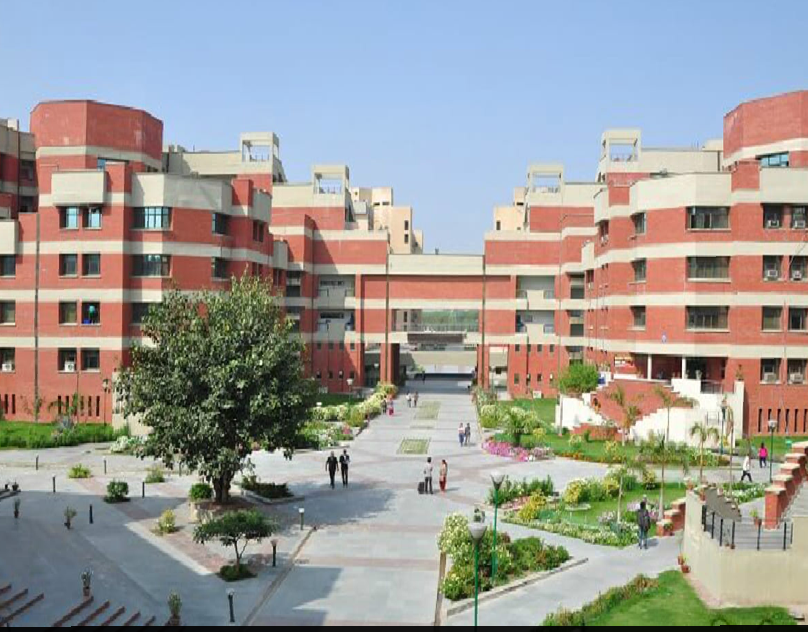
GGSIPU Launches 7 New Healthcare Courses for 2026 Session
GGSIPU Expands Allied Medical Education With Seven New Healthcare Courses for 2026 Session
In a significant move aimed at strengthening allied healthcare education in India, Guru Gobind Singh Indraprastha University (GGSIPU) has introduced seven new healthcare and paramedical programmes for the 2026 academic session. The university has simultaneously commenced the online admission process for these newly launched courses, expanding opportunities for students seeking specialised careers in healthcare and clinical sciences.
The announcement reflects a broader transformation underway within India’s higher education and healthcare sectors, where increasing attention is being directed towards specialised medical support services, rehabilitation sciences, psychological care and emergency healthcare systems. As the demand for trained allied healthcare professionals continues to rise, institutions such as GGSIPU are responding by diversifying academic offerings and aligning curricula with emerging industry requirements.
The newly introduced programmes are expected to attract students interested in modern healthcare disciplines that extend beyond conventional medical and nursing education. In recent years, growing awareness around mental health, rehabilitation services, emergency medicine and diagnostic sciences has significantly widened the scope of healthcare education across India.
New Healthcare Courses Introduced by GGSIPU
According to the official announcement, the university has introduced seven programmes spanning undergraduate, postgraduate and diploma levels. These include courses in clinical psychology, emergency medical and trauma technology, epidemiology, rehabilitation psychology, speech-language pathology and optometry.
The newly launched programmes include:
- B.Sc. Clinical Psychology (Hons.)
- Bachelor of Science in Emergency Medical and Trauma Technology (EMTT)
- Epidemic Intelligence Service / Master in Applied Epidemiology
- MA in Clinical Psychology
- Post Graduate Diploma in Rehabilitation Psychology (PGDRP)
- M.Sc. Speech Language Pathology
- Bachelor of Optometry
These programmes represent an important expansion of GGSIPU’s healthcare education ecosystem and reflect increasing institutional emphasis on multidisciplinary medical sciences.
The diversity of the courses also indicates the changing nature of healthcare delivery systems in India. Modern healthcare now relies extensively on specialised technical and support professionals who contribute to patient care, rehabilitation, diagnostics and emergency response mechanisms.
Rising Demand for Allied Healthcare Professionals
The expansion of healthcare education at GGSIPU comes at a time when India’s healthcare sector is witnessing rapid transformation. Increased investments in hospitals, diagnostic infrastructure, rehabilitation centres and mental health services have generated substantial demand for professionally trained allied healthcare personnel.
Traditionally, public attention in healthcare education has largely centred around MBBS and nursing programmes. However, healthcare delivery systems increasingly depend upon a broad network of specialised professionals, including clinical psychologists, speech therapists, emergency care technicians, optometrists and rehabilitation specialists.
The COVID-19 pandemic further highlighted the importance of epidemiology, emergency medical systems and healthcare support services. It also accelerated discussions around public health preparedness, disease surveillance and psychological well-being, all of which are now emerging as critical areas within healthcare education.
By launching programmes in these specialised disciplines, GGSIPU appears to be aligning its academic strategy with evolving healthcare priorities and workforce requirements.
Focus on Mental Health and Rehabilitation Sciences
One of the most notable aspects of the newly introduced programmes is the emphasis on mental health and rehabilitation-focused disciplines. Courses such as the MA Clinical Psychology and the Post Graduate Diploma in Rehabilitation Psychology indicate increasing academic recognition of psychological care and rehabilitation services as integral components of modern healthcare.
India has witnessed growing awareness surrounding mental health concerns over the past decade. Educational institutions, workplaces and healthcare organisations are increasingly acknowledging the need for qualified mental health professionals capable of addressing psychological and behavioural challenges across diverse populations.
Similarly, rehabilitation sciences have gained importance in response to rising healthcare needs associated with disability support, neurological conditions, developmental disorders and post-trauma recovery.
Programmes such as Speech Language Pathology and Rehabilitation Psychology are expected to equip students with specialised expertise required for supporting individuals facing communication disorders, cognitive challenges and rehabilitation needs.
Emergency Healthcare Education Gains Momentum
The inclusion of Emergency Medical and Trauma Technology among the newly launched programmes also reflects the expanding significance of emergency healthcare infrastructure in India.
Emergency medical services form a critical component of healthcare systems worldwide, requiring trained personnel capable of handling trauma care, emergency response coordination and pre-hospital medical assistance. Rapid urbanisation, increasing road traffic incidents and evolving public health challenges have intensified demand for skilled emergency care professionals.
Through the EMTT programme, GGSIPU aims to prepare students for roles within hospitals, trauma centres, ambulance services and emergency response systems. The programme is expected to combine theoretical medical knowledge with practical clinical exposure relevant to emergency healthcare operations.
As healthcare systems become increasingly technology-driven and patient-centred, specialised training in emergency response mechanisms is likely to remain highly valuable.
Optometry and Clinical Sciences Expand Career Opportunities
The Bachelor of Optometry programme introduced by the university further strengthens opportunities in vision sciences and eye care services. Optometrists play an essential role in preventive eye care, vision assessment and rehabilitation support, particularly in regions with limited access to ophthalmological services.
India continues to face substantial demand for qualified eye care professionals due to rising cases of visual impairment, lifestyle-related eye conditions and increased digital screen exposure. As awareness around preventive eye healthcare grows, optometry has emerged as a promising academic and professional field.
Similarly, programmes related to clinical psychology and epidemiology broaden opportunities for students seeking careers in healthcare research, diagnostics, counselling and public health administration.
The introduction of the Epidemic Intelligence Service and Master's in Applied Epidemiology programme is particularly noteworthy given the increasing relevance of disease surveillance and public health analytics in contemporary healthcare systems.
Admission Process and Application Details
GGSIPU has already commenced the online admission process for these newly introduced healthcare programmes. Interested candidates can apply through the university’s official admission portal by completing the prescribed online application procedure.
The university has reportedly prescribed separate fee structures for each programme depending on the academic level and course specialisation. Applicants are advised to review the detailed eligibility criteria, admission guidelines and entrance requirements before submitting their applications.
According to reports, the last date for submission of online application forms is expected to be May 31, 2026.
Candidates are also encouraged to regularly monitor the official university website for updates regarding counselling procedures, merit lists and entrance-related notifications.
GGSIPU’s Expanding Academic Vision
The introduction of these seven healthcare programmes forms part of GGSIPU’s broader academic expansion strategy for the 2026 academic session. Earlier this year, the university announced the launch of 24 new academic programmes across undergraduate, postgraduate and doctoral levels.
The university has increasingly focused on introducing industry-relevant and future-oriented disciplines aligned with evolving employment trends and technological advancements. Areas such as artificial intelligence, robotics, data science, healthcare sciences and special education have featured prominently within its recent expansion initiatives.
With more than 40,000 seats across university schools and affiliated institutions, GGSIPU continues to strengthen its position as one of Delhi’s leading public universities offering multidisciplinary professional education.
The university’s emphasis on healthcare sciences also reflects broader national priorities concerning healthcare accessibility, workforce development and medical infrastructure expansion.
Allied Healthcare Education and India’s Future Workforce
The growing prominence of allied healthcare education in India is unlikely to diminish in the coming years. As healthcare systems become more specialised and technologically advanced, the need for trained support professionals will continue to increase.
Unlike conventional medical education pathways, allied healthcare programmes often provide students with focused, skill-based training linked directly to practical healthcare operations. This creates employment opportunities across hospitals, rehabilitation centres, research institutions, diagnostics laboratories and public health agencies.
Furthermore, the interdisciplinary nature of many modern healthcare professions enables graduates to work across clinical, research and administrative domains.
Institutions introducing specialised healthcare programmes today are therefore not merely expanding academic portfolios; they are contributing to the development of a diversified healthcare workforce capable of supporting India’s rapidly evolving medical ecosystem.
The Future of Allied Healthcare Education
GGSIPU’s decision to introduce seven new healthcare programmes for the 2026 academic session represents more than an academic expansion initiative. It reflects shifting educational priorities shaped by changing healthcare realities, workforce demands and societal awareness around specialised medical services. For students aspiring to build careers in healthcare beyond traditional medicine, the newly launched programmes provide fresh avenues for professional growth and specialised expertise. Whether in emergency care, mental health, rehabilitation sciences or epidemiology, these disciplines are increasingly becoming integral to contemporary healthcare systems. As admissions progress and academic sessions begin later this year, the university’s latest initiative is likely to attract considerable attention from students seeking future-ready careers within India’s expanding healthcare sector.