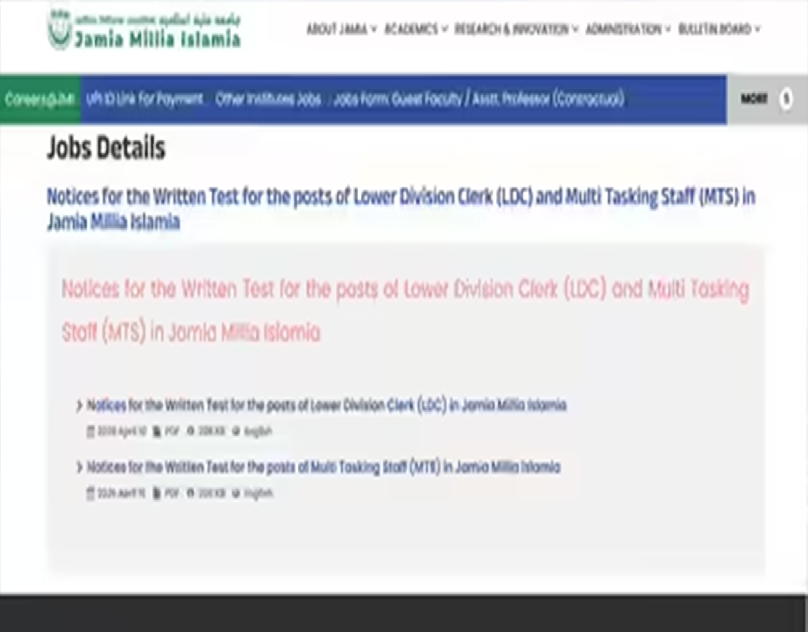
JMI Recruitment 2026 Exam Date Out for LDC, MTS Posts
Delhi JMI Recruitment 2026: Exam Schedule, Opportunities and What It Means for Aspirants
In a significant development for government job aspirants, Jamia Millia Islamia (JMI), Delhi, has announced the examination date for its much-anticipated recruitment drive for Lower Division Clerk (LDC) and Multi-Tasking Staff (MTS) positions. The written examination is scheduled for April 25, 2026, at the university campus, marking a crucial step in a process that has drawn considerable attention from candidates across the country. This announcement not only provides clarity to applicants who have been awaiting updates but also underscores the scale and importance of non-teaching recruitment in central universities.
Understanding the Recruitment Drive
The recruitment is being conducted under Advertisement No. 01/2025–26, which outlines vacancies across multiple administrative roles within the university. While the focus for many candidates remains on LDC and MTS posts, the broader recruitment exercise includes several other positions, reflecting the institution’s need to strengthen its administrative framework. With a total of over 140 vacancies across different cadres, the drive presents a substantial opportunity for candidates seeking stable and prestigious roles within the higher education sector. These positions form the backbone of university operations, ensuring that academic and administrative processes function efficiently.
Exam Date and Its Significance
The confirmation of April 25, 2026, as the examination date provides a definitive timeline for candidates to prepare. The exam will be conducted in a structured manner within the university premises in Delhi, ensuring a controlled and standardised testing environment. For aspirants, this date is more than just a schedule, it represents the culmination of months of preparation and anticipation. It also signals the transition from application to assessment, bringing candidates closer to potential employment.
Roles and Responsibilities: LDC and MTS
The two primary roles under discussion - Lower Division Clerk and Multi-Tasking Staffm serve distinct yet equally vital functions within the university system.
The LDC role typically involves clerical responsibilities such as data entry, record maintenance, correspondence and administrative support. Candidates applying for this position are expected to possess a graduate degree, along with typing proficiency and basic computer knowledge.
On the other hand, the MTS role is more operational in nature, requiring candidates to assist in routine tasks that ensure the smooth functioning of campus activities. The minimum qualification for this post is generally a Class 10 pass, making it accessible to a wider pool of applicants.
Together, these roles contribute significantly to the daily functioning of the university, highlighting the importance of efficient support staff in educational institutions.
Eligibility and Selection Process
The recruitment process is designed to be comprehensive, ensuring that candidates are evaluated on multiple parameters. The selection procedure primarily includes a written examination, followed by document verification and, where applicable, additional stages such as skill tests or interviews.
Candidates are provisionally allowed to appear for the written test, but they must ensure that they meet all eligibility criteria specified in the official notification. Failure to do so may result in disqualification at later stages of the process.
This structured approach ensures transparency and fairness, aligning with the standards expected from a central university recruitment process.
The Role of Admit Cards and Communication
An important aspect of the recruitment process is the issuance of admit cards, which will contain essential details such as roll numbers, examination venues and instructions. These are expected to be sent to candidates via email, along with SMS notifications. Candidates who do not receive their admit cards within the stipulated time frame are advised to contact the university authorities to avoid missing the examination. This highlights the importance of staying vigilant and proactive throughout the recruitment process.
Broader Context: Government Job Aspirations
The announcement of the exam date comes at a time when government job opportunities continue to attract a large number of applicants in India. Positions within central universities are particularly sought after due to their stability, structured career progression and association with reputed institutions. For many candidates, roles such as LDC and MTS serve as entry points into the public sector, offering not just employment but also long-term professional growth. The competitive nature of these examinations reflects the high demand for such opportunities.
Administrative Strength and Institutional Growth
From an institutional perspective, recruitment drives of this scale are essential for maintaining and enhancing administrative efficiency. Universities like JMI rely heavily on their non-teaching staff to support academic activities, manage resources and ensure smooth day-to-day operations. By filling these vacancies, the university aims to strengthen its administrative capacity, thereby improving overall institutional performance. This, in turn, contributes to a better experience for students, faculty and other stakeholders.
Preparing for the Examination
With the exam date now confirmed, candidates must focus on structured and strategic preparation. Understanding the exam pattern, revising key topics and practising previous question papers can significantly enhance performance. Time management and consistency will be critical in the final phase of preparation. Aspirants should also stay updated with official notifications to ensure they are aware of any changes or additional instructions.
Challenges and Considerations
While the recruitment drive offers significant opportunities, it also presents challenges. The high number of applicants means that competition is likely to be intense. Candidates must therefore approach the examination with diligence and a clear strategy. Additionally, ensuring compliance with eligibility criteria and documentation requirements is crucial to avoid complications during later stages of the selection process.
A Step Forward for Aspirants and Institutions
The announcement of the exam date for LDC and MTS posts at JMI represents an important milestone for both candidates and the institution. For aspirants, it is an opportunity to secure a position within a prestigious university. For JMI, it is a step towards strengthening its administrative framework and supporting its academic mission.
Conclusion
The JMI recruitment exam scheduled for April 25, 2026, is more than just a routine administrative exercise, it is a gateway to meaningful employment and institutional growth. As candidates prepare to appear for the examination, the focus will remain on diligence, preparation and adherence to guidelines. In a broader sense, this recruitment drive reflects the continuing relevance of public sector opportunities in India’s employment landscape. For those who succeed, it promises not only professional stability but also the chance to contribute to the functioning of one of the country’s most respected educational institutions.