JPSC Civil Services Prelims 2025: City Slip & Admit Card Dates
JPSC Civil Services Prelims 2025: City Intimation Slip and Admit Card Timeline Explained
In the highly competitive arena of civil services examinations, clarity of information is as crucial as preparation itself. The recent announcement by the Jharkhand Public Service Commission (JPSC) regarding the release of the city intimation slip and admit card for the Combined Civil Services Preliminary Examination 2025 marks a significant milestone in the examination cycle. For thousands of aspirants, these developments signal the transition from preparation to execution, a moment where months, if not years, of effort begin to crystallise.
A Critical Phase in the Examination Calendar
The JPSC Combined Civil Services Examination is among the most sought-after state-level recruitment processes in India. Conducted to fill prestigious administrative positions, it attracts candidates from diverse academic and professional backgrounds. With the preliminary examination scheduled for April 2026, the release of the city intimation slip on April 8 and the admit card on April 14 form a structured prelude to the examination day. This staggered release is not incidental; rather, it reflects a carefully calibrated approach to candidate facilitation. The city intimation slip provides advance information regarding the district or city of the examination centre, while the admit card offers comprehensive details, including the exact venue, timing and instructions.
Understanding the City Intimation Slip
The concept of a city intimation slip, though relatively recent in India’s examination ecosystem, has rapidly gained prominence. It serves as an early advisory, allowing candidates to plan logistics well in advance.
For the JPSC Civil Services Prelims 2025, the city intimation slip allows candidates to determine the location of their examination centre without disclosing the exact venue. This distinction is important. While the slip aids in travel planning, particularly for candidates assigned centres outside their home districts, it does not replace the admit card.
In practical terms, this means aspirants can arrange transportation, accommodation and other logistical necessities with greater certainty. In a country as geographically diverse as India, where examination centres may be located hundreds of kilometres away, such early information can significantly reduce stress and uncertainty.
Admit Card: The Definitive Document
If the city intimation slip is preparatory, the admit card is definitive. Scheduled for release on April 14, the admit card is the official document granting entry to the examination hall.
It contains critical details, including:
- Candidate’s name and roll number
- Examination date and shift timing
- Exact address of the examination centre
- Reporting time and entry instructions
- Examination guidelines and prohibited items
Without this document, candidates will not be permitted to appear for the examination under any circumstances.
The importance of verifying the details on the admit card cannot be overstated. Any discrepancy, be it in personal information or examination centre details, must be addressed immediately through official channels.
The Examination Context
The JPSC Civil Services Examination follows a three-stage selection process: Preliminary Examination, Main Examination and Interview. The preliminary stage serves as a screening test, designed to shortlist candidates for the more rigorous mains examination. For the 2025 cycle, the preliminary examination is expected to be conducted in April 2026, with multiple centres across Jharkhand. The scale of the examination necessitates meticulous planning on the part of both the organising body and the candidates.
Digital Access and Procedural Simplicity
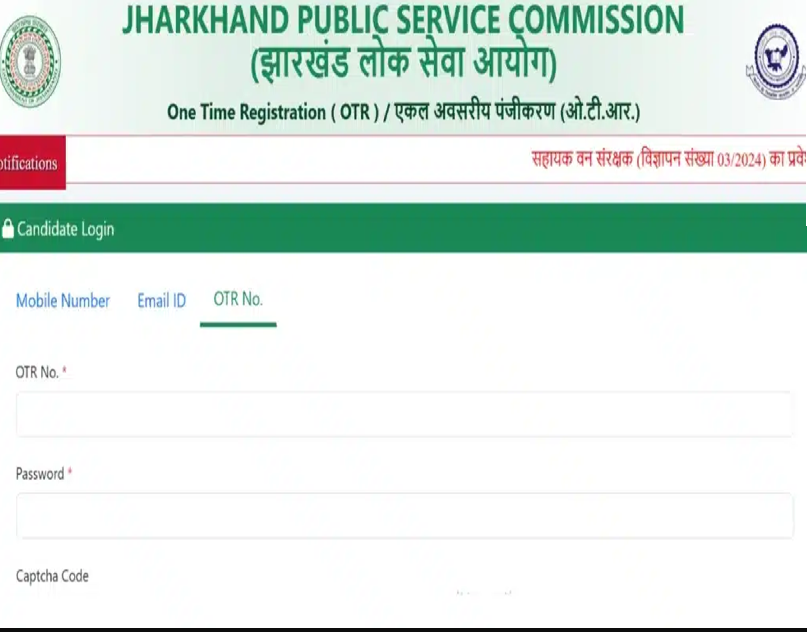
One of the defining features of modern recruitment processes is the shift towards digital accessibility. The JPSC has embraced this transition by ensuring that both the city intimation slip and admit card are available exclusively through its official portal.
Candidates are required to log in using their registration credentials, typically a registration number and date of birth, to access these documents. This system not only streamlines the process but also enhances transparency and security.
However, digital access also places a degree of responsibility on candidates. Ensuring stable internet connectivity, safeguarding login credentials and downloading documents in a timely manner are all essential steps in the process.
Why This Announcement Matters
At first glance, the release of a city intimation slip and admit card may appear routine. Yet, within the context of competitive examinations, these milestones carry considerable weight.
Firstly, they signal the culmination of the application phase and the imminent commencement of the examination. For aspirants, this often serves as a psychological turning point, a moment to shift from broad preparation to focused revision.
Secondly, the structured timeline reflects the commission's effort to enhance the candidate experience. By providing advance information and clear instructions, JPSC is reducing the scope for last-minute confusion.
Thirdly, the move aligns with broader trends in examination governance, where transparency, efficiency and candidate-centric approaches are increasingly prioritised.
Preparation Meets Logistics
While academic preparation remains paramount, logistical readiness is equally crucial. Together, the city intimation slip and admit card enable candidates to bridge this gap.
Travel arrangements must be finalised well in advance, particularly for those assigned to distant centres. Candidates should also familiarise themselves with the route to the examination venue to ensure punctual arrival on the day of the test.
Equally important is preparing the required documents. Alongside the admit card, candidates must carry a valid photo identification, such as an Aadhaar card, passport or driving licence, to the examination centre.
Failure to comply with these requirements can result in disqualification, regardless of a candidate’s level of preparation.
Exam-Day Protocol and Discipline
Civil services examinations are governed by strict protocols designed to ensure fairness and integrity. Candidates are expected to adhere to guidelines regarding reporting time, dress code and permissible items.
Electronic devices, including mobile phones and smartwatches, are typically prohibited within the examination hall. Any violation of these rules may lead to disciplinary action.
Moreover, candidates are advised to arrive at the venue well before the reporting time to allow for security checks and verification procedures. In high-stakes examinations, even minor delays can have significant consequences.
The Broader Significance
Beyond its immediate implications, the JPSC announcement reflects the evolving nature of public recruitment in India. The integration of digital tools, the emphasis on transparency and the focus on candidate convenience are indicative of a system in transition.
For aspirants, this evolution presents both opportunities and responsibilities. While access to information has become easier, the onus of staying informed and prepared rests firmly on the individual.
The civil services examination, after all, is not merely a test of knowledge; it is an assessment of discipline, adaptability and resilience.
A Moment of Transition
As the release of the city intimation slip and admit card draws near, candidates find themselves at a critical juncture. The months of preparation now converge into a narrow window of execution. This is a time for consolidation rather than expansion, revisiting key concepts, practising previous papers and refining examination strategies. Equally, it is a moment to ensure that all logistical and procedural requirements are meticulously addressed.
Conclusion
The announcement of the JPSC Civil Services Prelims 2025 city intimation slip and admit card dates marks a decisive step in the examination journey. It encapsulates the intersection of preparation, planning and performance. For candidates, the path ahead demands not only intellectual readiness but also organisational discipline. By leveraging the information provided and adhering to official guidelines, aspirants can approach the examination with confidence and clarity. In the final analysis, success in civil services examinations is as much about precision as it is about perseverance. With the right balance of preparation and planning, candidates can navigate this crucial phase with assurance, turning aspiration into achievement.