Mumbai Shuts 164 Unauthorised Schools, 80,000 Students Affected
Mumbai’s Crackdown on Unauthorised Schools: Regulation, Responsibility and the Future of 80,000 Students
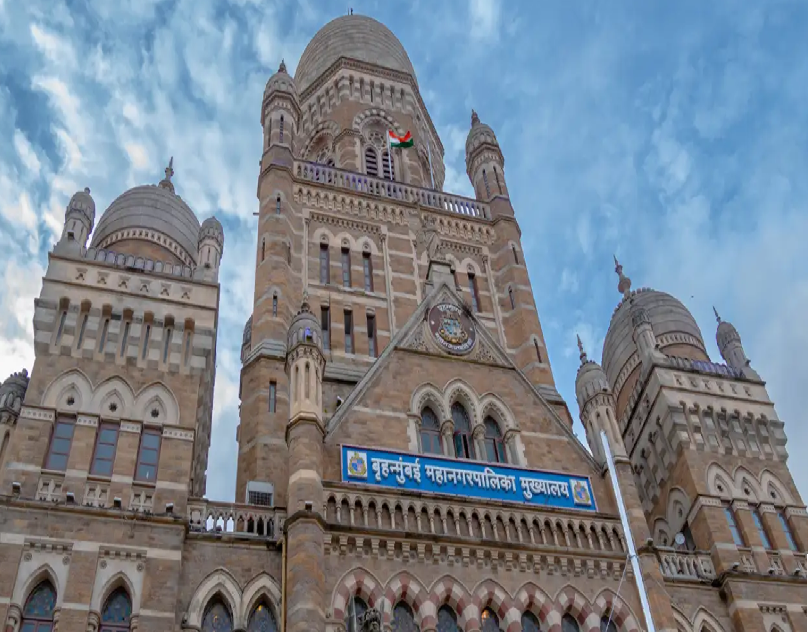
In a decisive move that has sent ripples across the city’s education landscape, the Brihanmumbai Municipal Corporation (BMC) has ordered the closure of 164 unauthorised schools operating within Mumbai. The directive, issued just ahead of the new academic session, is expected to affect tens of thousands of students, raising urgent questions about regulation, access, and the structural gaps in urban schooling. At its core, the decision underscores a long-standing tension within India’s education system: the balance between enforcing institutional standards and ensuring uninterrupted access to schooling, particularly for economically vulnerable communities.
The Crackdown: A Question of Legitimacy
The BMC’s order is rooted in a fundamental requirement: no school can operate without official recognition from the state government or the civic body. According to authorities, the 164 institutions identified were functioning in violation of this mandate, lacking the necessary approvals and failing to comply with prescribed norms.
Many of these schools had been operating for years, often in densely populated localities where demand for affordable education is high. However, their continued existence without formal recognition raised serious concerns about infrastructure, safety standards and the quality of education being delivered.
The move, therefore, is not merely administrative; it is an assertion of regulatory authority aimed at upholding minimum standards in education.
Scale of Impact: Students at the Centre
While the rationale behind the crackdown may be clear, its immediate consequences are far-reaching. Over 80,000 students are estimated to be affected by the closures, many of whom belong to underserved communities that rely on low-cost private schooling.
For these families, the closure of neighbourhood schools is not simply an institutional issue; it is a disruption to daily life. Questions arise around accessibility, affordability and the availability of seats in recognised schools.
Officials have sought to reassure stakeholders by stating that displaced students will be accommodated in nearby municipal or recognised private schools. However, the logistical complexity of relocating such a large number of students cannot be understated.
In areas already grappling with overcrowded classrooms and limited infrastructure, the sudden influx of new students presents a formidable challenge.
Why These Schools Existed
To understand the issue fully, it is essential to examine why unauthorised schools continue to operate in the first place. The answer lies in a combination of systemic gaps and socio-economic realities.
In rapidly expanding urban centres like Mumbai, the demand for schooling often outpaces the capacity of formal institutions. Informal or unrecognised schools emerge as a response to this demand, offering accessible and affordable options to families who may not have alternatives.
These institutions frequently operate in low-income neighbourhoods, where public schools may be limited or perceived to be inadequate. For many parents, the choice is not between a recognised and an unrecognised school; it is between some form of schooling and none at all.
This context complicates the narrative. While the lack of recognition is a serious concern, the existence of such schools also reflects deeper structural deficiencies within the education system.
Concerns Around Infrastructure and Quality
One of the primary reasons cited for the closure is the failure of these schools to meet basic infrastructural and regulatory requirements. Reports indicate that many lacked essential facilities such as adequate classrooms, open spaces and safety provisions.
In some cases, schools were operating in makeshift premises, including residential buildings or cramped spaces not designed for educational purposes. Such conditions raise legitimate concerns about the safety and well-being of students.
Moreover, the absence of formal recognition often correlates with a lack of oversight. Without regulatory monitoring, there is limited assurance regarding teacher qualifications, curriculum standards and overall academic quality.
From this perspective, the BMC’s action can be seen as an effort to protect students from substandard educational environments.
The Legal Framework
The closure directive is aligned with the provisions of the Right of Children to Free and Compulsory Education (RTE) Act, 2009, which mandates that all schools must obtain recognition to operate legally.
The Act establishes clear criteria for infrastructure, teacher qualifications, and student-teacher ratios, among other parameters. Schools that fail to meet these requirements are deemed non-compliant and are subject to closure.
The enforcement of these provisions is essential for maintaining uniform standards across the education system. However, the implementation of such measures must also account for their broader social impact.
Activist Concerns and Calls for Flexibility
The closure of 164 schools has not been without criticism. Activists and education advocates have raised concerns about the suddenness of the move and its potential consequences for students.
Some have called for an “amnesty window” that would allow unauthorised schools to regularise their status by meeting the required standards within a specified timeframe.
Such an approach, they argue, would strike a balance between regulatory enforcement and educational continuity. It would also provide institutions with an opportunity to improve infrastructure and compliance without abruptly displacing students.
Others have questioned how these schools were allowed to function for years without intervention, suggesting that the issue reflects systemic lapses in monitoring and governance.
The Challenge of Rehabilitation
Perhaps the most immediate concern is the rehabilitation of affected students. While the BMC has assured that no child will be denied admission, the practicalities of this promise remain complex.
Accommodating thousands of additional students may require measures such as double shifts, increased class sizes and the creation of additional divisions.
These solutions, while pragmatic, may place additional strain on already stretched resources. They also raise questions about the quality of education in receiving schools, which must now absorb a significantly larger student population.
Furthermore, differences in language medium, curriculum and teaching styles may pose adjustment challenges for students transitioning from one institution to another.
A Larger Systemic Issue
The situation in Mumbai is not an isolated phenomenon. Across Maharashtra, hundreds of unrecognised schools have been identified, highlighting a broader issue within the state’s education system.
This pattern points to systemic gaps in planning, regulation and capacity. The persistence of unauthorised schools suggests that existing mechanisms for monitoring and enforcement are either insufficient or inconsistently applied.
Addressing this issue requires more than periodic crackdowns. It calls for a comprehensive strategy that includes expanding access to quality education, strengthening regulatory frameworks and ensuring timely intervention.
Balancing Regulation and Access
The BMC’s decision brings into sharp focus a critical policy dilemma: how to enforce standards without compromising access.
On one hand, allowing unrecognised schools to operate undermines the integrity of the education system and exposes students to potential risks. On the other hand, abrupt closures can disrupt learning and place additional burdens on families.
A balanced approach would involve proactive identification of non-compliant institutions, coupled with support mechanisms to help them achieve compliance. It would also require investment in public education infrastructure to reduce reliance on informal alternatives.
The Way Forward
As Mumbai prepares for the new academic session, the focus must now shift from enforcement to resolution. Ensuring a smooth transition for affected students is paramount. This will require coordinated efforts between civic authorities, recognised schools, and community stakeholders. Transparent communication, timely admissions and adequate support systems will be essential in mitigating the impact of the closures. At a broader level, the episode should catalyse reform. Strengthening oversight, enhancing infrastructure and addressing socio-economic disparities are critical steps towards building a more equitable education system.
Conclusion
The closure of 164 unauthorised schools in Mumbai is a significant and complex development, one that reflects both the necessity of regulation and the realities of urban education. While the move aims to uphold standards and safeguard students, it also highlights the challenges of ensuring access in a rapidly growing city. The true measure of its success will lie not in the number of schools shut down, but in how effectively the system supports the students affected. In the end, education policy must remain anchored in a simple yet profound principle: every child deserves not only a seat in a classroom, but a safe, recognised and quality learning environment.