NEET-SS 2026 Exam Rescheduled to December 11–12
NEET-SS 2026 Rescheduled to December: What the Revised NBEMS Calendar Means for Aspirants
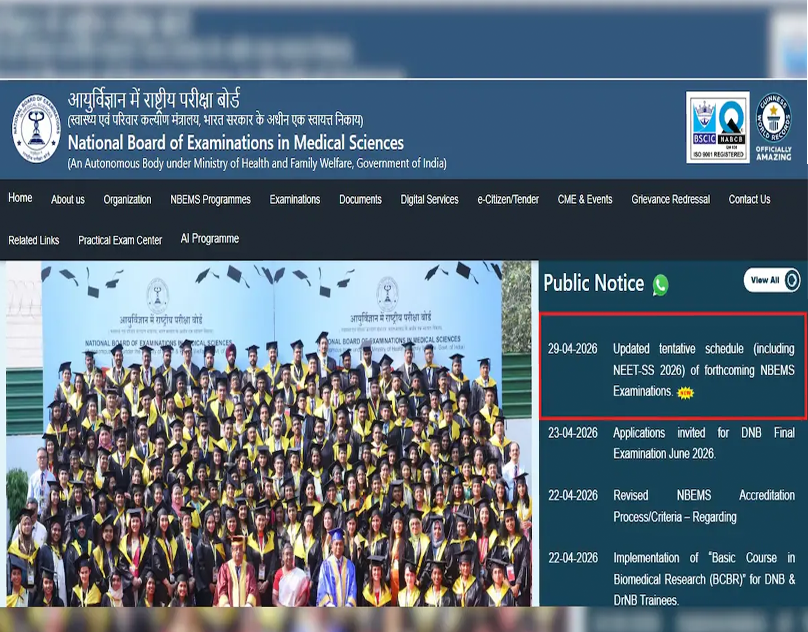
The National Board of Examinations in Medical Sciences (NBEMS) has unveiled a revised examination calendar for the 2026–27 academic cycle, bringing with it a significant update for aspirants of super-speciality medical education. Among the most notable changes is the rescheduling of the National Eligibility cum Entrance Test for Super Speciality (NEET-SS) 2026, which is now slated to be conducted on December 11 and 12.
This development marks an important recalibration in India’s medical examination ecosystem, offering both clarity and renewed direction for thousands of postgraduate doctors seeking admission into advanced super-speciality programmes such as DM (Doctorate of Medicine) and MCh (Master of Chirurgiae).
A Strategic Shift in the Examination Calendar
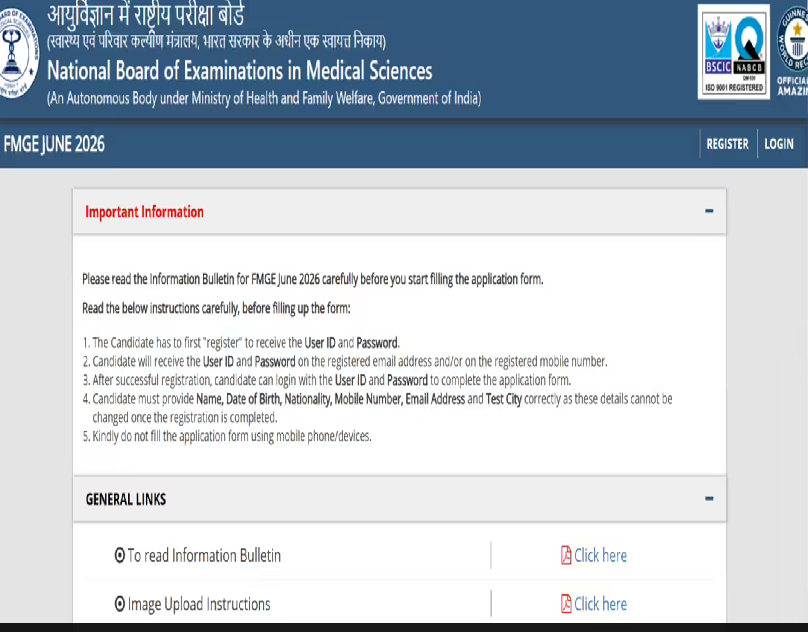
The revised schedule forms part of a broader restructuring exercise undertaken by NBEMS to streamline the conduct of its various examinations. These include not only NEET-SS but also other critical assessments such as NEET-PG, FMGE and final examinations for DNB and DrNB programmes.
Such recalibration is not merely administrative; it reflects a deeper attempt to create a more synchronised and predictable academic cycle. By clearly demarcating timelines, NBEMS aims to minimise overlaps, reduce uncertainty and provide aspirants with a coherent roadmap for preparation.
The decision to position NEET-SS in December, towards the latter half of the academic year, appears to be a deliberate effort to align it more effectively with postgraduate training cycles and institutional admission timelines. This, in turn, could lead to smoother transitions from qualification to specialisation.
Understanding NEET-SS: A Gateway to Advanced Medical Expertise
NEET-SS occupies a distinct and critical position within India’s medical education framework. Unlike NEET-UG and NEET-PG, which cater to undergraduate and postgraduate admissions, respectively, NEET-SS is specifically designed for candidates aspiring to pursue super-speciality courses.
These programmes represent the pinnacle of clinical training, focusing on highly specialised domains such as cardiology, neurology, oncology and gastroenterology. Admission into these courses is intensely competitive, requiring not only a strong academic foundation but also a deep commitment to specialised medical practice.
The examination itself is conducted in a computer-based format and typically spans multiple groups, allowing candidates to be assessed according to their chosen speciality streams.
Given its significance, even minor changes in the NEET-SS schedule can have far-reaching implications for aspirants, medical institutions and the broader healthcare ecosystem.
Why the Rescheduling Matters
At first glance, a shift in examination dates may appear routine. However, in the context of NEET-SS, the implications are multifaceted.
1. Enhanced Preparation Window
The December schedule offers candidates additional time to consolidate their preparation. For many postgraduate doctors who balance clinical responsibilities with academic commitments, this extended timeline can prove invaluable.
2. Improved Academic Alignment
By repositioning NEET-SS within the academic calendar, NBEMS is likely seeking to ensure better synchronisation with course commencement schedules. This reduces delays between examination results and admission processes, ultimately benefiting both students and institutions.
3. Reduced Logistical Overlap
The revised calendar also helps avoid clashes with other major examinations conducted by NBEMS. A more staggered schedule ensures smoother administrative execution and reduces stress on candidates appearing for multiple exams.
Eligibility and Key Considerations
While the revised dates provide clarity, aspirants must also remain attentive to eligibility requirements and procedural updates.
To appear for NEET-SS 2026, candidates are required to possess a recognised postgraduate medical qualification such as MD, MS or DNB (or an equivalent degree) by the stipulated cut-off date. For the 2026 cycle, this cut-off has been indicated as January 31, 2027.
This requirement underscores the importance of the timely completion of postgraduate training, as eligibility is strictly tied to academic milestones.
Additionally, NBEMS is expected to release a detailed information bulletin outlining application procedures, examination patterns and counselling processes. Aspirants are advised to monitor official announcements closely to avoid missing critical deadlines.
The Broader Context: Reforming Medical Assessments
The rescheduling of NEET-SS must also be viewed within the broader context of ongoing reforms in India’s medical education system. Over the past decade, there has been a concerted effort to standardise entrance examinations, enhance transparency and improve the overall quality of medical training.
As a key regulatory body, NBEMS has played a central role in this transformation. By periodically revising examination schedules and processes, it seeks to respond to evolving academic needs and systemic challenges.
The updated calendar for 2026-27 reflects this adaptive approach. It signals a willingness to recalibrate existing structures to better serve both aspirants and institutions.
Implications for Aspirants: Navigating the New Timeline
For candidates preparing for NEET-SS 2026, the revised schedule necessitates a recalibration of study strategies.
Structured Preparation Planning
With the examination now scheduled for December, aspirants can adopt a more phased approach to preparation. This includes dedicating initial months to conceptual clarity, followed by intensive revision and practice in the latter stages.
Balancing Clinical Duties
Many NEET-SS aspirants are practising doctors. The extended timeline allows for better integration of clinical responsibilities with academic preparation, reducing burnout and enhancing efficiency.
Staying Updated
Given that the announced dates are tentative, candidates must remain vigilant for further updates. Official notifications from NBEMS will provide definitive timelines for applications, admit cards and examination protocols.
Institutional Impact and Healthcare Outcomes
Beyond individual aspirants, the revised NEET-SS schedule also holds implications for medical institutions and the healthcare system at large.
Timely conduct of entrance examinations and admissions ensures that super-speciality training programmes commence without delay. This, in turn, contributes to the steady production of highly skilled specialists, an essential requirement for addressing complex healthcare challenges in India.
Moreover, a well-structured examination calendar enhances institutional planning, enabling colleges and hospitals to allocate resources more effectively and maintain academic continuity.
Looking Ahead
The announcement of the NEET-SS 2026 examination dates marks a crucial step towards greater clarity and organisation within India’s medical education framework. While the revised schedule provides a clearer roadmap, it also places the onus on aspirants to adapt their preparation strategies accordingly. As the December examination window approaches, the coming months will be pivotal for candidates aiming to secure a place in the country’s most prestigious super-speciality programmes. With disciplined preparation, timely awareness, and strategic planning, aspirants can make the most of the extended timeline. Ultimately, the rescheduling of NEET-SS 2026 is more than a mere administrative update; it is a reflection of an evolving system striving to balance rigour, accessibility and efficiency in shaping the future of medical education in India.