NEET to Shift to CBT Mode From 2027, Announces Government
NEET’s Shift to CBT Mode Marks a Turning Point in India’s Examination System
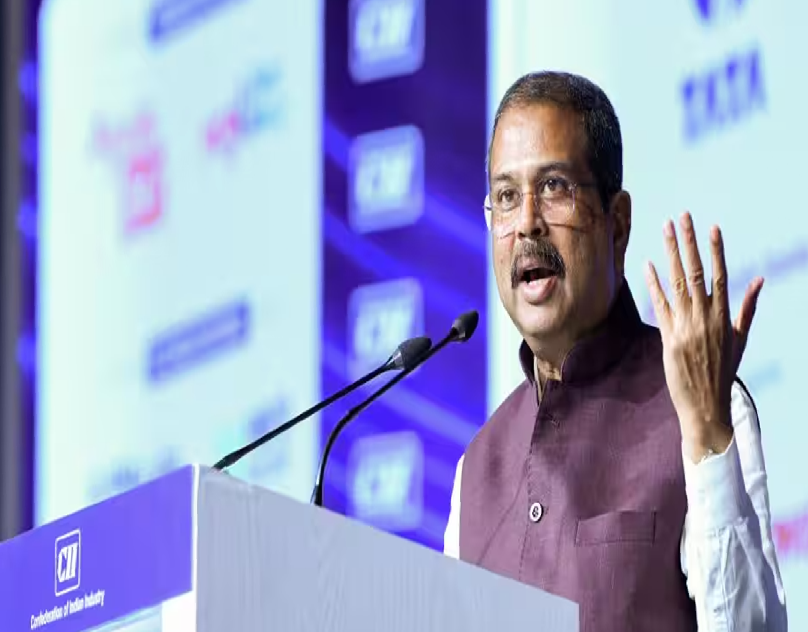
India’s most significant medical entrance examination is set for a structural transformation. Union Education Minister Dharmendra Pradhan has announced that from next year onwards, the National Eligibility cum Entrance Test (NEET) will be conducted in Computer-Based Test (CBT) mode, signalling one of the most consequential reforms in the country’s examination ecosystem in recent years.
The decision arrives in the shadow of mounting controversy surrounding the NEET-UG 2026 examination, which was cancelled following allegations of paper leaks and examination irregularities. The National Testing Agency (NTA), acting with government approval, announced the cancellation after investigative inputs suggested that the integrity of the examination process had been compromised.
For millions of aspirants and their families, the announcement represents far more than a technical change in examination delivery. It reflects a broader attempt to restore public trust in high-stakes competitive examinations, modernise assessment systems and address persistent vulnerabilities that have plagued India’s paper-based testing model.
The Context Behind the Decision
NEET is among the largest entrance examinations in the world. Each year, more than 22 lakh students compete for a limited number of medical seats across government and private institutions in India. The sheer scale of the examination makes it an immense logistical undertaking.
The 2026 edition, however, became embroiled in controversy after allegations emerged regarding question paper leaks and organised malpractice. The NTA subsequently cancelled the examination and ordered a re-test, while the Central Bureau of Investigation initiated a comprehensive probe into the matter.
The fallout triggered widespread anger among students, parents, and educators. Many aspirants who had spent years preparing for the examination suddenly faced uncertainty, emotional exhaustion and the prospect of appearing again for one of the country’s most demanding tests.
Against this backdrop, the government’s decision to transition NEET into CBT mode appears to be part of a larger effort to strengthen examination security and reduce opportunities for paper-based manipulation.
Why CBT Is Being Viewed as a Safer Alternative
Computer-Based Testing has long been regarded as more secure than traditional pen-and-paper examinations. Unlike physical question papers, digital examinations significantly reduce the risks associated with printing, transportation, storage, and distribution.
Experts have repeatedly argued that CBT systems minimise human intervention and allow encrypted question delivery through secure digital networks. According to reports, education experts and NTA officials have previously recommended moving NEET online precisely because it would make paper leaks considerably more difficult.
The NTA already conducts several major examinations in CBT format, including the Joint Entrance Examination (JEE) Main and various postgraduate entrance tests. These examinations operate through multi-shift systems supported by score normalisation mechanisms.
The transition of NEET to CBT mode, therefore, reflects not merely an emergency response to recent controversies but also a continuation of a longer institutional debate regarding the future of large-scale examinations in India.
The Challenge of Scale
While the decision may appear straightforward in principle, executing it will be exceptionally complex.
The principal challenge lies in the enormous number of NEET candidates. Reports suggest that accommodating over 22 lakh students in CBT format could require nearly 20 examination shifts nationwide.
Such a model introduces logistical and academic concerns. Multiple shifts necessitate different question papers for different batches of candidates. This, in turn, raises questions about fairness and score comparability.
To address these concerns, agencies typically employ score normalisation systems that adjust marks based on the relative difficulty of different shifts. However, critics argue that normalisation can itself become contentious, particularly in an examination as competitive and emotionally charged as NEET.
The Health Ministry has reportedly maintained that if NEET is conducted online, it should ideally occur in a single shift to avoid disputes over question difficulty and standardisation.
Consequently, the government’s announcement may be only the beginning of a much larger operational exercise involving infrastructure expansion, technological upgrades and policy coordination between the Ministry of Education, the Ministry of Health, the NTA and the National Medical Commission.
Infrastructure Limitations and Digital Readiness
India’s digital infrastructure has expanded rapidly over the past decade, yet disparities remain substantial, particularly in rural and semi-urban regions.
A nationwide CBT-based NEET examination would require thousands of secure computer centres equipped with stable electricity, reliable internet connectivity, biometric verification systems, surveillance mechanisms and trained personnel.
Ensuring uniform testing conditions across geographically diverse centres will be crucial. Even minor technical disruptions could trigger litigation, confusion or allegations of inequity.
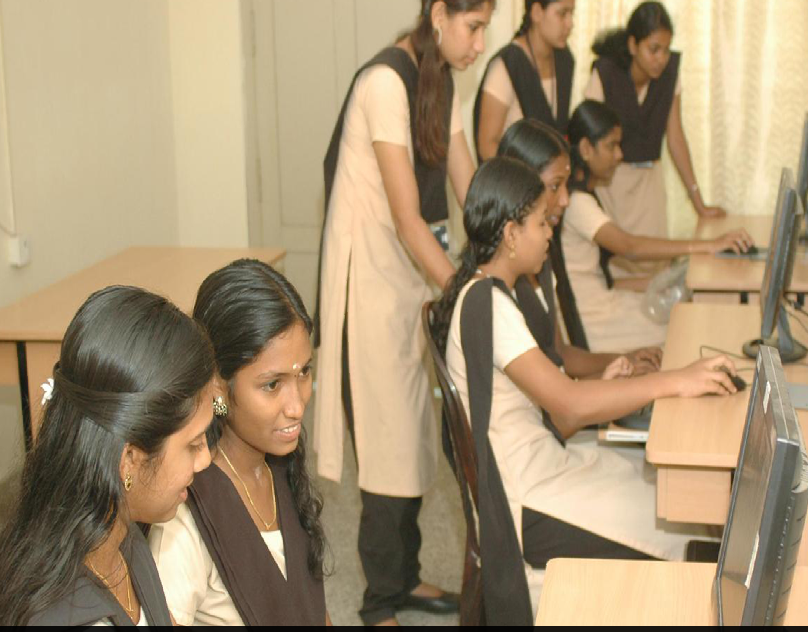
The digital divide also remains an important concern. While urban students often possess familiarity with online examinations, many aspirants from rural backgrounds continue to rely primarily on conventional classroom learning and paper-based practice methods.
For these students, the shift to CBT could initially appear intimidating.
This means coaching institutions, schools, and educational platforms will likely need to recalibrate their preparation strategies. Mock tests, adaptive practice software, digital time management and computer familiarity sessions may soon become central components of NEET preparation.
Psychological Impact on Students
The recent NEET controversy has once again highlighted the intense psychological pressure associated with competitive examinations in India.
Students invest years preparing for NEET, often sacrificing social life, leisure, and emotional well-being in pursuit of medical admissions. When examination integrity comes into question, the emotional consequences can be severe.
Following the cancellation of NEET 2026, many students publicly expressed frustration and fatigue, describing the decision as emotionally devastating despite understanding the need for fairness.
The shift to CBT mode could help rebuild confidence if implemented effectively. A transparent, technologically secure system may reassure candidates that merit, rather than manipulation, determines outcomes.
However, confidence will depend less on the announcement itself and more on execution. Students will expect not only security but also clarity, consistency and technical reliability.
A Larger Debate About India’s Examination Culture
The NEET controversy has revived broader national conversations about examination reform in India.
Over the past several years, repeated allegations involving leaks, impersonation rackets and procedural irregularities have affected multiple competitive examinations. Critics argue that the current examination structure places excessive pressure on single high-stakes tests while simultaneously remaining vulnerable to systemic failures.
The transition towards digital assessments may therefore represent a wider institutional shift rather than an isolated policy decision.
Yet technology alone cannot solve structural problems. Digital examinations require robust cybersecurity frameworks, transparent governance, independent oversight and efficient grievance redressal systems.
Without these safeguards, even technologically advanced systems may struggle to command public trust.
What the Future Could Look Like
If successfully implemented, CBT-based NEET examinations could eventually pave the way for faster result processing, enhanced security, reduced logistical costs and more flexible testing frameworks.
It may also encourage broader reforms in how large-scale competitive examinations are conceptualised and administered in India.
At the same time, policymakers will need to proceed carefully. Abrupt transitions without adequate infrastructure or student preparedness could create new inequalities even while attempting to solve existing ones.
The coming months are therefore likely to be crucial. Students, educators, policymakers and examination authorities will all be closely watching how the government converts this announcement into an operational reality.
For now, one thing is evident: the NEET examination system stands at a decisive crossroads. The shift to CBT mode is not merely a technical modification; it is an attempt to restore credibility to one of India’s most consequential academic gateways.