RTE Admissions Bhopal 2026: 40 Schools Report Zero Entries
RTE Admissions in Bhopal: When Opportunity Meets Absence
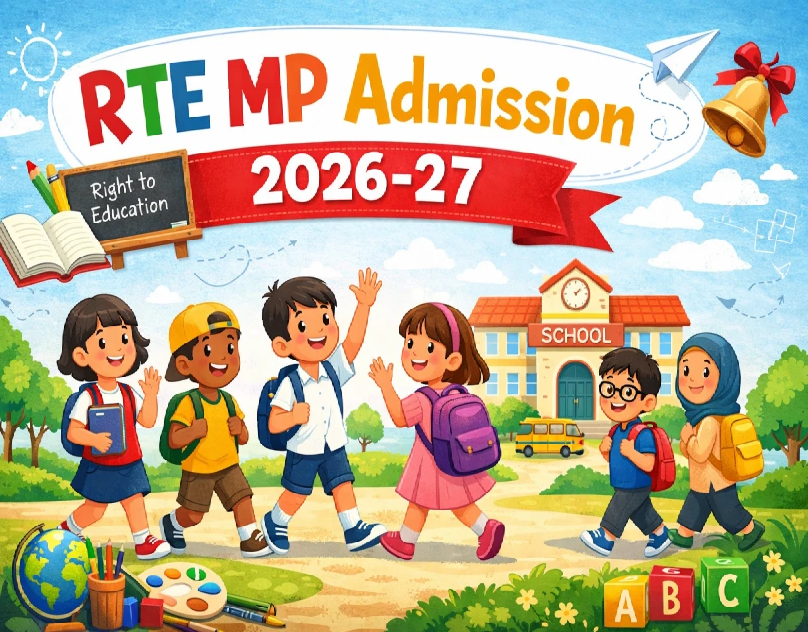
In a development that has sparked concern among educators and policymakers alike, nearly 40 prominent schools in Bhopal have reported zero admissions under the Right to Education (RTE) quota during the first phase of the 2026–27 admission cycle. The revelation, emerging at the close of the initial round on 15 April 2026, raises pressing questions about the implementation of one of India’s most significant educational equity legislation, the Right to Education Act. At its core, the RTE Act mandates that private unaided schools reserve 25 per cent of entry-level seats for children from economically weaker sections (EWS) and disadvantaged groups (DG). Yet, despite a seemingly robust framework and strong participation at the application stage, the absence of admissions in these schools exposes a troubling disconnect between policy intent and ground realities.
The Numbers Behind the Narrative
The first phase of RTE admissions in Madhya Pradesh paints a paradoxical picture. On one hand, the state witnessed significant engagement, with 178,714 children successfully verified during the application process. Of these, over 106,000 students were allotted seats through a computerised lottery system.
However, the situation in Bhopal stands in stark contrast. Around 40 well-known schools, many affiliated with CBSE and the state board, reported not a single confirmed admission under the RTE quota.
This is not merely a statistical anomaly; it is indicative of deeper systemic challenges that continue to hinder the realisation of inclusive education in urban India.
The “No-Show” Phenomenon: A Critical Bottleneck
One of the primary explanations offered for the zero-admission scenario is the widespread “no-show” of parents during the final admission formalities. Despite receiving SMS notifications and being allotted seats, many families did not complete document verification or school reporting procedures.
School authorities have largely attributed the empty seats to this lack of follow-through, maintaining that they did not obstruct admissions. From their perspective, the issue lies not in institutional resistance but in parental disengagement.
However, this explanation, while plausible, only scratches the surface. It prompts a more nuanced inquiry into why families who had already navigated the application process failed to take the final step.
Beyond Absenteeism: Structural and Social Barriers
The phenomenon of non-reporting cannot be viewed in isolation. Several underlying factors may contribute to this outcome:
1. Lack of Awareness and Guidance
For many first-generation learners and their families, the RTE admission process can be complex and intimidating. From online applications to document verification, the procedural demands may deter completion.
2. Logistical Constraints
Travel to designated schools, especially in urban settings, can pose challenges for economically disadvantaged families. Time, cost and accessibility all play a role in influencing participation.
3. Perception of Elite Institutions
The schools in question are described as “renowned” and often associated with high fees and competitive environments. It is conceivable that some parents feel apprehensive about enrolling their children in such institutions, fearing social or cultural mismatches.
4. Strategic Waiting
There is also evidence from other cities that parents may delay admissions in the hope of securing placements in more preferred schools during subsequent rounds. Taken together, these factors suggest that the issue is not merely one of absenteeism but of accessibility, perception and systemic support.
Government Response: Enforcement and Accountability
In response to the situation, the State Education Centre has taken a firm stance. Authorities have publicly released the list of schools with zero admissions and issued warnings of strict action against institutions that fail to comply with the RTE mandates.
Officials have emphasised that compliance is non-negotiable and have encouraged parents to report any instances of denial or delay in admissions. This dual approach, combining transparency with enforcement, signals the government’s intent to uphold the spirit of the RTE Act.
At the same time, it reflects an acknowledgement that accountability must extend to both schools and the administrative machinery overseeing the process.
The Second Phase: A Renewed Opportunity
With the first phase concluded, attention now turns to the second round of admissions, scheduled to commence after 20 April 2026.
This phase aims to fill the vacancies left unoccupied in the initial round, offering a second chance to eligible candidates. Parents can revisit the online portal, review available seats and update their school preferences.
For policymakers, this phase represents an opportunity to address the shortcomings of the first round by improving communication, simplifying procedures and providing targeted support to families.
The Broader Context: RTE in Practice
The challenges observed in Bhopal are not isolated. Across Madhya Pradesh, more than 1,200 private schools reportedly failed to meet the 25 per cent reservation requirement in the first phase.
This raises fundamental questions about the implementation of the RTE Act, particularly in urban centres where educational inequality often coexists with institutional abundance.
Interestingly, contrasting trends have been observed in other cities. In Indore, for instance, top-tier schools reported high occupancy of RTE seats, while smaller institutions struggled with vacancies.
Such disparities highlight the complex interplay of parental preferences, institutional reputation and systemic design.
The Promise of the RTE Act
Enacted in 2009, the Right to Education Act represents a landmark commitment to universal education in India. By mandating free and compulsory education for children aged 6 to 14, it seeks to bridge socio-economic divides and create a more equitable society.
A key provision of the Act is the 25 per cent reservation in private schools, designed to integrate children from diverse backgrounds into mainstream education. The government reimburses schools for these admissions, ensuring that financial considerations do not become a barrier.
In theory, this model promotes both access and inclusion. In practice, however, its success depends on effective implementation, awareness and collaboration among stakeholders.
Bridging the Gap: What Needs to Change
The events in Bhopal underscore the need for a more holistic approach to RTE implementation. Several measures could help bridge the gap between policy and practice:
Strengthening Parent Outreach
Awareness campaigns must go beyond announcements, offering hands-on guidance through helplines, community centres and local outreach programmes.
Simplifying Procedures
Reducing bureaucratic complexity and ensuring user-friendly digital platforms can significantly improve participation rates.
Enhancing Monitoring Mechanisms
Regular audits and real-time tracking of admissions can help identify bottlenecks and ensure accountability.
Timely Reimbursements
Ensuring prompt financial reimbursements to schools can address institutional concerns and encourage compliance.
Building Inclusive School Environments
Efforts must also be made to foster a culture of inclusivity within schools, ensuring that RTE students feel welcomed and supported.
A Question of Equity and Intent
At its heart, the issue is not merely administrative but philosophical. The RTE Act is built on the premise that education is a fundamental right, not a privilege. The presence of vacant seats in elite schools, therefore, is not just a logistical concern; it is a reflection of unmet potential. It raises a critical question: can a policy designed to democratise education succeed without addressing the socio-cultural and systemic barriers that impede its implementation?
Conclusion: From Policy to Practice
The revelation that 40 schools in Bhopal recorded zero RTE admissions in the first phase is both a challenge and an opportunity. It highlights the gaps that persist in the system while also offering a chance to recalibrate strategies and strengthen implementation. As the second phase unfolds, the focus must shift from numbers to impact from allocation to actual enrolment. Only then can the vision of the Right to Education Act be fully realised. In the broader narrative of India’s educational journey, this moment serves as a reminder that access is only the first step. True inclusion requires sustained effort, collective responsibility and an unwavering commitment to equity. The empty seats in Bhopal’s classrooms are not just vacancies; they are opportunities waiting to be fulfilled.