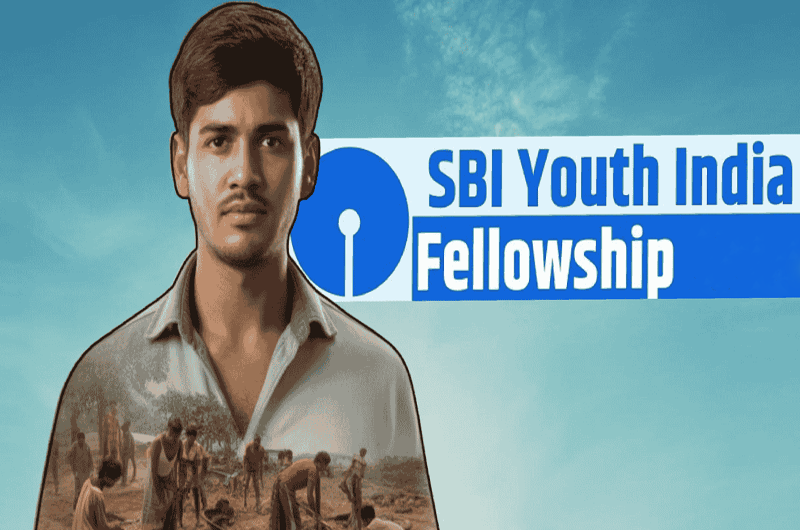
SBI Opens Registrations For Youth For India Fellowship 2026, Details Here
The SBI Foundation has officially opened registrations for the Youth for India Fellowship 2026, a flagship rural development initiative that continues to attract graduates eager to engage with grassroots challenges. Designed as a 13-month residential fellowship, the programme invites young professionals to immerse themselves in rural communities while contributing to sustainable development projects across India. The initiative has steadily gained recognition for nurturing socially conscious leaders and strengthening the interface between professional expertise and rural advancement.
At its core, the fellowship aims to provide a transformative experiential learning platform. Participants collaborate with partner non-governmental organisations to implement projects addressing real-world concerns in rural areas. These projects span diverse sectors including education, women’s empowerment, environmental sustainability, healthcare access, livelihoods development and rural technology innovation. By working directly with communities, fellows acquire insights that extend beyond academic knowledge, fostering empathy, adaptability and leadership capabilities essential for social impact careers.
Programme Structure and Objectives
The fellowship unfolds through a carefully structured journey that combines field immersion with continuous mentorship. Fellows typically reside within the communities they serve, enabling sustained engagement and deeper cultural understanding. This proximity allows them to identify local priorities, co-design solutions with stakeholders and evaluate outcomes in real time. Such experiential exposure often proves instrumental in shaping long-term professional aspirations aligned with social development. Beyond project implementation, the programme emphasises capacity building. Fellows participate in workshops, reflection sessions and leadership modules that refine communication, project management and analytical skills. The aim is not merely to execute short-term interventions but to cultivate individuals capable of influencing systemic change in the future.
Eligibility and Application Scope
The fellowship is open to graduates aged between 21 and 32 years. Indian citizens, Overseas Citizens of India, as well as citizens of neighbouring Bhutan and Nepal, are eligible to apply. This inclusive eligibility framework reflects the programme’s commitment to attracting diverse perspectives and interdisciplinary expertise. Applications must be submitted online through the official fellowship portal. The selection process generally involves multiple stages, including application review, interviews and assessment of candidates’ motivation to engage with rural development. Applicants are expected to demonstrate curiosity, adaptability and a genuine commitment to community engagement rather than purely academic excellence.
Development Focus Areas
Fellows engage in thematic sectors aligned with pressing developmental priorities:
- Education and Skill Development: Supporting schools, digital literacy initiatives and community education programmes.
- Women’s Empowerment: Promoting financial inclusion, entrepreneurship and social awareness.
- Environment and Sustainability: Addressing water conservation, renewable energy and ecological preservation.
- Livelihoods and Economic Development: Enhancing agricultural productivity, rural entrepreneurship and market linkages.
- Technology Integration: Deploying digital tools to improve service delivery and information access.
These focus areas allow fellows to apply academic expertise while adapting to local contexts, ensuring interventions remain relevant and culturally sensitive.
Legacy and Impact
Since its inception in 2011, the fellowship has witnessed significant participation. Over 700 fellows have reportedly worked across more than 250 villages, contributing to a broad spectrum of community-based initiatives. This sustained engagement underscores the programme’s evolving impact and its role in creating a network of socially committed professionals. Many alumni continue careers in development policy, social entrepreneurship, public administration and international organisations. The fellowship’s alumni network therefore constitutes a valuable resource for knowledge exchange and collaborative initiatives addressing rural challenges.
Institutional Collaborations
The programme collaborates with several reputed organisations and policy bodies, including NITI Aayog and UN Women. Such partnerships enhance the programme’s strategic reach, facilitate knowledge sharing and ensure alignment with broader development goals. These collaborations also expose fellows to policy frameworks and international development perspectives, enriching their professional outlook.
Experiential Learning in Rural Contexts
Living and working in rural settings presents both opportunities and challenges. Fellows encounter infrastructural constraints, cultural diversity and socio-economic complexities that demand resilience and adaptability. However, these experiences often become the most formative aspects of the fellowship, cultivating humility, problem-solving abilities and cross-cultural competence. Community engagement forms the cornerstone of the fellowship’s methodology. Rather than imposing external solutions, fellows are encouraged to adopt participatory approaches, ensuring local stakeholders actively shape project outcomes. This philosophy strengthens sustainability and fosters community ownership of development initiatives.
Professional and Personal Growth
The fellowship’s immersive structure frequently leads to profound personal transformation. Participants report enhanced leadership confidence, stronger communication skills and a clearer understanding of India’s developmental landscape. Exposure to grassroots realities often reshapes career trajectories, inspiring fellows to pursue roles in public service, research, education or social enterprise. From a professional standpoint, the fellowship offers a distinctive credential valued across sectors. Employers increasingly recognise the importance of experiential social engagement alongside academic qualifications. Consequently, alumni often leverage their fellowship experience to access diverse career pathways.
Application Considerations
Prospective applicants should carefully reflect on their motivation for joining the programme. Rural immersion demands flexibility, cultural sensitivity and a willingness to embrace unfamiliar environments. Candidates are encouraged to research development issues, understand the fellowship’s objectives and articulate their aspirations clearly during the application process. Preparation may include reviewing previous fellows’ projects, exploring rural development literature and engaging with social sector initiatives. Such groundwork can strengthen applications and enhance readiness for the fellowship’s demanding yet rewarding experience.
Broader Significance in India’s Development Landscape
Initiatives like the Youth for India Fellowship hold increasing relevance as India navigates complex development challenges. Rapid urbanisation, climate change, technological transformation and socio-economic disparities necessitate innovative, community-driven solutions. Fellowships that bridge academic expertise with grassroots engagement contribute meaningfully to this evolving landscape. By nurturing socially conscious leaders, the programme supports a broader ecosystem of development practitioners capable of addressing multifaceted challenges. Its emphasis on collaboration, empathy and sustainable solutions aligns with contemporary development paradigms prioritising inclusivity and resilience.
Looking Ahead
With registrations now open for the 2026 cohort, interest in the fellowship is expected to remain robust. The programme’s continued expansion reflects growing recognition of experiential learning as a powerful tool for leadership development and social transformation. Prospective candidates are advised to consult official fellowship channels for application deadlines, detailed eligibility criteria and programme updates. Staying informed ensures applicants can navigate the process effectively and maximise their chances of selection.
Conclusion
The Youth for India Fellowship 2026 represents more than a professional opportunity; it offers a platform for meaningful engagement with India’s rural realities. Through immersive fieldwork, structured mentorship and collaborative partnerships, the programme equips young graduates to contribute constructively to national development while shaping their own personal and professional trajectories. As India continues its journey towards inclusive growth, initiatives that cultivate socially aware leadership remain indispensable. The fellowship stands as a testament to how structured community engagement can inspire innovation, empathy and long-term commitment to societal progress.