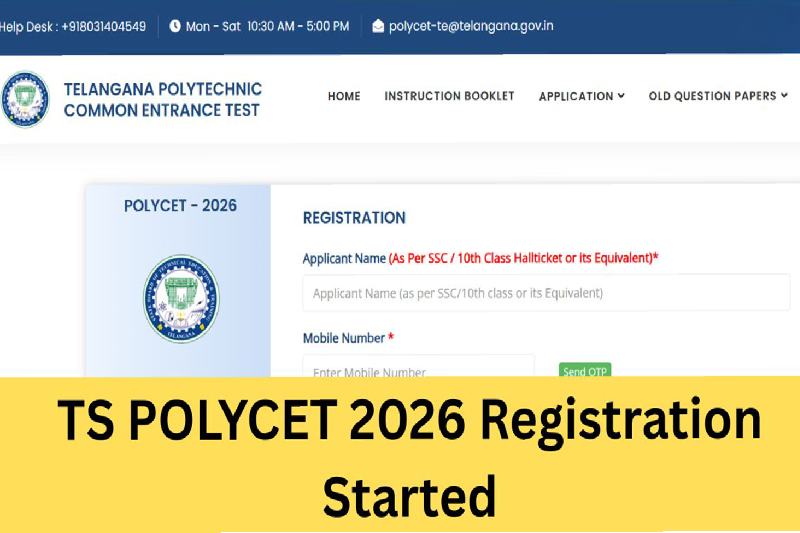
TS POLYCET 2026 Registration Opens: Expanding Pathways to Technical Education in Telangana
The commencement of registrations for TS POLYCET 2026 marks an important milestone for thousands of students aspiring to pursue diploma-level technical education in Telangana. Conducted by the State Board of Technical Education and Training (SBTET), the Telangana State Polytechnic Common Entrance Test serves as a gateway to diploma courses in engineering, agriculture and allied disciplines. With applications now open, the examination once again underscores the growing emphasis on skill-oriented education as a cornerstone of regional and national development.
Technical education at the diploma level has long provided an accessible and pragmatic pathway for students who wish to enter professional domains without necessarily pursuing traditional university degrees. In a rapidly evolving economy driven by technological advancement, infrastructure expansion and industry diversification, such programmes have assumed even greater relevance. The TS POLYCET examination, therefore, is not merely an entrance test; it represents opportunity, employability and the promise of professional growth for a new generation.
A Structured Admission Pathway
TS POLYCET facilitates admissions into polytechnic institutions across Telangana, offering students structured training in fields ranging from engineering disciplines to agriculture-related studies. These programmes emphasise practical skills, applied knowledge and industry alignment, making graduates well-equipped for technical roles or further academic progression.
The 2026 registration cycle continues this established framework. Eligible candidates, primarily those who have completed or are appearing for their Class 10 or SSC examinations can apply online within the stipulated timeframe. Such inclusivity ensures that students from diverse academic and socio-economic backgrounds can access technical education early in their academic journey.
The availability of diploma programmes immediately after secondary schooling offers several advantages. It reduces the time required to enter the workforce, lowers educational expenditure compared with longer degree courses, and enables students to develop specialised expertise at an earlier stage.
Examination Structure and Academic Focus
The TS POLYCET examination traditionally assesses candidates through multiple-choice questions covering Mathematics, Physics, Chemistry and Biology. This multidisciplinary structure reflects the foundational scientific knowledge required for technical education. Importantly, the examination is designed to test conceptual clarity rather than rote memorisation, encouraging students to cultivate analytical thinking and problem-solving skills.
Another notable feature is the absence of negative marking. This approach tends to reduce examination anxiety and encourages students to attempt questions with confidence, thereby providing a fairer assessment of their knowledge.
The examination’s relatively concise duration ensures efficiency while maintaining comprehensive coverage of essential subjects. Such an approach balances academic rigour with accessibility, allowing students from varying educational contexts to compete equitably.
Affordability and Accessibility
One of the defining strengths of diploma education in India, particularly within state-run systems, is affordability. Polytechnic education generally costs significantly less than conventional university programmes, making it an attractive option for families seeking quality education without prohibitive financial burdens.
Application fees for TS POLYCET remain modest, with concessions typically extended to students from historically disadvantaged communities. Such policies align with broader governmental efforts to enhance educational inclusivity and social mobility.
Affordability, however, extends beyond fees. Polytechnic institutions often provide practical training closely aligned with local industries, enabling graduates to secure employment relatively quickly. This pragmatic orientation ensures that education translates directly into livelihood opportunities.
Supporting Telangana’s Economic Growth
Telangana has emerged as a dynamic hub for technology, manufacturing, agriculture innovation and infrastructure development. From the IT corridors of Hyderabad to expanding agro-industrial clusters across the state, demand for technically skilled professionals continues to grow.
Diploma holders play a crucial role in this ecosystem. They serve as technicians, supervisors, junior engineers and skilled professionals across industries. By facilitating access to polytechnic education, the TS POLYCET examination contributes directly to workforce development and economic sustainability.
Moreover, technical diploma programmes often act as stepping stones to higher education. Many students later pursue engineering degrees through lateral entry schemes, combining practical experience with advanced academic qualifications.
The Digital Application Process
The shift towards fully online application procedures reflects broader trends in educational administration. Digital platforms streamline the application process, enhance transparency and reduce logistical challenges for candidates.
Prospective applicants must carefully complete their personal details, academic information and supporting documentation. Accuracy at this stage is essential, as discrepancies can complicate later admission procedures. The availability of clear guidelines and digital support resources has made the process considerably more user-friendly compared with earlier paper-based systems.
Nevertheless, digital accessibility remains uneven across regions. Ensuring that students from rural or economically disadvantaged backgrounds can access online application facilities remains a critical priority for policymakers.
Examination Timeline and Preparation
With the examination typically scheduled several months after registration, candidates have a defined preparation window. Effective preparation requires systematic revision of foundational science and mathematics concepts, regular practice through mock tests, and attention to time management.
Educational institutions, coaching centres and online learning platforms have increasingly begun offering preparatory resources tailored specifically to polytechnic entrance examinations. While such support can be beneficial, students are often advised to rely primarily on their school curricula, which form the basis of the examination syllabus.
Balanced preparation strategies combining conceptual study, practice testing and mental well-being tend to yield the best outcomes.
Post-Examination Counselling and Admission
Following the declaration of results, candidates typically participate in counselling sessions that determine seat allocation. These processes are usually merit-based, ensuring fairness and transparency in admissions.
Counselling also provides students with valuable information about course options, institutional strengths and career prospects. Making informed choices at this stage is essential, as diploma specialisations often shape subsequent career trajectories.
Institutions themselves have increasingly emphasised industry partnerships, internships and placement support. Such initiatives enhance the employability of diploma graduates and reinforce the practical orientation of technical education.
Challenges and Opportunities Ahead
While the TS POLYCET system has demonstrated effectiveness, several challenges persist. Rapid technological change demands continuous curriculum updates to ensure relevance. Institutions must invest in modern laboratories, industry collaborations and faculty development to keep pace with evolving professional requirements.
Additionally, awareness about diploma education remains uneven. Many students still perceive traditional degree pathways as inherently superior, despite the strong employability prospects associated with technical diplomas. Enhanced career counselling at the secondary school level could help address this perception gap.
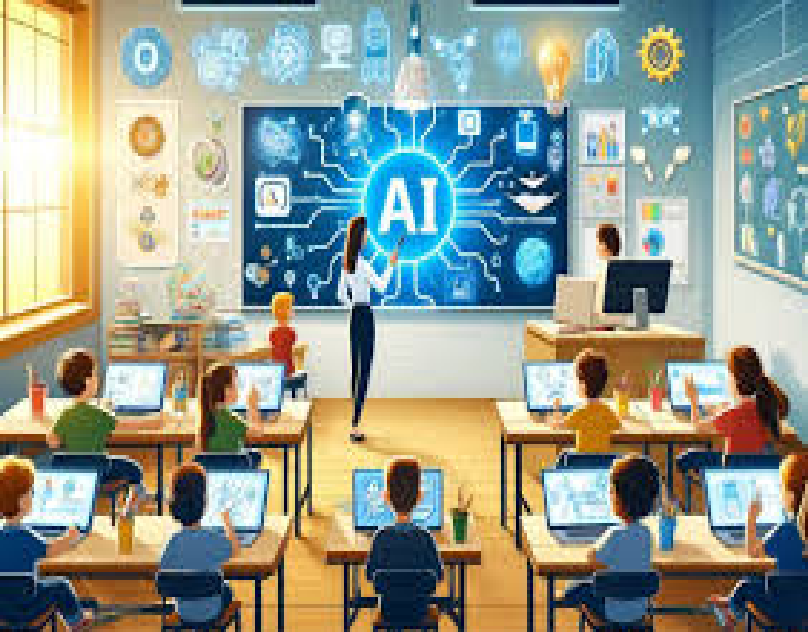
On the positive side, the integration of emerging technologies such as artificial intelligence, renewable energy systems and advanced manufacturing techniques into diploma curricula offers exciting possibilities. Such innovations can position diploma graduates at the forefront of technological transformation.
A Broader Educational Vision
The significance of TS POLYCET extends beyond Telangana. Across India, technical diploma education is increasingly recognised as a vital component of national skill development strategies. By equipping young people with practical competencies, such programmes contribute to economic resilience, innovation and social mobility.
As global labour markets evolve, the demand for technically proficient professionals is expected to grow. Examinations like TS POLYCET therefore play a pivotal role in preparing the workforce of the future.
Conclusion
The opening of TS POLYCET 2026 registrations represents more than an administrative announcement; it symbolises opportunity for countless students seeking meaningful educational and professional pathways. By facilitating access to affordable, skill-oriented technical education, the examination supports both individual aspirations and broader socio-economic development.
For prospective candidates, timely application, diligent preparation and informed decision-making will be essential. For policymakers and educators, continued investment in quality, accessibility and relevance will determine the long-term success of technical education initiatives.
In an era where practical skills increasingly complement academic knowledge, the TS POLYCET examination stands as a reminder that education must remain dynamic, inclusive and closely aligned with the realities of contemporary industry and society.