NEET-UG 2026 Leak Controversy Deepens as Doctors Demand Dissolution of NTA and NMC Bodies
Doctors’ Body Demands Dissolution of NTA and NMC Amid Deepening NEET-UG 2026 Leak Controversy
India’s already strained examination ecosystem has once again come under intense public scrutiny after fresh allegations surrounding the NEET-UG 2026 paper leak led to the cancellation of the country’s largest undergraduate medical entrance examination. Amid mounting criticism, the United Doctors Front (UDF) has now demanded the dissolution of both the National Testing Agency (NTA) and the National Medical Commission (NMC), accusing the authorities of repeatedly failing to ensure transparency, fairness and accountability in India’s medical admission framework.
The demand follows the unprecedented cancellation of NEET-UG 2026, which had originally been conducted on May 3 for lakhs of aspiring medical students across the country. The examination was later annulled after allegations surfaced that question papers had been leaked across multiple states before the test.
What initially appeared to be another isolated instance of examination malpractice has rapidly evolved into a broader national debate about institutional credibility, systemic loopholes and the growing influence of organised exam rackets within India’s competitive testing structure.
NEET-UG Cancellation Marks a Historic Moment
The cancellation of NEET-UG 2026 is being viewed as one of the most significant crises in the history of India’s medical entrance examination system. While previous years had witnessed allegations of irregularities and isolated cases of malpractice, the complete cancellation of the examination on grounds of compromised integrity has intensified concerns regarding the functioning of national examination bodies.
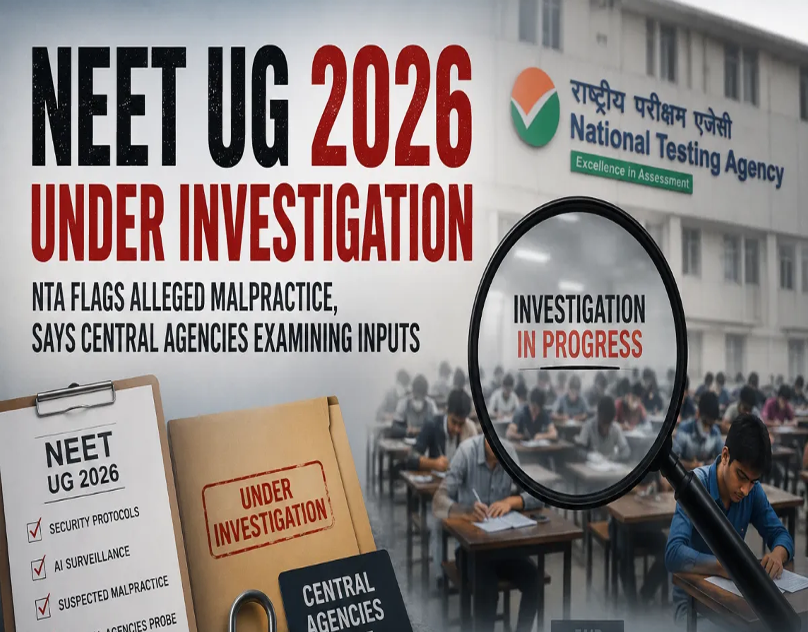
The NTA stated that the decision was taken following investigative findings shared by law enforcement agencies and central authorities, which suggested that the sanctity of the examination process had been severely compromised. The agency maintained that allowing the examination results to stand would have damaged public trust in the system even further.
According to reports, the leak allegedly involved the circulation of so-called “guess papers” containing questions that later matched substantial portions of the actual examination. Investigators are examining possible links between organised networks operating across Rajasthan, Haryana, Maharashtra and several other states.
United Doctors Front Intensifies Pressure on Authorities
Amid this escalating controversy, the United Doctors Front issued a strongly worded statement demanding the dissolution of both the NTA and the NMC. The organisation argued that repeated examination failures and administrative lapses had fundamentally eroded public confidence in the fairness of India’s medical admission process.
The doctors’ body accused the existing regulatory framework of failing to protect the interests of genuine aspirants who spend years preparing for one of the country’s most competitive examinations. It further alleged that recurring irregularities had transformed high-stakes examinations into systems vulnerable to manipulation, corruption and organised malpractice.
The controversy has particularly amplified frustration among medical aspirants and their families, many of whom have invested years of preparation, substantial financial resources and emotional energy into securing admission through NEET.
For students already navigating an intensely competitive academic environment, the cancellation of the examination has triggered widespread uncertainty regarding future timelines, admissions and emotional well-being.
CBI Probe Adds Seriousness to the Allegations
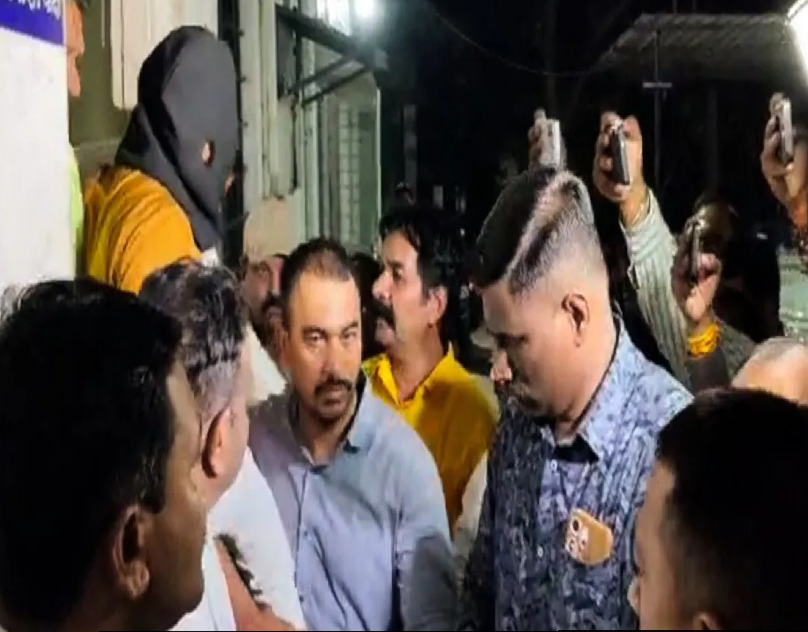
Recognising the scale and sensitivity of the matter, the Government of India has transferred the investigation to the Central Bureau of Investigation (CBI). The agency is currently probing allegations of organised paper leaks, interstate coordination and potential administrative negligence linked to the examination process.
Reports indicate that investigators are examining claims that leaked papers were distributed for amounts ranging from ₹10 lakh to ₹25 lakh through networks posing as “coaching” or “guess paper” providers. Some reports have also alleged that whistleblower warnings were communicated to authorities before the examination, but did not result in immediate intervention.
The involvement of central investigative agencies has transformed the issue from an educational controversy into a matter carrying wider political and institutional implications.
Public Trust in Competitive Examinations Under Strain
The NEET-UG controversy has reignited broader concerns surrounding the credibility of competitive examinations in India. Over the past several years, multiple national and state-level examinations have faced allegations of paper leaks, technical glitches, impersonation rackets and administrative irregularities.
Critics argue that repeated controversies point towards structural vulnerabilities rather than isolated failures. Educational experts have increasingly emphasised the need for stronger digital safeguards, enhanced cybersecurity systems, stricter examination protocols and independent oversight mechanisms.
The current situation has also revived scrutiny of earlier recommendations made by expert committees following previous examination controversies. Reports suggest that several proposed reforms aimed at strengthening examination security and institutional accountability remain only partially implemented.
For many observers, the present crisis reflects not simply a paper leak but a deeper governance challenge affecting the integrity of merit-based admissions in India.
Emotional and Psychological Toll on Aspirants
Beyond the political and administrative dimensions, the controversy has profoundly affected students preparing for medical admissions.
NEET remains one of the most demanding entrance examinations in the country, with millions of candidates competing for a limited number of medical seats. Preparation often involves years of intensive study, coaching classes, relocation and immense psychological pressure.
The cancellation of the examination has therefore generated widespread emotional distress among aspirants. Students who had completed the examination process are now faced with the uncertainty of re-examinations, delayed admissions and disrupted academic plans.
Several student groups and organisations have staged protests in different cities, demanding accountability from examination authorities and stronger safeguards to prevent future irregularities.
Educational psychologists often note that repeated disruptions within high-stakes examinations can have long-term mental health consequences for students already functioning under extreme competitive stress.
Medical Community Calls for Systemic Reform
The reaction from doctors’ associations and medical organisations suggests that dissatisfaction now extends well beyond student communities. Several groups have argued that compromised admission processes ultimately affect the quality and credibility of the medical profession itself.
The broader concern is that systemic failures within entrance examinations weaken public faith in meritocracy, a principle central to professional education systems.
Some medical bodies have also called for exemplary punishment against individuals found responsible for facilitating leaks, alongside institutional reforms aimed at restoring confidence in national examinations.
At the same time, experts caution that dissolving organisations such as the NTA and NMC would represent an extraordinary administrative step carrying significant operational implications. While public anger remains intense, structural reforms may ultimately require a combination of technological upgrades, independent oversight, administrative accountability and legal deterrence rather than institutional replacement alone.
Political Reactions Continue to Intensify
The controversy has also generated strong political reactions across party lines. Opposition leaders and student organisations have criticised the government’s handling of examination reforms and questioned why earlier warning signs were not addressed more decisively.
Simultaneously, several public figures have argued that recurring paper leaks reveal the emergence of sophisticated, organised networks operating within the examination ecosystem.
These developments have intensified pressure on educational authorities to deliver not only a transparent investigation but also a credible roadmap for future reforms.
What Happens Next for NEET Aspirants
The NTA has confirmed that NEET-UG 2026 will be re-conducted on fresh dates to be announced separately. Authorities have stated that candidates will not be required to submit fresh registrations or pay additional fees for the re-examination process.
However, uncertainty continues regarding revised examination schedules, admission timelines and counselling procedures.
For lakhs of aspirants, the immediate challenge now lies in sustaining preparation and emotional resilience while awaiting further announcements. The coming weeks are likely to determine not only the future of NEET-UG 2026 but also the credibility of India’s broader examination governance framework.
The current crisis has exposed the fragile relationship between institutional trust and competitive examinations in modern India. Whether the system emerges stronger from this controversy will depend largely on the transparency of the investigation, the seriousness of reforms undertaken and the willingness of authorities to address longstanding structural vulnerabilities rather than merely responding to public outrage in moments of crisis.